
How to Improve Machining Precision for Wind Turbine Main Bearings? A Complete Guide (1)
The wind energy sector is experiencing unprecedented growth. As wind turbines scale up—from 3MW onshore models to massive 15MW+ offshore behemoths—the components required to build them are becoming gigantic. At the heart of these turbines lies the wind turbine main bearing, a critical component that endures extreme axial and radial loads.
However, for machining manufacturers, producing these bearings presents a nightmare scenario: dealing with massive hardened steel workpieces while maintaining micron-level precision. Traditional horizontal lathes and outdated VTLs (Vertical Turning Lathes) simply cannot keep up with the demands for High Metal Removal Rates (MRR) without compromising geometric accuracy.
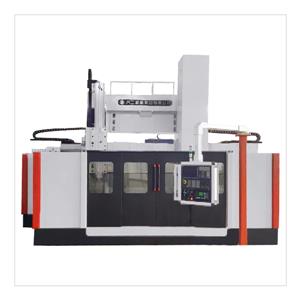
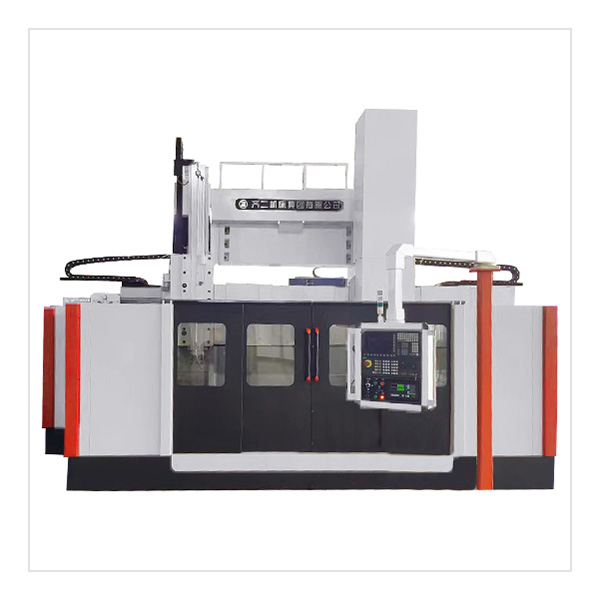
In this comprehensive guide, we will explore the core challenges of machining wind turbine main bearings, the reasons behind precision loss, and how integrating advanced industrial-grade Large-Scale CNC Vertical Lathes—such as those engineered by DALIAN WAJI—can revolutionize your production line.
Why Wind Turbine Main Bearings Demand Extreme Machining Precision
The High Cost of Bearing Failure in Offshore Wind Farms:
When a main bearing fails in an offshore wind turbine, the replacement process involves mobilizing specialized jack-up vessels and heavy-lift cranes. The cost of replacing a single failed bearing can easily exceed hundreds of thousands of dollars, not to mention the massive loss in energy generation downtime. This is why OEMs demand a lifespan of 20 to 25 years for main bearings.
Strict Technical Tolerances for Slewing Rings and Bearings
Wind turbine main bearings, typically made from high-strength forged steel (like 42CrMo4), require precision turning on both inner and outer raceways.
Runout Tolerances: Often need to be kept under a few microns.
Surface Finish (Ra): Must be flawless to prevent micro-cracking under heavy rolling contact fatigue.
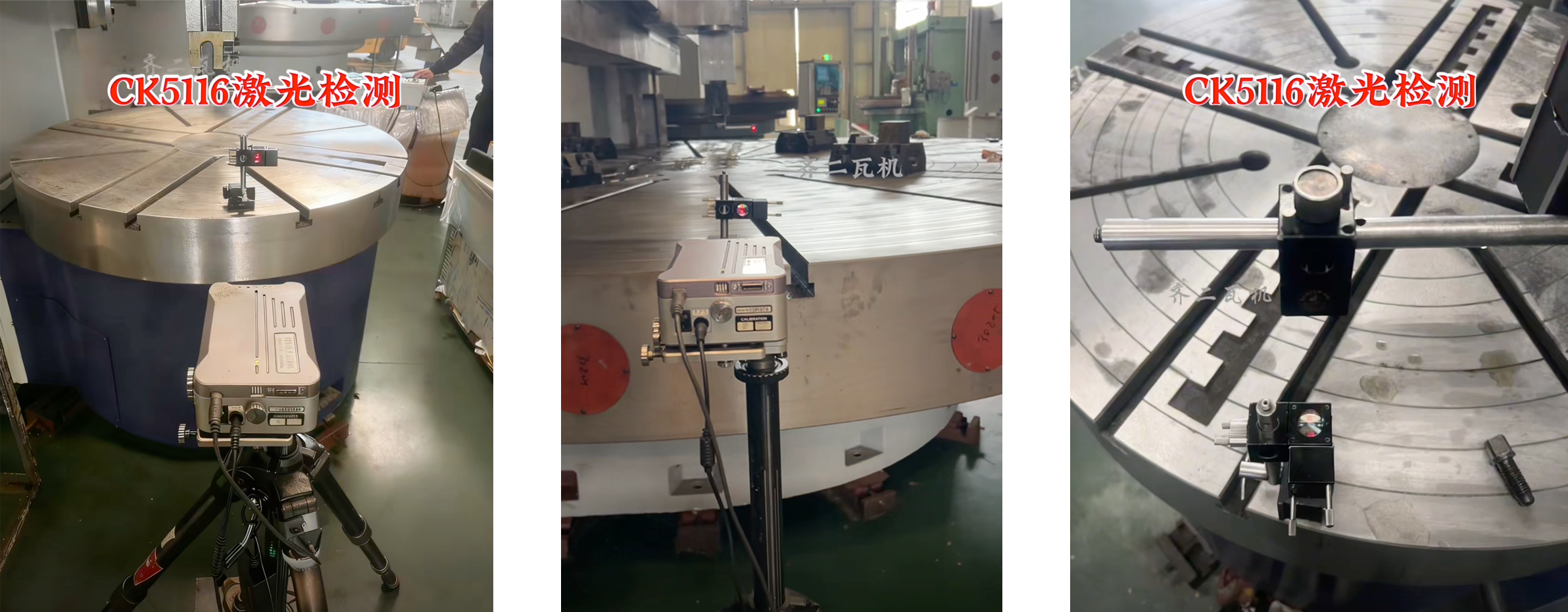
Achieving these tolerances on a workpiece that can weigh up to 20 tons and measure over 2,000mm in diameter is a true test of a machine tool's rigidity and dynamic stability.
Common Bottlenecks in Machining Large Wind Turbine Bearings.
Vibration and Chatter During Heavy-Duty Cutting
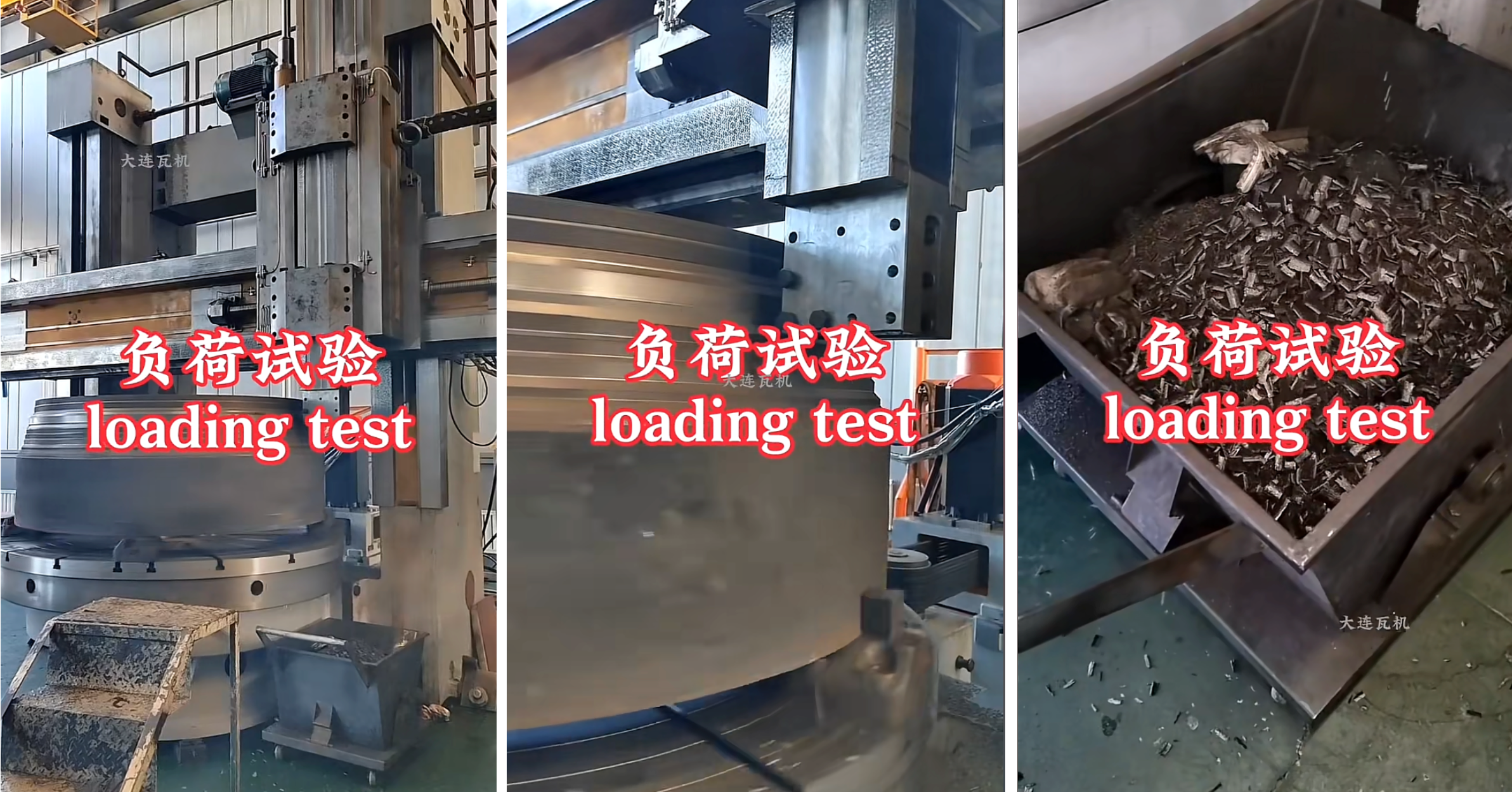
When performing intermittent cutting on forged steel rings, the cutting forces can fluctuate wildly. On standard machines, this leads to harmonic vibration (chatter). Chatter not only destroys the expensive carbide or CBN inserts but also leaves unacceptable marks on the bearing raceway, leading to scrap parts.
The Silent Killer: Thermal Deformation
In 24/7 heavy-duty turning operations, the friction between the cutting tool, the workpiece, and the machine's moving parts generates tremendous heat. Heat causes metal to expand. If the machine column or ram expands asymmetrically, the tool tip deviates from its programmed path. Over a 10-hour machining cycle, thermal drift can ruin the dimensional accuracy of a large bearing.
Rapid Tool Wear and Low MRR
Many job shops slow down their spindle speeds and reduce the depth of cut to prevent vibration and heat buildup. While this protects the workpiece, it drastically lowers the Metal Removal Rate (MRR), killing factory profitability.
Are vibration and thermal drift slowing down your production? [Click Here to Send Us Your Drawing], and our engineers will provide a free cycle-time estimation using our Heavy-Duty CNC VTLs.