
Machining Large Marine Propeller Flanges: Why You Need a Heavy-Duty VTL (1)
The Rising Demands of the Global Shipbuilding Industry
The global shipbuilding and marine engineering sector is undergoing a massive transformation in 2026. As cargo ships, oil tankers, and naval vessels become larger to achieve economies of scale, their propulsion systems and engine components must scale up accordingly.
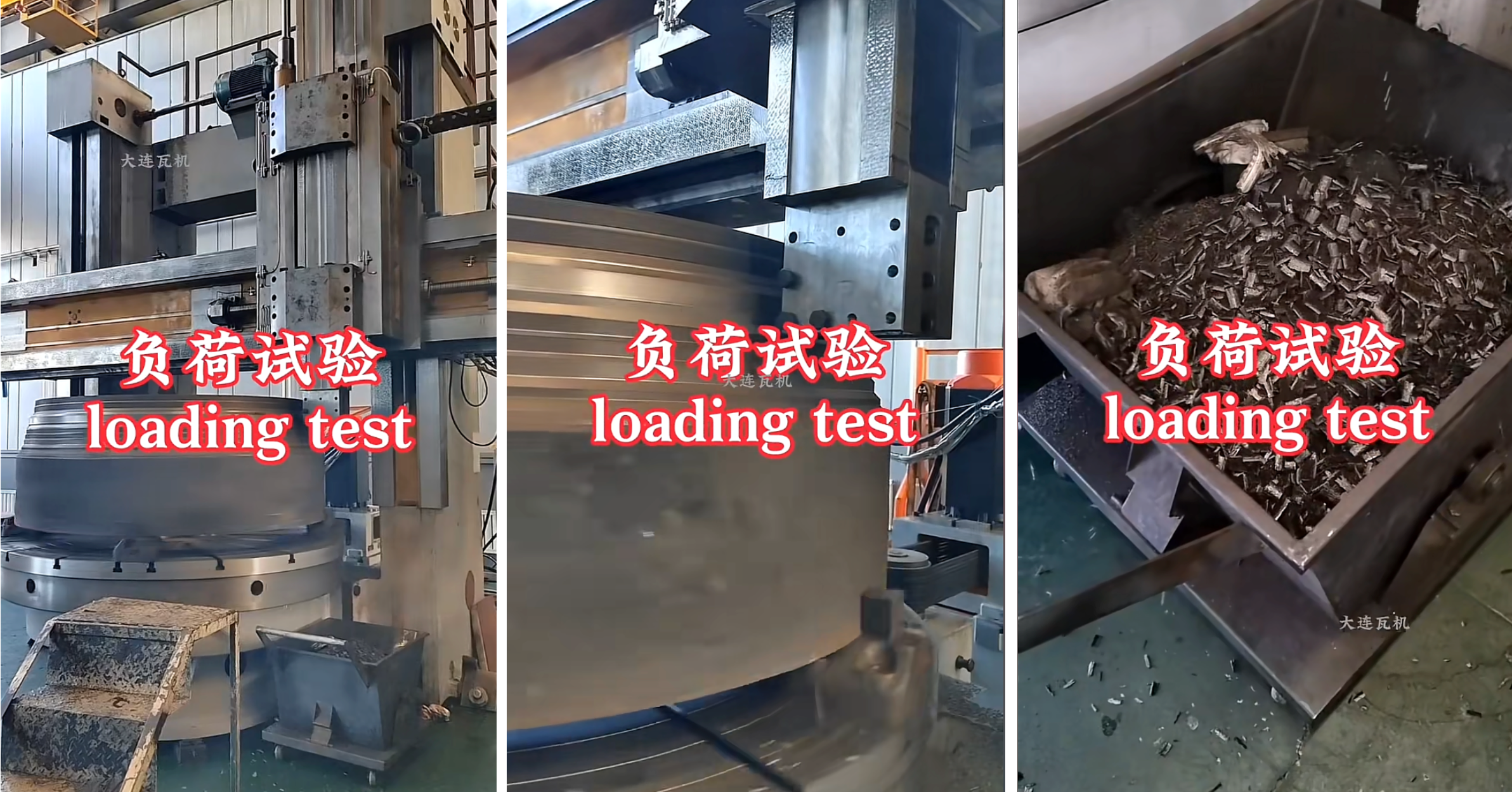
At the core of these propulsion systems are components like marine propeller flanges, diesel engine cylinder liners, and massive steering gear housings. These parts can easily weigh between 10 to 20 tons and measure over two meters in diameter. Machining these colossal workpieces presents a unique set of challenges: dealing with extremely tough, corrosion-resistant marine alloys, handling intermittent heavy-duty cutting, and managing immense volumes of metal chips.
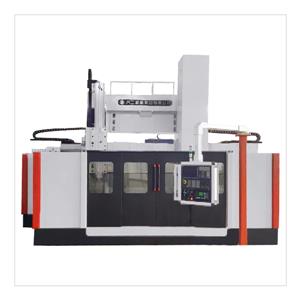
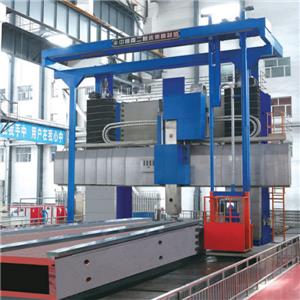
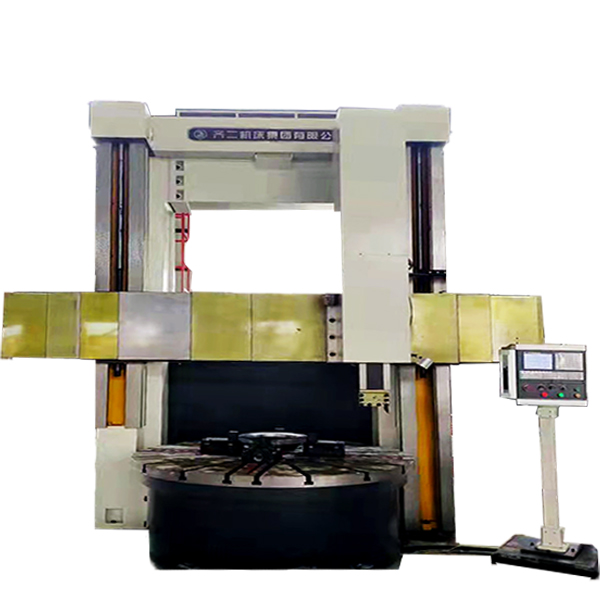
Attempting to machine these parts on standard horizontal lathes or light-duty vertical lathes often results in broken tools, stalled spindles, and unacceptable lead times. In this comprehensive technical guide, we will explore why upgrading to an Industrial-Grade Large-Scale CNC Vertical Lathe (VTL)—specifically engineered for heavy equipment manufacturing like the DALIAN WAJI CNC MACHINE series—is the ultimate solution to secure your shipyard's profitability and precision.
The Unique Challenges of Marine Engine and Propeller Components
Extreme Weight and Size Restraints
Marine components are characterized by their massive scale. A ship's propeller shaft flange or a heavy-duty rock crusher base for mining operations often exceeds 1,500mm in diameter. Loading a 15-ton asymmetric part horizontally is not only dangerous but puts devastating stress on a horizontal lathe's spindle bearings. Gravity works against you, causing the part to sag and destroying your micron-level tolerances.
Dimensional Stability Under Seawater Stresses
Parts used in marine environments endure relentless torsion, bending forces, and corrosive seawater conditions. Therefore, the mating surfaces of propeller flanges must have near-perfect flatness and runout tolerances to ensure watertight seals and vibration-free rotation. Any micro-error introduced during the machining phase can lead to catastrophic seal failure or propeller shaft misalignment while at sea.
Material Deep Dive: Turning High-Strength Marine Alloys
Machining Duplex Stainless Steel and Marine-Grade Bronze
Marine propeller flanges and diesel engine liners are typically forged from extreme-duty materials such as:
Duplex Stainless Steel (e.g., SAF 2507): Known for excellent corrosion resistance but notoriously difficult to machine due to its high tensile strength and tendency to generate excessive heat.
Nickel-Aluminum Bronze (NAB): Highly abrasive and prone to work hardening.
High-Alloy Cast Iron: Used for cylinder liners, requiring aggressive metal removal but often featuring hard spots that cause severe intermittent shock to the cutting tool.
The Problem of Work Hardening and Intermittent Cutting
When machining Duplex stainless steel or NAB on an underpowered machine, the tool often rubs against the material rather than cutting it cleanly. This causes work hardening—the surface of the metal becomes dramatically harder than the base material, destroying carbide inserts instantly.
To prevent this, you need aggressive, continuous feeds and deep depths of cut (Heavy-Duty Cutting). This requires a machine tool with immense structural rigidity and unstoppable torque.
Are your cutting tools wearing out too fast on tough marine alloys?
[Click Here to Speak with Our Engineering Team]
Let us evaluate your current machining strategy and demonstrate how our High-Torque VTLs can double your tool life!