Procurement Guide for Precision Lathe Machine: From Parameter Comparison to Actual Processing Capabilities
When purchasing large-scale processing equipment, the first question many people have is: Can this machine hold my workpieces? This issue is indeed important. But after the workpiece is placed on the workbench, the real trouble begins.
For buyers in industries such as bearings, gear blanks, valves, hydropower and wind power components, choosing a precision lathe machinecannot just look at the speed and stroke on the sample. What really affects the batch production pass rate and equipment return rate is whether the machine can remain stable during long-term operation. Buyers in mature markets know this truth very well.
What Are the Real Challenges in Processing Large Workpieces
When selecting models, many buyers will unconsciously compare current machines with older models they have used before. But the design ideas of these two types of machines are already different. The starting point of the design of old machines is that they "can turn". The current processing requirement is "able to continuously produce qualified products."
The rough surface of heavy castings often has hard skin, sand holes, or uneven margin. When the tool cuts these places, intermittent cutting will occur, causing severe vibration. This impact tests both tool life and machine tool rigidity. The processing of thin-walled rings is another situation. If the clamping force is too large, the workpiece will be deformed; if the cutting force is not well controlled, the processed size will be deviated. Therefore, the clamping plan and the tool path must be carefully designed. The essence of these problems is the same: precision lathe must be regarded as a complete processing system, not just as a large turntable.
The Most Easily Ignored Thermal Management Issue
When the machine is running for a long time, heat will be generated during the cutting process, bearings, and transmission system. These heat sources added together will make the temperature of various parts of the machine tool different. Different temperatures, different degrees of thermal expansion and contraction. Once the structure is deformed, the accuracy will deviate. Therefore, thermal management is an inseparable issue in large-scale precision machining.
A good precision lathe machine will take this issue into consideration more thoroughly when designing:
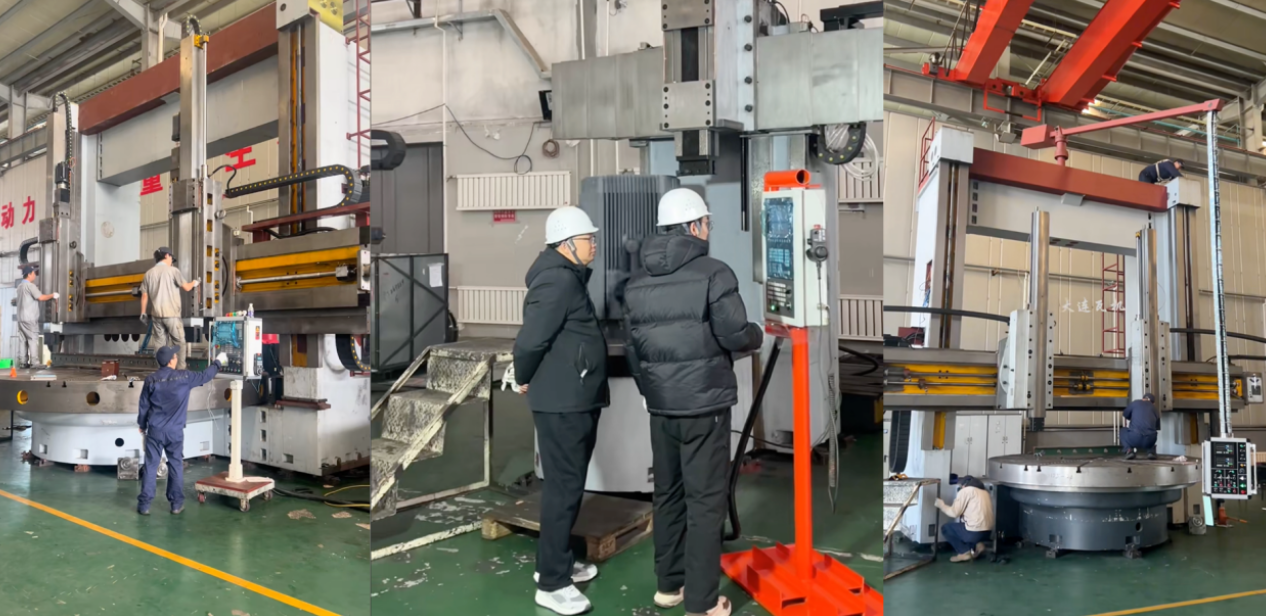
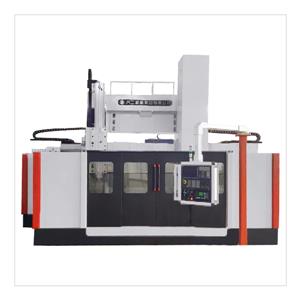
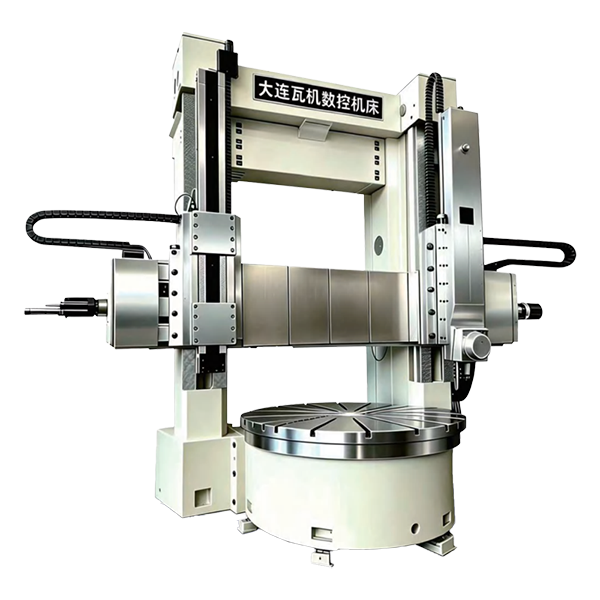
Structural thermal symmetrical design. To reduce the impact of thermal deformation on accuracy, we must find a way from the structural perspective. A precision lathe with a double-column symmetrical frame structure is symmetrical on the left and right sides, and the tool slides are also symmetrically arranged. In this way, even if it heats up, the deformation will be uniform and the impact on accuracy will be much less.
Lubrication and heat dissipation of guide rails. After the guide rail is heat treated, it is then trimmed by manual sc and grinding. This not only allows the contact surface to be more evenly distributed and the load bearing capacity is better, but also allows the lubricating oil to form a uniform oil film to dissipate the heat generated by friction. Only in this way can the accuracy be maintained.
Accuracy Retention Is a Key Indicator of Procurement Decisions
When purchasing equipment, how to judge whether a precision lathe machine is worth buying? The key depends on how long the accuracy can be maintained. It is accurate when you first turn on the machine, and many machines can do it. If it can remain stable after long-term continuous processing, then not everyone can do it. This must be supported by the rigidity of the machine tool and the temperature control system.
DALIAN WAJI CNC MACHINE CO., LTD's machine tools have made a lot of technical accumulation in double column structures, beam guide rails and ram rigidity. The guide rail is heat treated and then manually sc d. The workbench guide rail uses a constant flow hydrostatic guide rail. The purpose of making these details solid is to make the precision lathe a predictable and stable production tool, rather than a machine that requires frequent recalibration.
Procurement Evaluation Points
When evaluating large precision lathes, you can focus on these:
1. Thermal management solutions. How is the equipment designed to handle thermal deformation? Is there a symmetrical layout structurally?
2. Accuracy maintains evidence. Can the manufacturer provide measured accuracy data under long-term continuous processing conditions?
3. Structural rigidity. Is the double-column frame structure specially designed for heavy cutting conditions of large workpieces?
Choosing a precision lathe machine with excellent thermal stability and structural rigidity is not only about buying a machine, but also building a reliable quality defense line for the production of large precision components.
The material status, size range, tolerance requirements and production targets of each batch of workpieces are different. A configuration that suits others may not be the most suitable for your production scenario.
DALIAN WAJI CNC MACHINE CO., LTD's technical team can conduct detailed process evaluation based on the part drawings and processing requirements provided by you. Specifically, it includes: whether the workpiece is within the processing envelope of the machine tool, whether the workbench bears enough weight, whether the ram stroke can meet the processing requirements of deep holes or cavities, and how to choose a more reasonable CNC system and tool configuration.
If you are evaluating a procurement plan for large precision lathes, or if you have specific parts that need proofing and trial cutting, please communicate with our technical team. We will prepare targeted processing suggestions based on your actual workpiece.