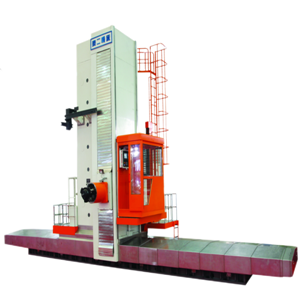
Stable Supply of Heavy-Duty Vertical CNC Machines: Fast Global Delivery(1)
In today's global manufacturing environment, equipment availability has become just as important as machining performance. For industries such as wind power, heavy equipment, shipbuilding, energy, mining, railway transportation, and large-scale mold manufacturing, project schedules often depend on whether heavy-duty machine tools can be delivered on time.
Unfortunately, many buyers are now facing increasingly long lead times. Traditional European and Japanese machine tool manufacturers frequently quote delivery schedules of 12 to 18 months, and sometimes even longer for customized heavy-duty vertical CNC machines. Supply chain disruptions, outsourced casting production, and limited manufacturing capacity have made procurement planning increasingly difficult.
For manufacturers operating under strict production deadlines, waiting more than a year for critical machining equipment can delay new production lines, postpone customer deliveries, increase operating costs, and ultimately reduce market competitiveness.
At DALIAN WAJI, we understand that reliable delivery is part of the machine's value. A high-performance vertical CNC lathe machine only creates value when it reaches your factory and begins producing parts on schedule.
Why Stable Supply Matters More Than Ever
Heavy-duty vertical CNC machines are not standard industrial equipment that can be shipped directly from inventory. Each machine requires extensive manufacturing, precision assembly, inspection, and transportation.
Large castings, guideway machining, spindle assembly, precision scraping, electrical integration, and final testing all require close coordination across multiple manufacturing stages. When suppliers depend heavily on outsourced casting factories or multiple subcontractors, production schedules can easily be affected by external factors.
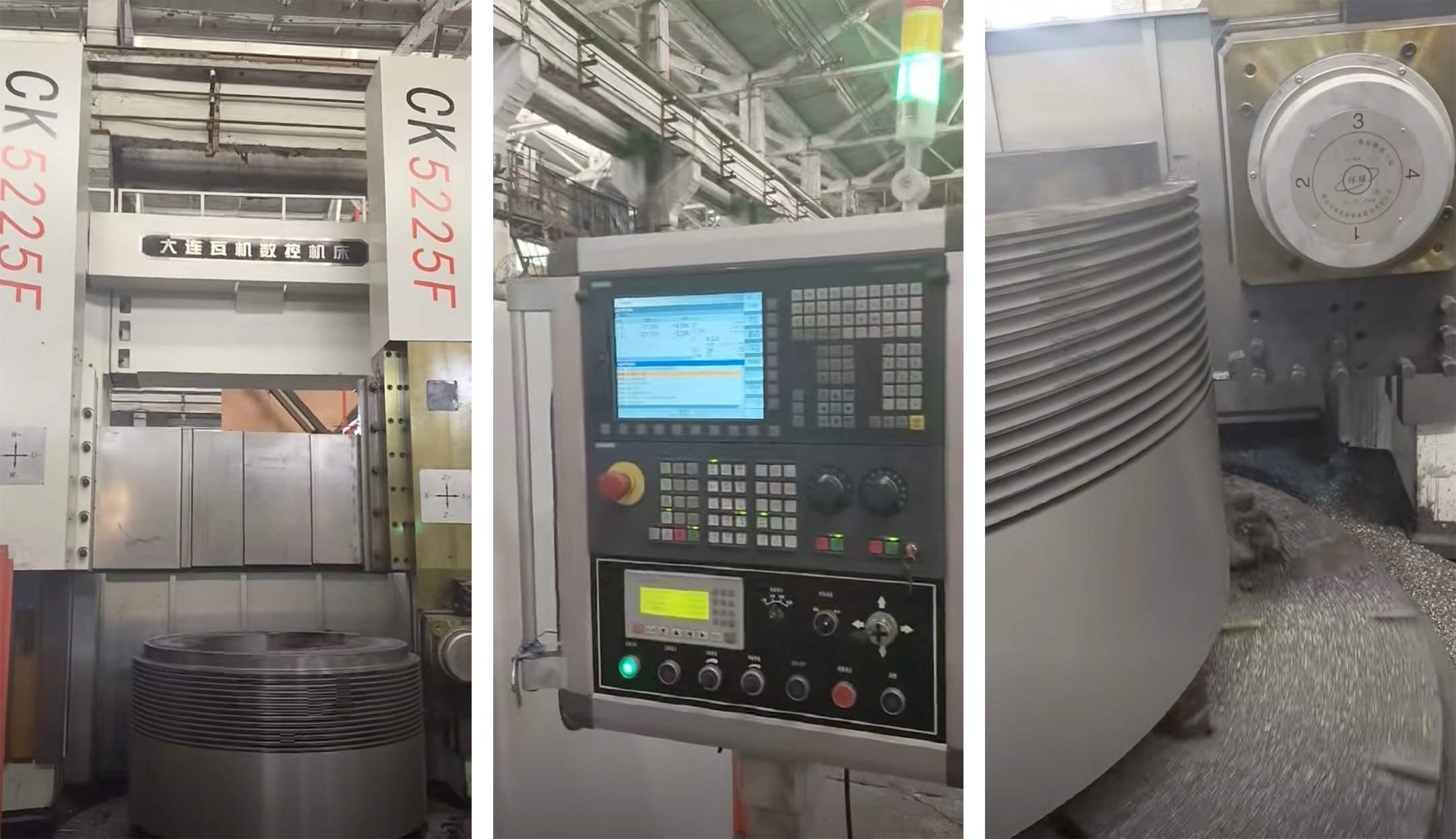
This is one of the biggest reasons why delivery times have become increasingly unpredictable worldwide.
For customers planning factory expansion or replacing aging equipment, uncertainty in machine delivery often creates greater risk than machine price itself.
Choosing a manufacturer with stable production capability significantly reduces project risk.
Manufacturing Strength Begins with Complete Production Control
The foundation of fast delivery is not simply increasing assembly speed—it begins much earlier during manufacturing.
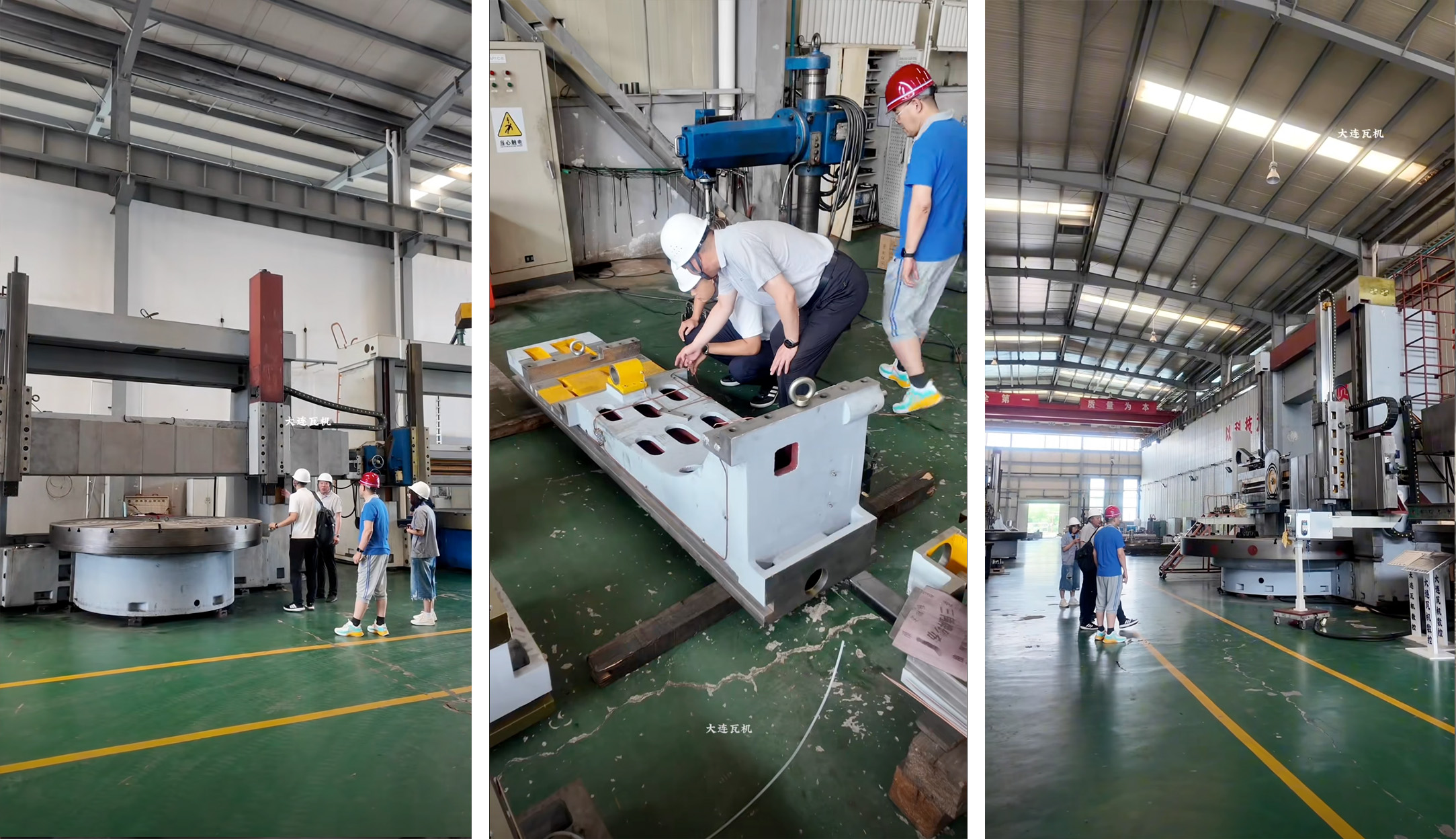
DALIAN WAJI is located in Liaoning Province, one of China's traditional heavy equipment manufacturing centers. With decades of experience in large machine tool manufacturing, we maintain strong control over key production processes rather than depending entirely on external suppliers.
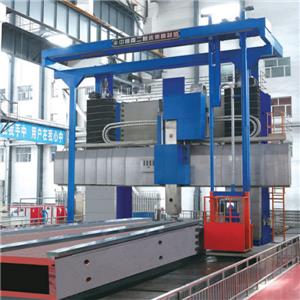
One of the most important advantages is our capability to manufacture massive cast iron machine components internally. Large machine beds, columns, and structural components are produced with strict quality control before entering precision machining and assembly.
This integrated manufacturing approach helps minimize delays caused by external casting suppliers while maintaining consistent production quality.
Because the machine foundation directly determines rigidity, vibration resistance, and long-term machining stability, controlling this process internally benefits both production scheduling and machine performance.
A Faster Delivery Cycle for Standard Configurations
For many industrial projects, every month saved during equipment procurement can directly improve production efficiency and shorten investment payback.
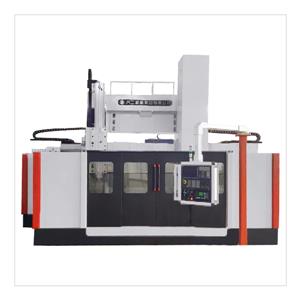
Thanks to integrated manufacturing and mature production management, DALIAN WAJI is able to maintain stable production for its heavy-duty vertical CNC machine series.
For the standard-configuration models in the CK51 and CK52 series, the typical production cycle is approximately three months; however, the factory initiates pre-production for these standard units, which helps reduce manufacturing time. Unlike many traditional suppliers—who only begin production preparations after an order is placed—this approach allows customers to start installation and commissioning work earlier.
Rather than waiting more than a year, manufacturers can move into production much faster, helping them:
Accelerate factory expansion projects
Meet customer delivery commitments
Reduce production bottlenecks
Improve equipment utilization
Shorten return-on-investment cycles