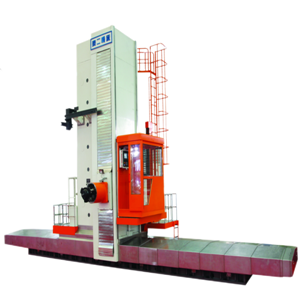
What is a Vertical Lathe For? Top Industrial Applications and Benefits
If you are dealing with large-diameter, heavy, or awkwardly shaped workpieces, you have likely come across the term "VTL." But specifically, what is a vertical lathe for, and which industries benefit most from its unique design?
At Dalian Waji CNC, we specialize in high-performance vertical lathe solutions. In this article, we’ll explore the primary uses of vertical lathes and why they are the preferred choice for heavy-duty manufacturing in 2026.
The Core Purpose: Machining Large, Heavy, and Short Parts
The primary reason to use a vertical lathe is to handle workpieces where the diameter is significantly larger than the length. Because the workpiece sits flat on a horizontal table, gravity helps stabilize the part, allowing for much higher precision and heavier cutting than a horizontal lathe could handle.
So, what is a vertical lathe for in terms of specific industries? Let’s look at the top four.
1. Aerospace: Precision for Engine Components
In the aerospace sector, precision is very important. Vertical lathes are used to machine:
· Jet engine casings.
· Turbine disks and rings.
· Large aerospace fasteners.
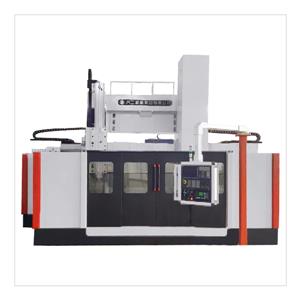
For these high-precision tasks, our CNC Vertical Turning Lathe Machine provides the stability and micron-level accuracy required for exotic alloys and complex geometries.
2. Energy & Power Generation: Handling Massive Scales
The energy industry—including wind, nuclear, and thermal power—requires the machining of massive parts. Vertical lathes are essential for:
· Wind turbine hubs and large flanges.
· Nuclear reactor vessel components.
· Hydroelectric turbine runners.
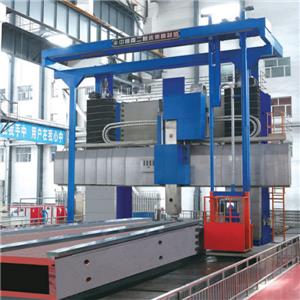
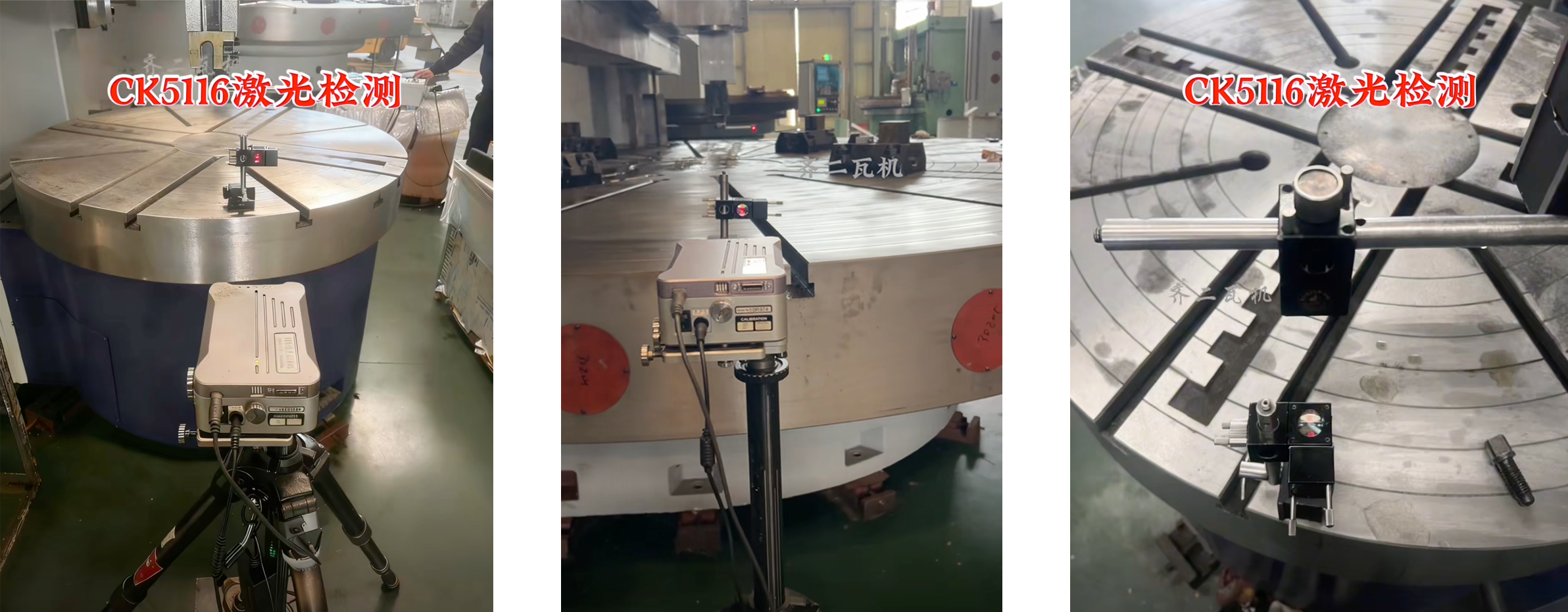
For these "giant" workpieces, the CNC Double Column Vertical Lathe is the industry standard. Its gantry-style structure supports extreme weights that would cause a single-column machine to flex.
3. Mining and Construction: Heavy-Duty Durability
Mining equipment operates under extreme stress, and its components must be built to last. Vertical lathes are used for:
· Crusher bowls and mantles.
· Large gear blanks and ring gears.
· Excavator swing bearings.
The heavy-duty torque and rigid host bed of our VTLs ensure that even the toughest cast steel or iron can be machined efficiently.
4. Railway and Transportation: Safety and Reliability
The railway industry relies on VTLs for the high-volume production of:
· Train wheels and tires.
· Brake disks.
· Axle boxes.
The automated CNC turret system on our Double Column Turret Lathe allows for multi-tool operations in a single setup, significantly increasing throughput for transport infrastructure.
Why Use a Dalian Waji Vertical Lathe Instead of a Horizontal One?
Understanding what a vertical lathe is for also means understanding its advantages over horizontal models:
Gravity Advantage: Easier loading of heavy parts using an overhead crane. The part's weight sits naturally on the chuck, reducing the risk of "run-out."
Enhanced Rigidity: Our double-column design minimizes vibration during interrupted cuts.
Multi-Tasking with Turrets: Our CNC turret lathes can perform turning, facing, and boring in one cycle, reducing manual intervention.
Is a Vertical Lathe Right for You?
If your workshop needs to process workpieces with a large swing diameter—especially those that are difficult to clamp horizontally—a vertical lathe is the definitive solution.
Whether you need a high-speed Single Column VTL for precision components or a Double Column Turret Lathe for massive industrial parts, Dalian Waji CNC has the engineering expertise to help you succeed.
Explore our solutions:
For medium-to-large precision turning: View Single Column CNC VTL
For heavy-duty, large-scale projects: View Double Column CNC Turret Lathe