
What Is the Difference Between Vertical and Horizontal Machining?
In-Depth Technical Guide for the Machine Tool Industry: The Fundamental Differences and Core Performance Metrics of Vertical vs. Horizontal Machining Centers (VMC vs. HMC)
In the CNC machine tool industry, vertical cnc turnings and horizontal machining centers represent the two most prevalent categories. When making purchasing decisions, many companies often find themselves torn between the two options: vertical cnc turnings offer lower costs but face bottlenecks in efficiency, while horizontal machining centers boast extremely high efficiency but require a staggering initial investment.
1. Spindle Orientation and Footprint (Physical Configuration Differences):
·Vertical cnc turnings (VMC):
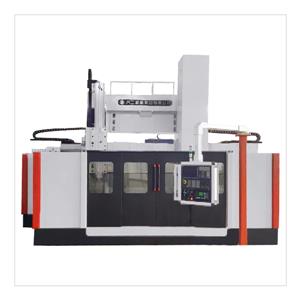
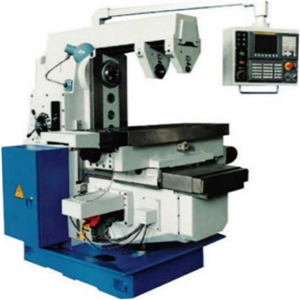
The spindle is oriented vertically, pointing downward perpendicular to the floor. The machine typically features a compact "C-frame" structure. Due to its simpler design, it occupies a smaller footprint, typically requiring only 4 to 10 square meters of workshop space.
·Horizontal Machining Centers (HMC):
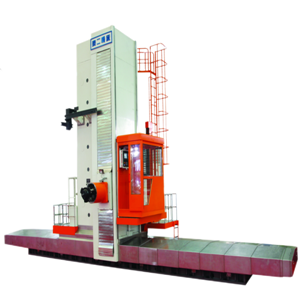
The spindle is oriented horizontally, parallel to the floor. These machines are typically equipped with an integrated B-axis rotary table and an Automatic Pallet Changer (APC) system. Due to their massive weight and the addition of automated components, their footprint is typically 2 to 3 times larger than that of a vertical cnc turning of equivalent specifications (exceeding 15 to 30 square meters).
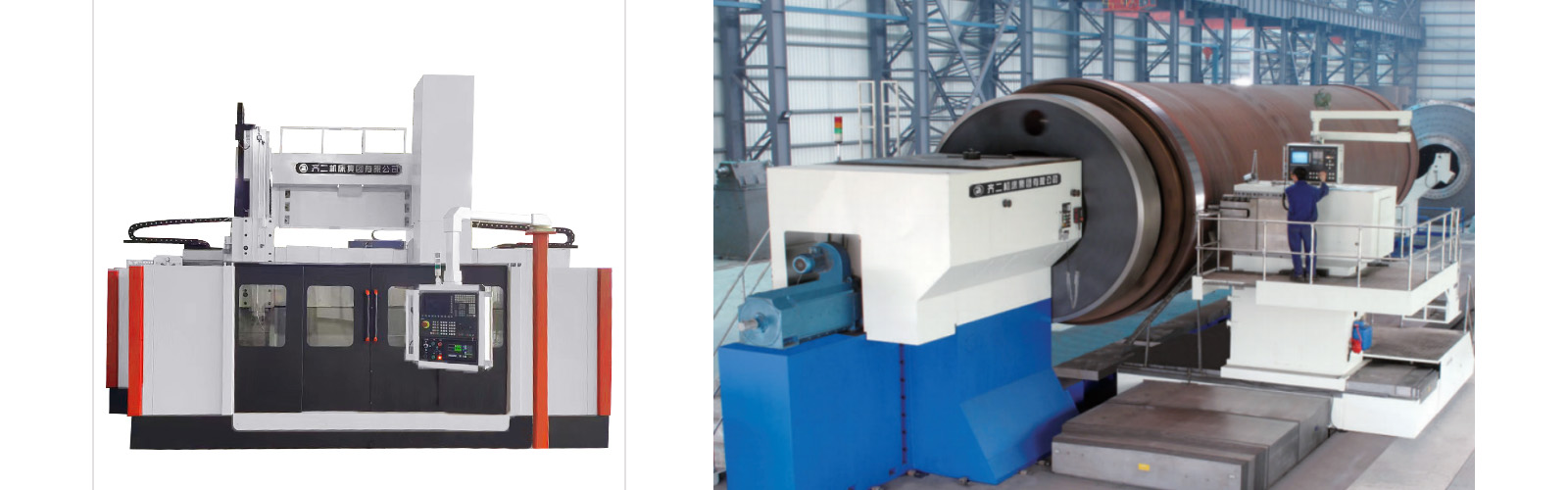
2. Spindle Utilization Rate and Cutting Time (A Disparity in Efficiency):
This is the most critical metric that defines the productivity gap between the two types of machines.
·The average spindle utilization rate for vertical cnc turnings is only 25% to 30%.
This is because vertical machining centers often require manual intervention to stop the machine, open the doors, clear chips, and unload/reload workpieces. During a standard 8-hour shift, the actual cutting time—the time spent generating value—on a vertical machining center amounts to only 2 to 2.5 hours.
· The spindle utilization rate for horizontal machining centers typically reaches as high as 85%.
Thanks to the Automatic Pallet Changer (APC) system—which allows the machine to perform internal cutting operations on Pallet A while the operator safely loads/unloads Pallet B in an external staging area—downtime is minimized to the absolute limit. During that same 8-hour shift, the actual cutting time on a horizontal machining center can reach 6.8 to 7 hours.
[Data Conclusion]: In mass production scenarios, the actual output of a single horizontal machining center is typically equivalent to the combined output of 3 to 4 vertical CNC machining centers.
3. Chip Evacuation Performance and Tool Life (The Benefit of Physical Properties):
· Vertical Machining:
Due to gravity, chips tend to accumulate on the workpiece surface or inside deep holes, preventing coolant from effectively reaching the tool tip. This "secondary cutting" (where the tool re-cuts chips that have already fallen) accelerates tool wear and can scratch the workpiece surface.
·Horizontal Machining: Since the spindle is horizontal, gravity causes chips to fall naturally and vertically away from the machining zone during cutting.
[Data Conclusion]: The superior chip evacuation and heat dissipation environment provided by horizontal machining centers can extend tool life by an average of 20% to 30%, significantly reducing consumable costs per part.
4. Number of Setups and Part Adaptability:
·Vertical Machining:
Ideal for machining disc- and plate-shaped parts. Typically, it can only machine a single plane from the top down. To machine a typical six-sided part (such as an engine block), a vertical machining center usually requires 6 to 7 separate setups and alignments. Each re-clamping operation introduces cumulative positioning errors.
·Horizontal Machining:
Highly suitable for box-like and multi-sided parts. When paired with "tombstone" fixtures and a 360-degree rotary table, a horizontal machining center can complete the machining of four sides—excluding the top and bottom faces—in a single setup. For the same six-sided part, a horizontal machining center requires only 2 to 3 setups to complete the job, resulting in significant improvements in yield rates and geometric accuracy.
5. Acquisition Costs and Market Distribution (Investment Portfolio Strategy):
According to historical industry data, there is a vast difference in cost between the two types of machines:
·Purchase Price: The initial investment required for a horizontal machining center is typically more than three times that of a vertical one.
·Market Volume: Because vertical machining centers are affordably priced, intuitive to operate, and have a low barrier to entry for programming, their annual market sales volume is approximately four times that of horizontal machining centers.
·The Secret of "Top-Tier Workshops": According to industry data, 61% of the processing enterprises boasting the highest profit margins and fastest growth rates have invested in Horizontal Machining Centers (HMCs)—often utilized in conjunction with multi-sided fixtures. This indicates that as enterprises transition from "small workshops" to "highly profitable factories," HMCs serve as a powerful tool for establishing a decisive competitive edge.
How Should Enterprises Make Their Choice?
1. When to Choose a VMC (Vertical Machining Center)?
·When the budget is relatively limited.
·When the primary focus is on machining flat plates or mold cavities involving a single plane.
·When operating as a "high-mix, low-volume" contract manufacturing workshop that requires frequent daily changeovers between different product lines.
·When available workshop floor space is limited.
2. When to Choose an HMC (Horizontal Machining Center)?
·When there is an ample capital expenditure budget.
·When there is a steady stream of long-term, high-volume orders (e.g., automotive components, pump bodies, aerospace structural parts).
·When there is a need to machine complex box-like structures or multi-sided parts.
·When planning to integrate with a Flexible Manufacturing System (FMS) or robotic arms in the future to achieve unmanned production. Although the initial machine cost may be three times higher, the savings on the salaries of 2–3 operators—combined with a doubling of production capacity—ultimately result in a lower per-unit manufacturing cost when calculated over the long term.