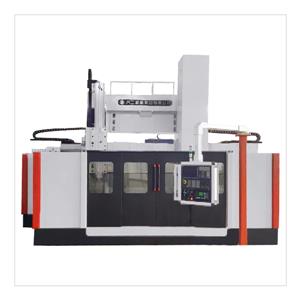
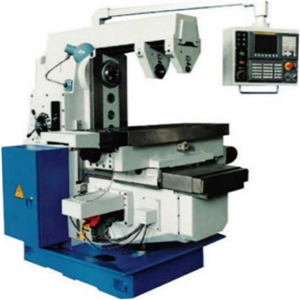
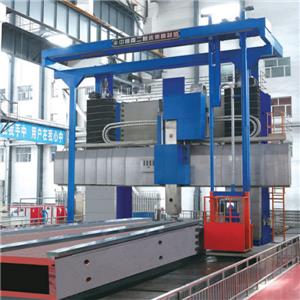
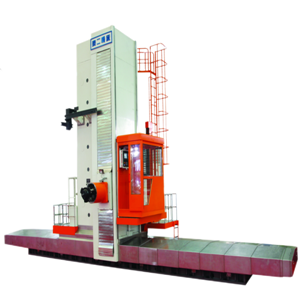

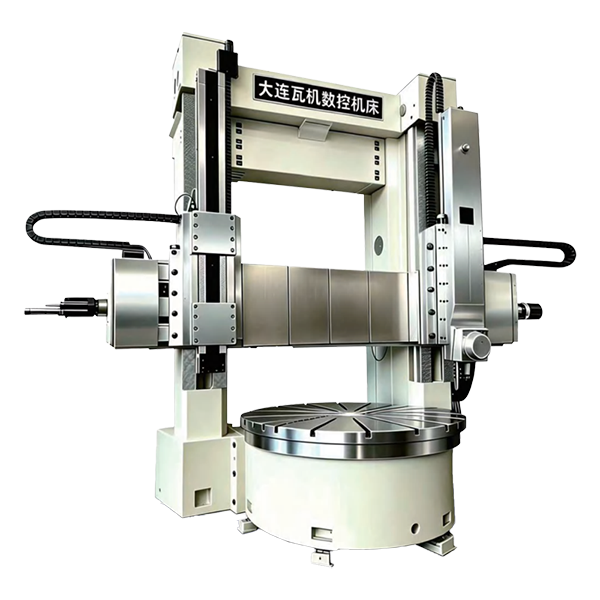
CNC Vertical Turning and Machining Center with C-Axis
Brand DALIAN WAJI CNC MACHINE
Product origin CHINA LIAONING
Delivery time Depending on the specific order, pre-production investment has been made
Supply capacity Depending on the specific order
1. A heavy-duty double-column platform developed for large-diameter, high-mass and difficult-to-handle components that require stable vertical turning, dependable structural rigidity and a project-specific path toward integrated machining.
2. Dalian Waji is an enterprise with high-precision lathe manufacturing capabilities.
3. Avoid purchasing second-hand equipment, as doing so means you will not receive comprehensive after-sales service.
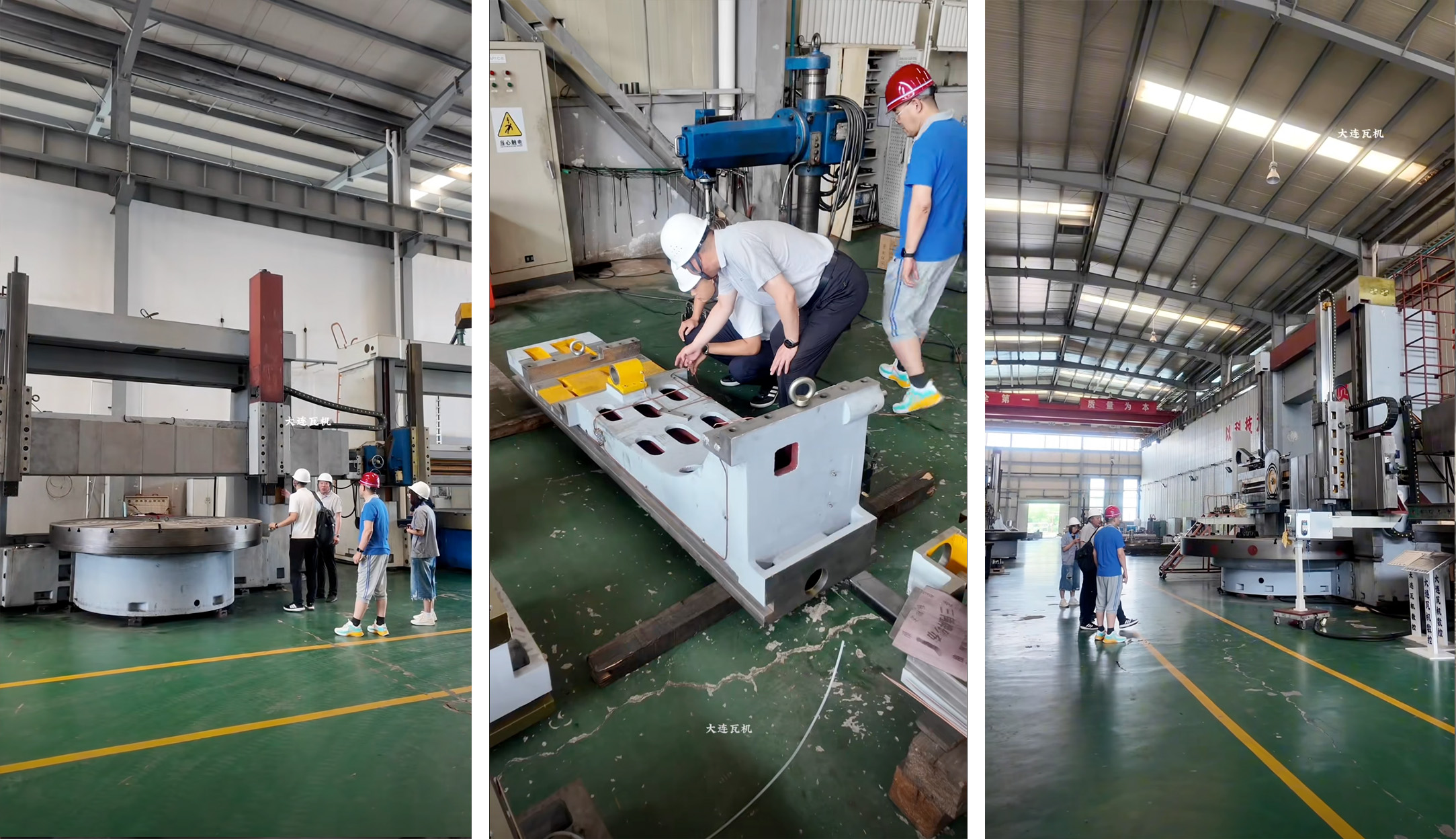
A carousel lathe (also called a vertical turning lathe (VTL) or vertical boring mill) is a lathe designed to machine large, heavy, and wide workpieces that would be difficult or unsafe to hold on a conventional horizontal lathe. The workpiece is mounted on a horizontal rotating table, and the cutting tools move vertically and horizontally to perform machining.
Reduce Repositioning Risk in Large-Part Production
Large rings, gears, bearing components, turbine parts, valves and pressure-vessel heads are expensive to move and difficult to re-clamp. Every additional setup can increase handling time, introduce alignment errors and add uncertainty to the production schedule. For buyers evaluating a CNC Vertical Turning and Machining Center with C-Axis, the real objective is not simply to purchase a large machine. It is to establish a stable process platform that can hold a heavy workpiece securely, complete the main turning operations with consistent geometry and, where the confirmed configuration permits, reduce the need to transfer the part to another machine for secondary work.
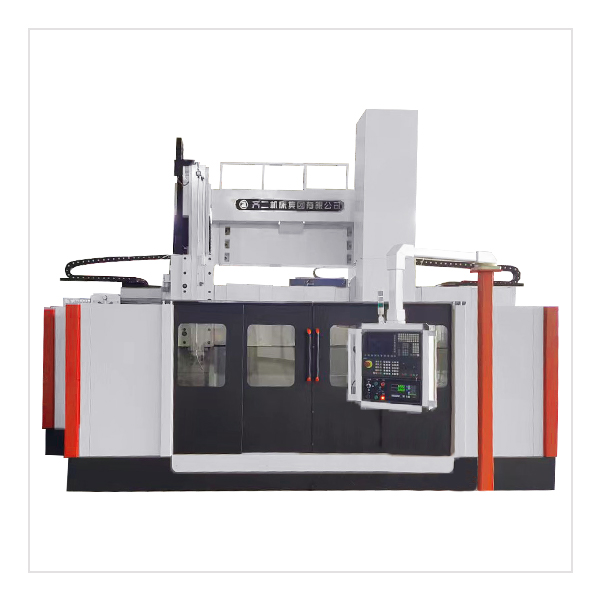
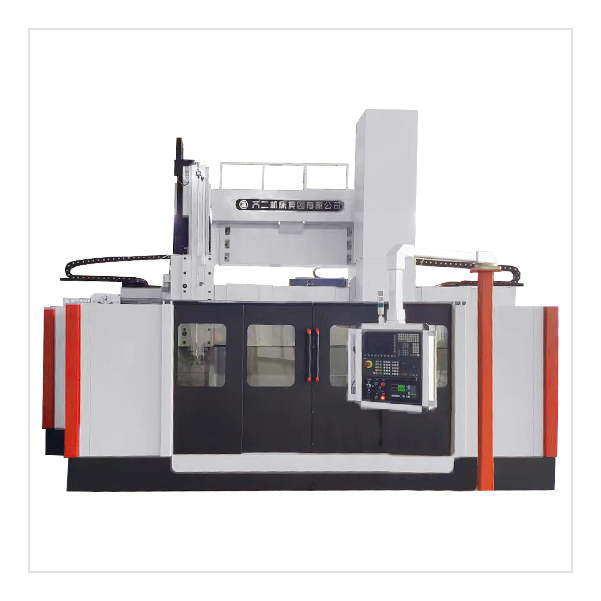
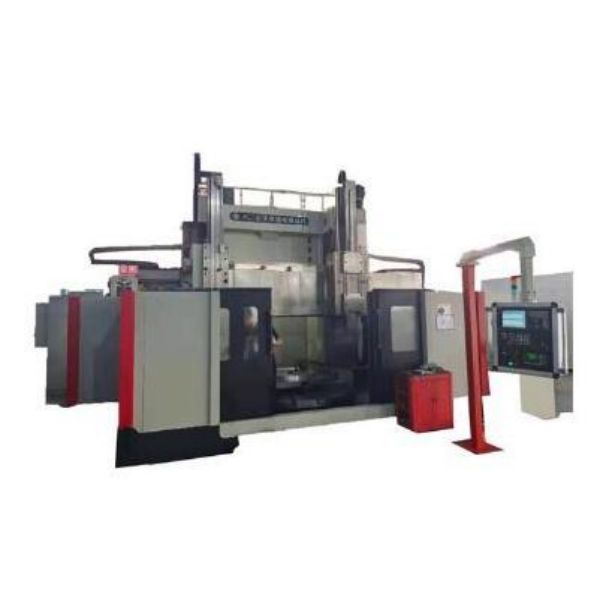
The double-column vertical lathe platform is built around a large circular worktable, two rigid columns, an overhead cross rail and ram-type tool slides. This architecture supports the machining of large rotational components while allowing the workpiece to remain in a horizontal position. Compared with loading a large part onto a horizontal lathe, the vertical arrangement can simplify clamping because the workpiece weight acts directly onto the table. This is one reason a heavy-duty carousel (vertical) lathe remains a practical choice in energy, heavy machinery, general engineering and large-component manufacturing.
Machine Architecture Based on a Proven Double-Column Layout
Large Vertical Worktable
The circular table supports large rotational parts from below. The brochure lists worktable diameters from approximately 2,250 mm to 6,300 mm across the presented model range, allowing buyers to match machine size to component diameter and load rather than oversize the investment unnecessarily.
Rigid Double-Column Frame
Two columns and an upper connecting beam create a closed structural frame around the machining area. This arrangement is intended to provide stable support for the cross rail and tool slides during heavy vertical turning.
Ram-Type Tool Slides
The tool slides move horizontally along the cross rail and vertically through the ram. These controlled X- and Z-axis movements are the core feed motions of the cnc vertical turning lathe platform and enable external, internal, face and contour turning operations.
Two-Slide Processing Potential
The left and right tool-slide configurations. Depending on the selected specification and process arrangement, the two slide positions can support flexible tool deployment and help organize roughing, finishing or complementary operations.
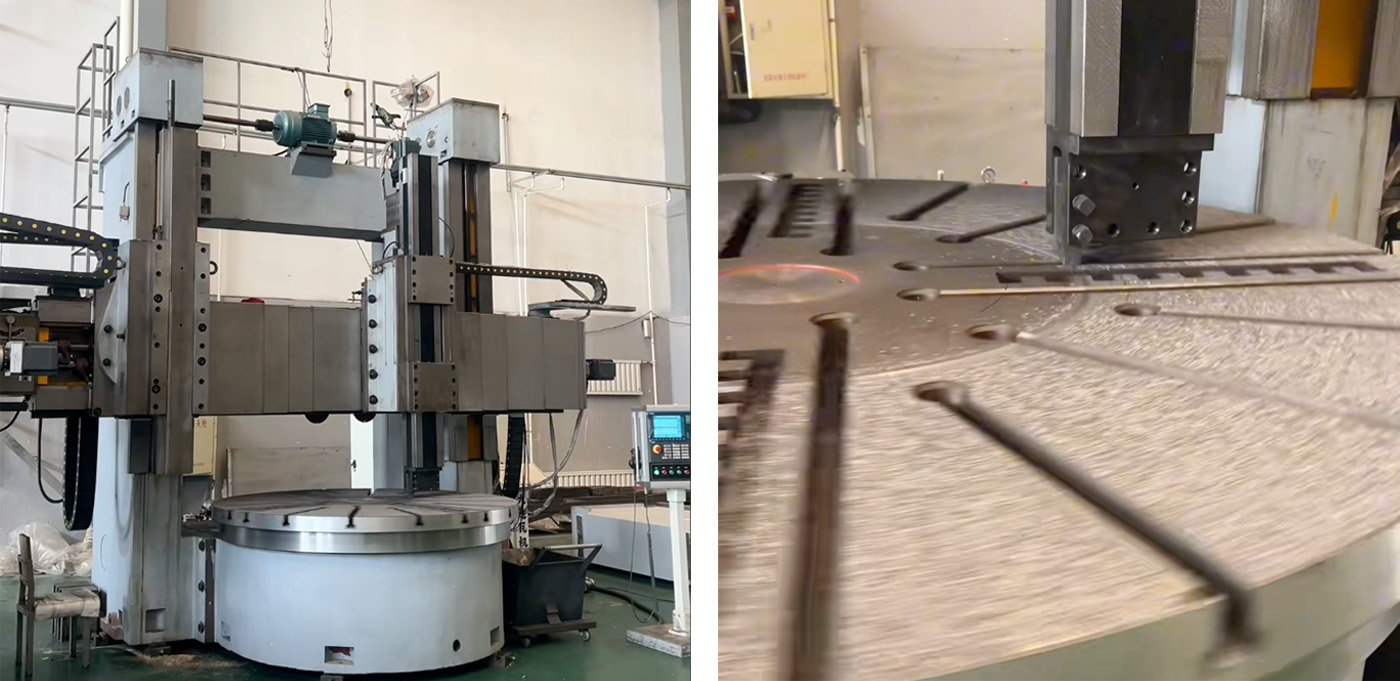
The frame of carousel (vertical) lathe uses high-quality cast iron grades, with resin-sand molding, thermal treatment and vibration-aging processes described for major castings. These methods are intended to reduce residual stress and support long-term dimensional stability. The guideway surfaces are also described as manually scraped and inspected. Manual scraping is used to establish distributed contact points, improve bearing support and maintain the oil-retaining microstructure required for smooth sliding motion.
For procurement teams comparing a cnc vertical turret lathe with other large machine tools, these structural details matter because table size alone does not determine machining stability. The relationship between the foundation, table, columns, cross rail, ram, guideways and feed system determines how well the machine resists deformation under cutting load. A correctly sized machine should therefore be selected by reviewing workpiece diameter, height, weight, material, machining allowance, interrupted-cut conditions and target accuracy together.
Parameters of Double Column Vertical Lathe D series (2.5 - 6.3 meters):
This section shows the parameters for the D series lathes, φ2500-φ4000 (larger sizes are also available, as is the F series; please contact our sales team for more information).
| Model | C(X)5225D x H/W | C(X)5231D x H/W | C(X)5235D x H/W | C(X)5240D x H/W |
| Max. turning diameter mm | Φ2500 | Φ3150 | Φ3500 | Φ4000 |
| Max. workpiece height mm(H=100) | H=16/20/25 | H=16/20/25 | H=16/20/25 | H=16/20/25 |
| Max. workpiece weight t | 12/16/20 | 12/16/20 | 20/32 | 20/32 |
| Worktable diameter mm | Φ2250 | Φ2830 | Φ3150 | Φ3600 |
| Worktable steps | two stepless | Two-speed stepless | Two-speed stepless | Two-speed stepless |
| Worktable speed r/min | 0.63 - 63 | 0.63 - 63 | 0.63 - 63 | 0.63 - 63 |
| Max. table torque N.m | 63 | 63 | 80 | 80 |
| Crossrail travel mm | 1250/1650/2150 | 1250/1650/2150 | 1250/1650/2150 | 1250/1650/2150 |
| Crossrail lifting speed mm/min | 350 | 350 | 350 | 350 |
| Crossrail lifting motor power Kw | 7.5 | 11 | 11 | 11 |
| Horizontal travel of left/ right vertical tool holder mm | -15 - 1400 | -15 - 1750 | -15 - 1950 | -15 - 2150 |
| Vertical travel (ram stroke) of left/ right vertical tool holder mm | 1250/1400/1600 | 1250/1400/1600 | 1250/1400/1600 | 1250/1400/1600 |
| Feed steps of left/ right tool holder | stepless | stepless | stepless | stepless |
| Feed range of left/r ight tool holder mm/min | 1-500 | 1-500 | 1-500 | 1-500 |
| Rapid traverse speed of left/ right tool holder mm/min | 3000 | 3000 | 3000 | 3000 |
| Swivel angle range of left/ right tool holder ° | ±30° | ±30° | ±30° | ±30° |
| Turning tool shank cross-section mm | 50x50 | 50x50 | 50x50 | 50x50 |
| Max. cutting force of right tool holder kN | 35 | 35 | 40 | 40 |
| Max. cutting force of left tool holder kN | 28 | 28 | 35 | 35 |
| cross-section of left/ right ram mm | 240x240 | 240x240 | 240x240 | 240x240 |
| Main motor power Kw | 55(AC) | 55(AC) | 55(AC) | 55(AC) |
| Machine weight (approx.) t | 34/35/36 | 39/40/42 | 46/49/52 | 56/59/62 |
| Protective devices, coolant system, chip removal system | Option | Option | Option | Option |
| Linear servo motor- driven feed | Option | Option | Option | Option |
| Machine overall dimensions (L×W×H) | - | - | - | - |
A responsible machine selection should begin with the workpiece rather than the model number. Send the maximum and minimum diameters, overall height, weight, material, hardness, machining drawing, annual volume and required tolerances.
The engineering team can then determine whether a standard cnc turret lathe machine configuration is sufficient or whether the application requires additional C-axis, driven-tool or measuring functions.
Typical applications include:
· Large flanges
· Turbine casings
· Gear blanks
· Railway wheels
· Bearings
· Pressure vessel components
Comparison with a horizontal lathe
| Horizontal Lathe | Carousel (Vertical) Lathe |
| Workpiece rotates on a horizontal axis | Workpiece rotates on a vertical axis |
| Best for shafts and long cylindrical parts | Best for large-diameter, short, heavy parts |
| Tailstock often supports long work | Large faceplate supports work by gravity |
| Common in general machining | Common in heavy industry and large-component manufacturing |