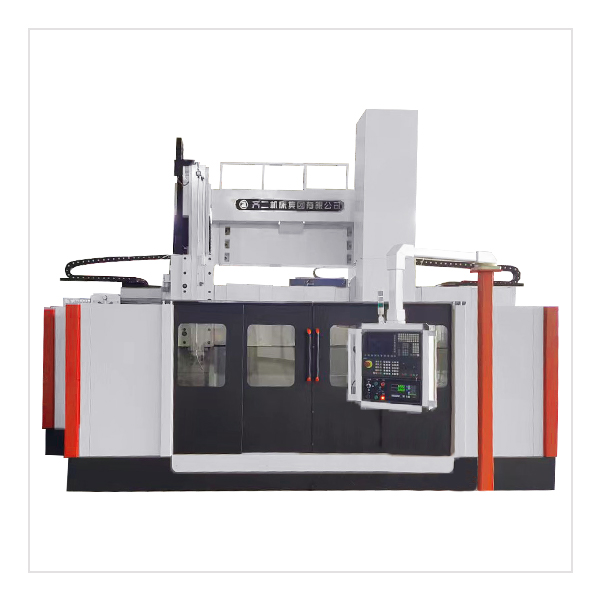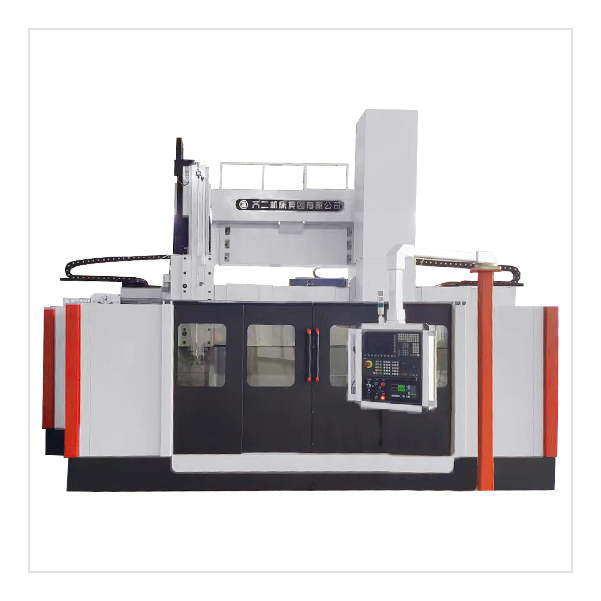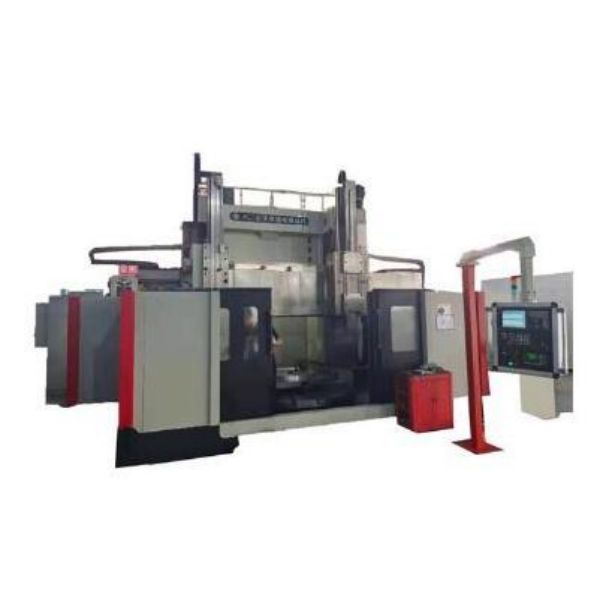

High-Precision Vertical Turret Lathe
Brand DALIAN WAJI CNC MACHINE
Product origin CHINA LIAONING
Delivery time Depending on the specific order, pre-production investment has been made
Supply capacity Depending on the specific order
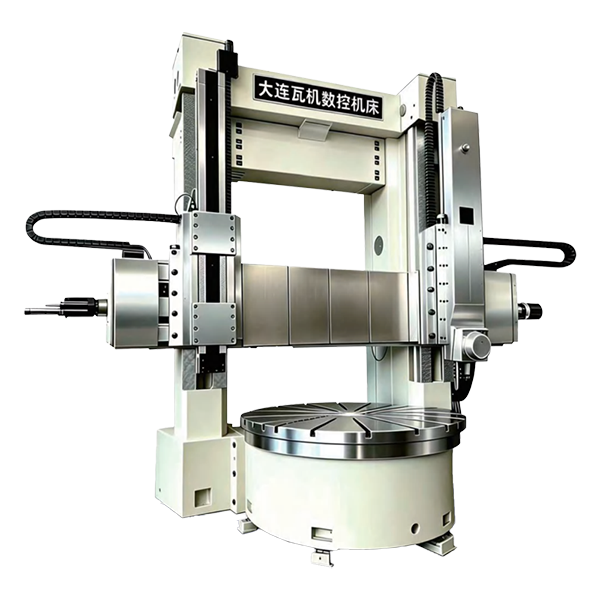
1. The CNC vertical lathe machine features a double-column structure designed to meet the machining requirements of large workpieces.
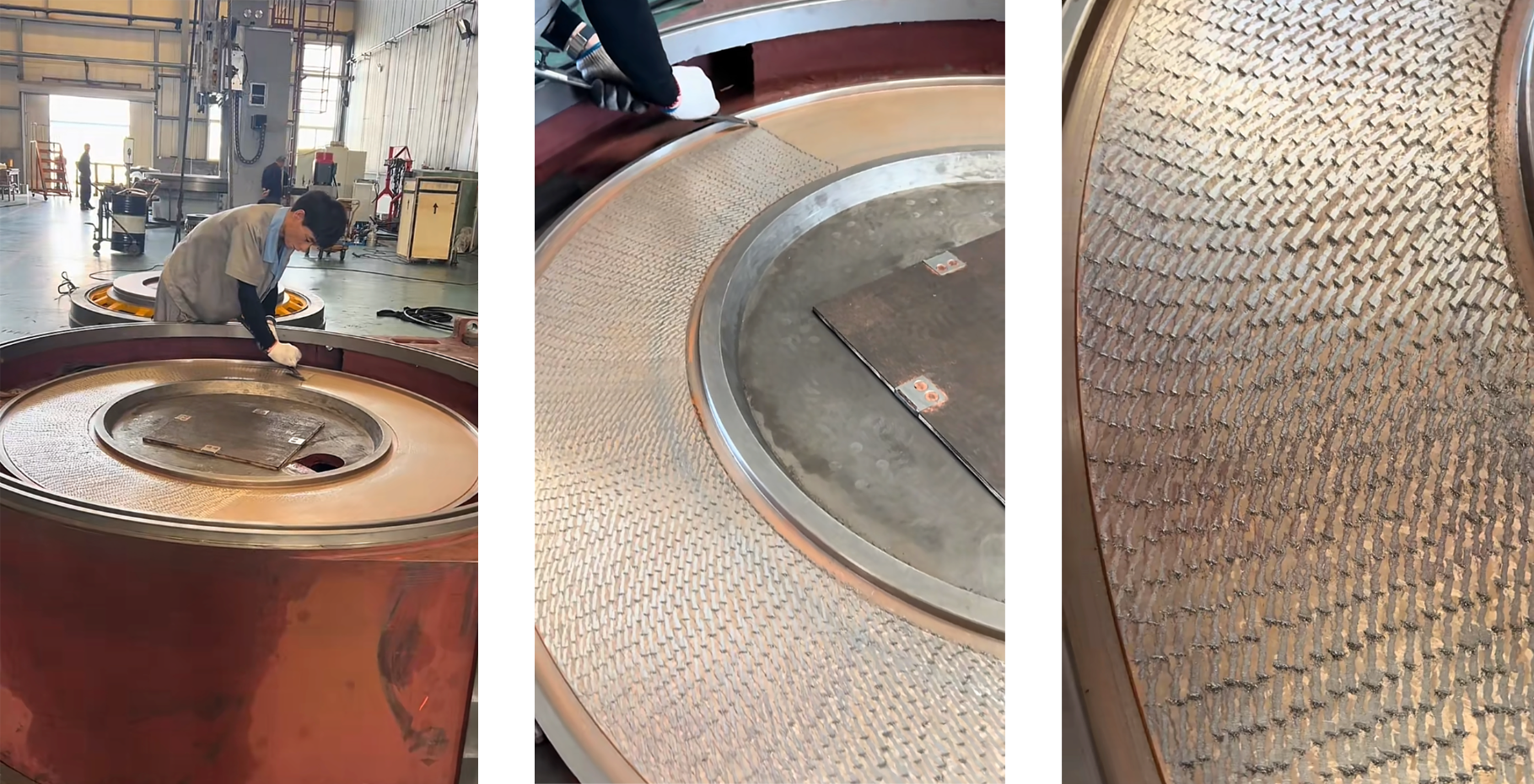
2. The CNC vertical lathe machine utilizes a precision guideway scraping process to ensure sustained machining accuracy over the long term.
3. Dalian Waji possesses a comprehensive technical system, with all employees upholding the highest standards in every aspect of their work; our goal is to enable more overseas factories to experience lathes manufactured by Dalian Waji. Let people from different countries feel the power of China.
When Large-Part Accuracy Depends on More Than Table Diameter
Purchasing a large vertical turning lathe is often triggered by a simple dimensional problem: the existing machine cannot accept the workpiece. Yet the most expensive production difficulties usually appear after the part fits on the table. The component may vibrate during an interrupted cut, the tool may not reach a deep inner surface, the fixture may distort a thin ring, or the guideway system may not maintain smooth movement under load. A High-Precision Vertical Turret Lathe should therefore be evaluated as a complete machining system rather than a rotating table with a large swing.
Dalian Waji machine uses a double-column structure with a cross rail, one or two ram-type tool slides and a large vertical worktable. This layout is suitable for large rings, gear blanks, bearing components, valves, hydropower parts, wind-power components and pressure-vessel heads. The vertical orientation allows gravity to support the workpiece on the table, helping simplify the handling of heavy disc- and ring-shaped components.
Buyers searching for a vtl vertical turret lathe are often comparing modern CNC equipment with older North American-style machines commonly described as a bullard vtl. The basic production need is similar: stable vertical turning of a large component. The modern CNC platform, however, adds programmable axis control, control-system options and a broader selection of machine sizes. The result is a more structured approach to repeatable production, provided the machine is correctly matched to the workpiece and process.
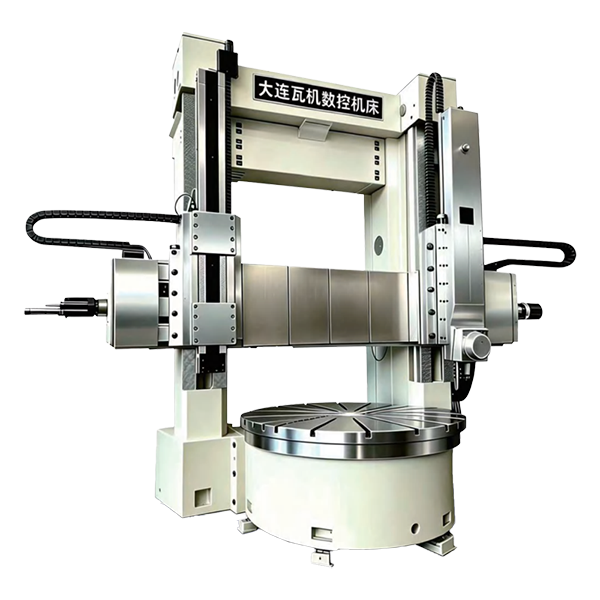
Core Design Features of precision lathe machine
Double-Column Support
The left and right columns support the cross rail and create a broad, rigid frame around the table. This is a practical architecture for machines handling large diameters and significant cutting loads.
Vertical Rotating Table
The workpiece is mounted horizontally on a circular table. The table provides the main rotary cutting motion while the tool slides feed in controlled horizontal and vertical directions.
Ram-Type Tooling
The ram moves vertically toward the workpiece and can carry turning tools for external, internal and face machining. The brochure publishes vertical travel, rapid movement and ram-section information for the various models.
Precision Guideway Preparation
The manufacturer highlights hand scraping and inspection of key guideway surfaces to establish distributed contact, support load and retain lubrication.
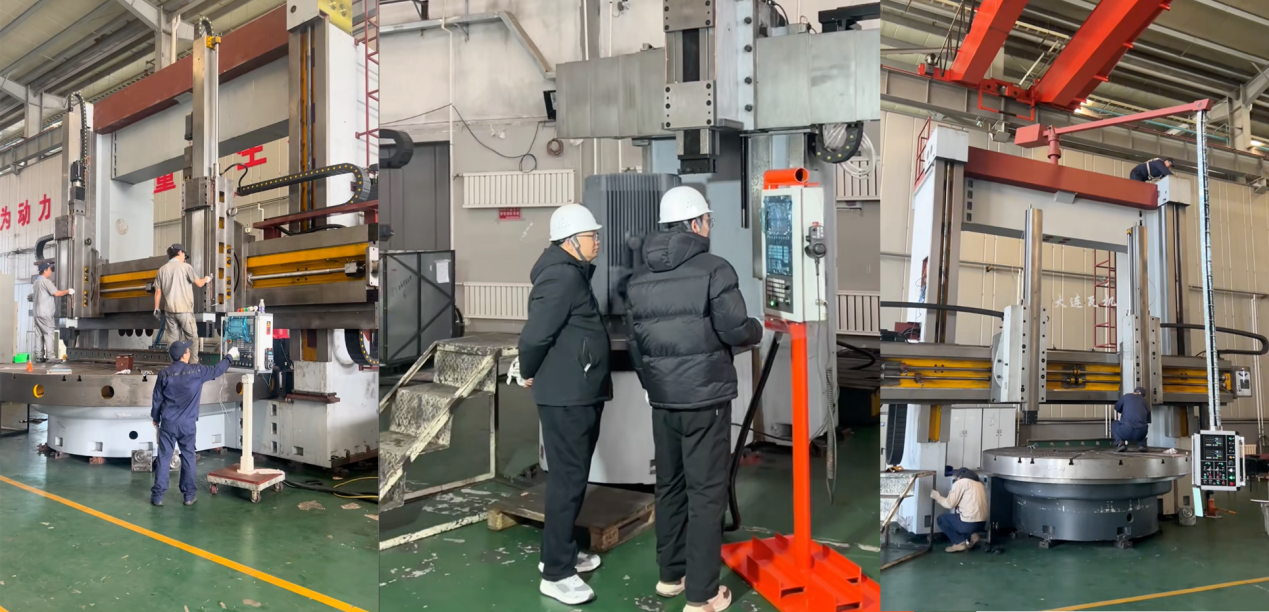
Supported Machining Operations
The vertical lathe structure is designed for rotational machining tasks such as outside-diameter turning, inside-diameter boring, face turning, step machining, groove cutting, taper turning and selected contour work. The exact toolpath capability depends on the CNC system, axis configuration and tooling arrangement. The brochure confirms horizontal and vertical movement of the tool slides, which correspond to X- and Z-axis feed on the CNC versions.
Face machining is one of the most common applications because large flanges, rings and housings often require broad, flat reference surfaces. Inner-bore machining is also important for bearing seats, valve bodies and large gear blanks. External turning prepares reference diameters for assembly or subsequent processes. Grooves, shoulders and steps can be machined where tool access and ram rigidity are appropriate.
The machine can be considered a modern vtl vertical turret lathe. Its structure, table capacity and ram arrangement are intended for heavy large-part work. The word “turret” is often used broadly in international searches, while the actual brochure shows ram-type tool slides rather than a small indexing turret typical of compact lathes. Clarifying this point helps international buyers understand the real machine configuration.
Process Stability for Heavy and Thin-Wall Components
Large vertical lathes often machine two very different types of parts: heavy, rigid castings and broad, relatively thin rings. These workpieces create different risks. A heavy casting can produce high cutting forces, impact loads and large volumes of chips. A thin ring can deform under clamping force or cutting pressure even when the machine itself is rigid. A successful process therefore depends on matching the fixture and cutting strategy to the part structure.
For heavy castings, the raw surface may contain hard skin, sand inclusions or uneven stock. The first roughing pass should be planned conservatively, with attention to tool strength and machine load. Interrupted surfaces can create impact that affects tool life and finish. A stable ram section, suitable insert geometry and controlled table speed are important. The buyer should provide casting condition and expected stock allowance so that the technical team can assess the duty.
For thin-wall rings, the fixture should distribute clamping force over enough contact points to prevent local distortion. Machining sequence also matters. Removing too much material from one side can release internal stress and change shape. Balanced roughing, intermediate measurement and controlled finishing allowance can improve results. The final tolerance should be evaluated at the specified temperature and clamping condition.
Thermal management becomes more important during long cycles. Heat can come from cutting, bearings, drive systems and the workshop environment. The buyer should avoid placing the machine near strong heat sources or direct sunlight. Warm-up routines, stable coolant practice and consistent measurement timing help reduce variation. Precision on a large part is a production-system issue, not only a machine specification.
Request a Model and Process Recommendation
Share your component drawing and production requirements. The technical team can review the machining envelope, table load, ram reach, control system and installation conditions, then prepare a configuration aligned with the real workpiece.
Send Your Projects