
Aerospace HRSA Component Machining: Why Single Column Vertical Lathe Performance Is Critical
Heat resistant superalloys (HRSA) are widely used in aeroengine parts due to their good high temperature strength, creep resistance and corrosion resistance. However, this type of material has low thermal conductivity, obvious work hardening, and large cutting force, which puts forward higher requirements for machine tool rigidity, tool life and processing stability. For large rotating parts such as engine rings, turbine casings and large discs, the single column vertical lathe can provide stable workpiece support, making it an important equipment choice for related processing scenarios.
Why Is HRSA Difficult to Process?
HRSA mainly includes nickel-based, cobalt-based and iron-based superalloys. During the processing process, cutting heat is not easy to conduct quickly and is easily concentrated in the cutting area; at the same time, the material has high high temperature strength, and work hardening will also increase subsequent cutting resistance.
Therefore, when processing such materials, we cannot only pursue higher cutting speeds, but also need to comprehensively consider machine tool rigidity, cutting stability, tool wear and cooling chip removal.
Processing Characteristics of Engine Rings, Turbine Casings and Large Discs.
Engine rings, turbine casings and large discs in aeroengines often have large diameters and weights and may be made of HRSA materials.
The single column vertical lathe places the workpiece on a horizontal workbench, which directly supports the workpiece. For large rotary parts, this structure is conducive to maintaining stable support of the workpiece and reducing support problems caused by the weight of the workpiece during processing.
During HRSA heavy cutting, stable workpiece support and machine structure can help reduce the impact of vibration on surface quality, tool life and size consistency.
Aerospace HRSA Processing, What Should I Pay Attention to When Purchasing Vertical Lathes?
For such applications, procurement personnel can focus on the following aspects:
1. Machine tools are rigid.
The HRSA cutting force is large, and the bed, column and tool support structure need to be stable to reduce obvious vibration during heavy cutting.
2. Workbench carrying capacity.
The engine rings and large discs have large size and weight, so it is necessary to confirm that the workbench and clamping system can meet the actual workpiece requirements.
3. CNC and tool systems.
Reasonable tool holder and CNC configuration helps organize roughing, semi-finishing and finishing operations and reduces unnecessary repeated clamping.
4. Cooling and chip removal.
The heat and chips generated by HRSA processing need to be treated in a timely manner, and cooling methods and chip removal conditions should also be included in equipment selection.
5. Practical processing experience.
For aerospace parts, whether equipment suppliers have processing experience corresponding to material and workpiece types is also a factor worthy of attention when purchasing evaluation.
The Single Column Vertical Lathe Is Suitable for HRSA Processing.
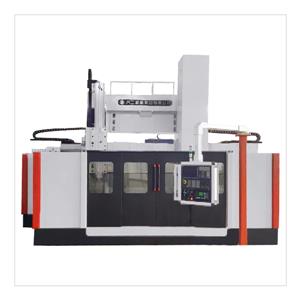
DALIAN WAJI's single column vertical lathe is designed for processing large rotary parts. The equipment adopts a vertical machining layout, and a horizontal workbench can provide direct support for large workpieces; the stable bed and column structure are suitable for withstanding high cutting loads. The CNC tool rest system can meet different turning needs according to specific configurations.
This model can be used in the processing of engine rings, turbine casings and large discs in the aerospace field, and is suitable for processing scenarios of heat-resistant superalloys and other materials.
During the selection process, purchasers should not only look at the spindle power or the workbench size, but also need to conduct a comprehensive evaluation based on workpiece weight, material, cutting load, tool configuration and processing technology.
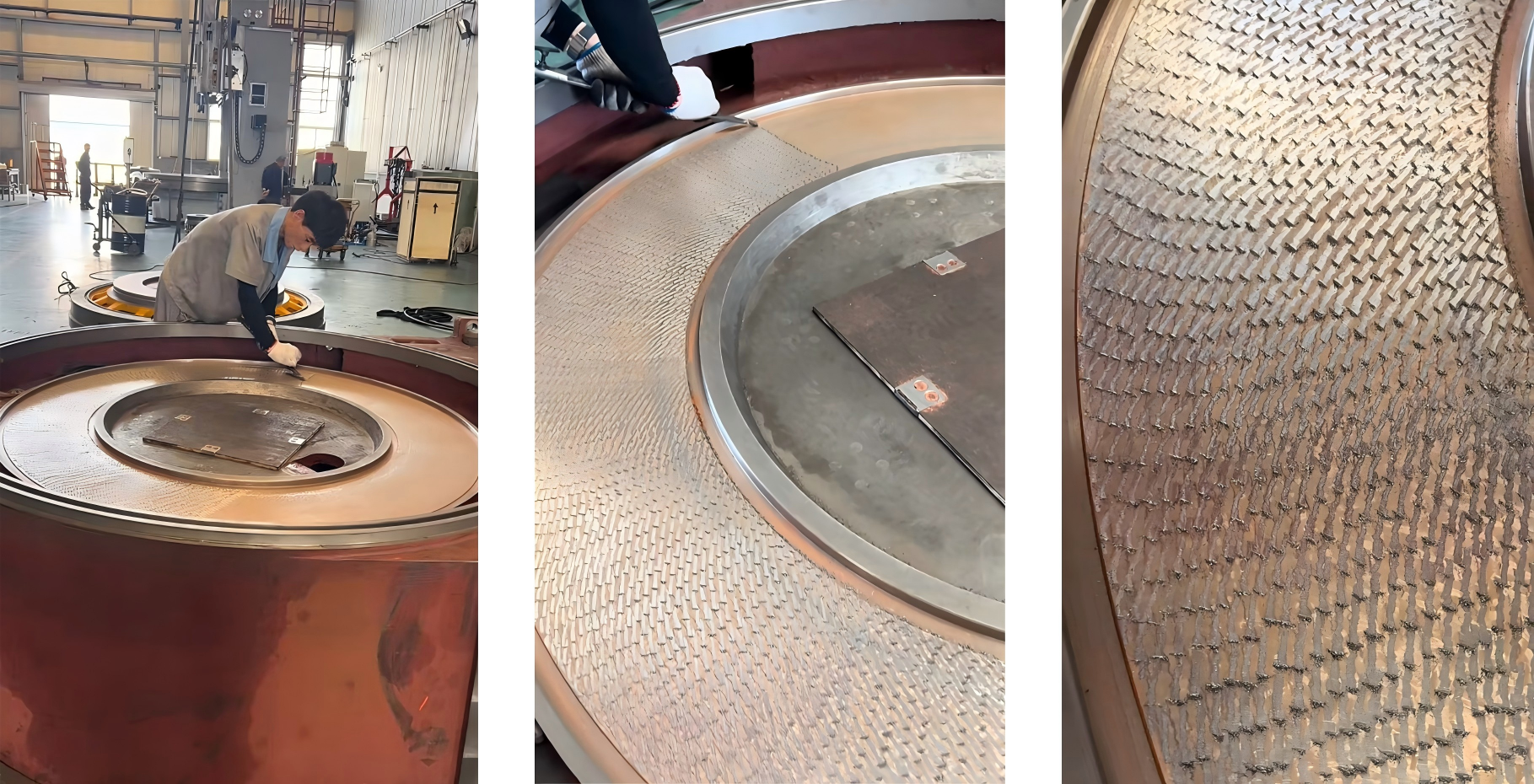
HRSA materials provide important high-temperature properties for aeroengines, but also increase the difficulty of processing components. For parts such as engine rings, turbine casings and large discs, stable workpiece support, sufficient machine tool rigidity and reasonable processing configuration are important foundations for ensuring the processing process.
The single column vertical lathe provides a targeted processing equipment solution for aerospace HRSA parts through its vertical layout and processing capabilities of large rotary parts.