-
09-21 2026
Precision Lathe Machine for Wind Turbine Components
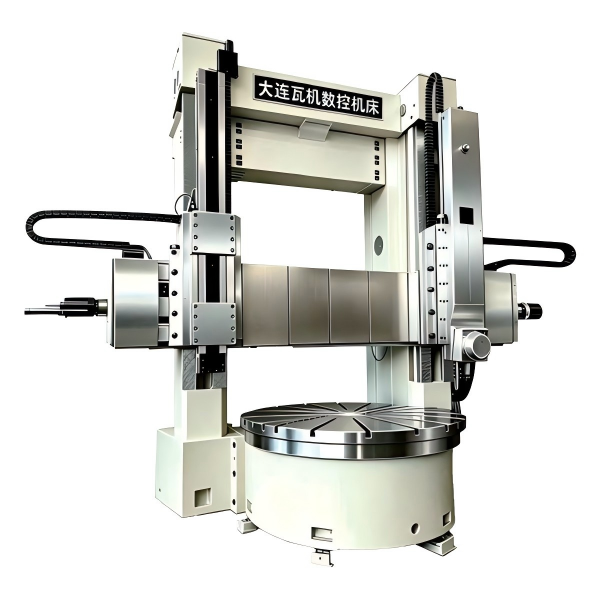
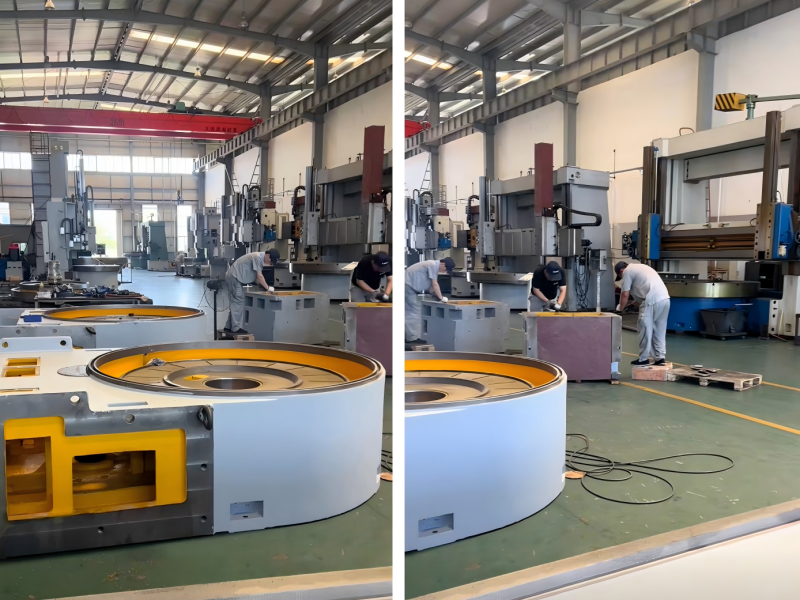
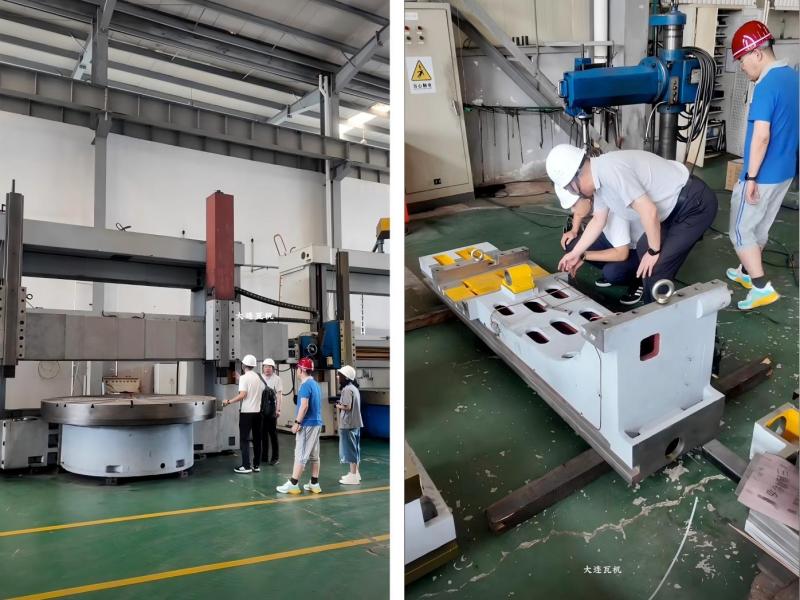
The precision lathe machine is preferred for large wind power disk and ring parts, focusing on confirming the diameter, height, weight, workbench load, cutting force and whether C-axis/power tools are needed, so as to achieve one-time clamping to complete key processing.
-
09-21 2026
Large Vertical Lathe Vs. Horizontal Lathe: Which Kind of Workpiece Is Suitable for Your Work Piece?
The key to choosing a vertical lathe or a horizontal lathe depends on the geometry of the workpiece: CNC vertical lathe is preferred for large diameter, heavy, relatively short or irregular shaped discs/rotary parts. For workpieces with lengths significantly greater than diameter such as long axes and slender axes, horizontal lathes are more suitable.
-
09-21 2026
How to Choose the Right CNC Vertical Turning Machine?
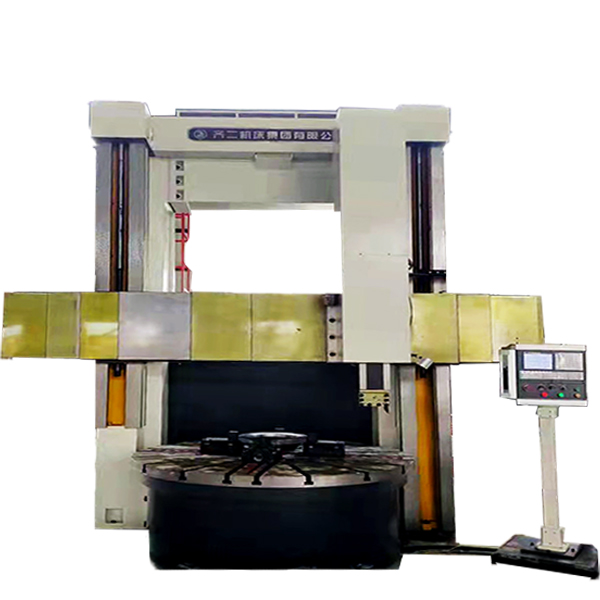
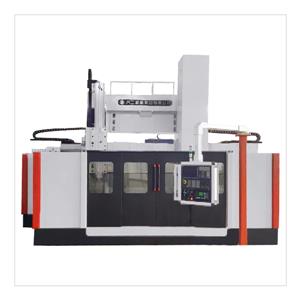
Choosing a CNC vertical turning machine requires integrating the diameter, height, weight, material, cutting requirements, workbench size and future production requirements of the workpiece to ensure that it can be loaded, bear enough, cut enough, and the configuration is matched to avoid too small or too large the specifications.
-
09-15 2026
What Specifications Should Be Confirmed with the Manufacturer When Purchasing a Vertical Turning Lathe?
Purchasing vertical turning lathe machines can provide manufacturers with complete workpiece size, weight, material, processing process and accuracy requirements, and then confirm workbench capabilities, turning diameters, cutting and guide structure, CNC systems, optional configurations and installation training after-sales support instead of just comparing maximum machining diameters or parameters.
-
09-15 2026
Why Is There a Variation in the Precision of Holes Machined on the Same CNC Boring and Milling Machine?
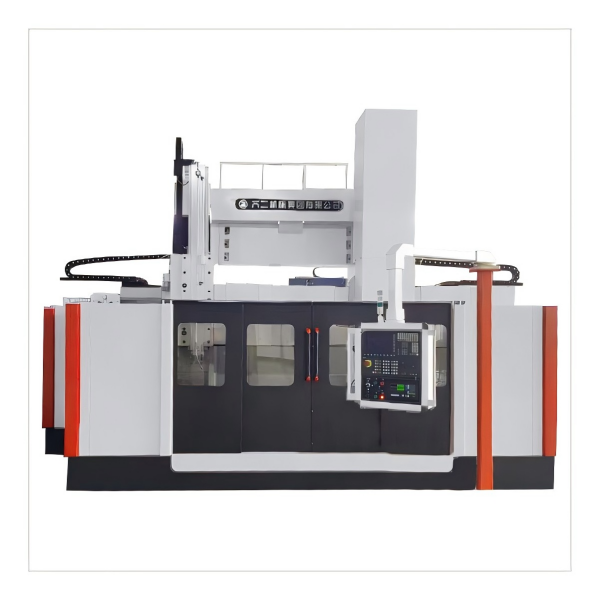
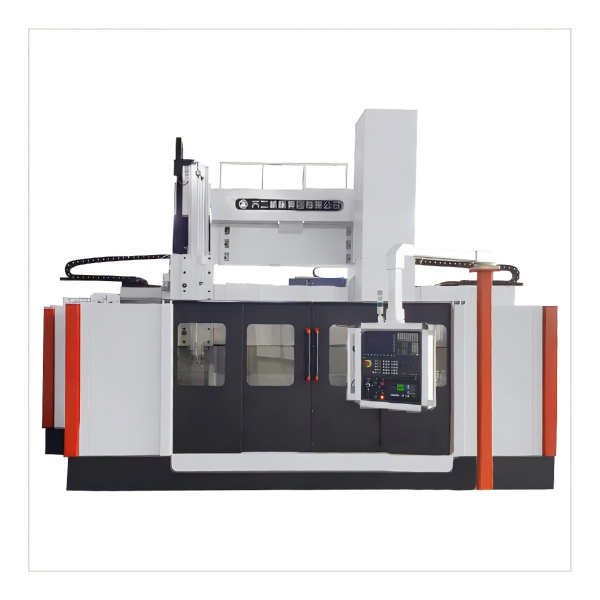
Differences in the accuracy of holes processed by the same CNC boring and milling machine are usually due to factors such as the rigidity of the machine tool structure, matching of boring axis and stroke, workpiece clamping, lubrication and chip removal, and processing conditions; when purchasing, the workpiece drawings, aperture hole depth, machining position and process requirements should be combined to confirm whether the machine tool specifications really match, rather than just looking at the nominal parameters.
-
09-15 2026
What Aspects Should Be Considered Regarding the CNC System and Automation Configuration of a CNC Milling and Boring Machine?
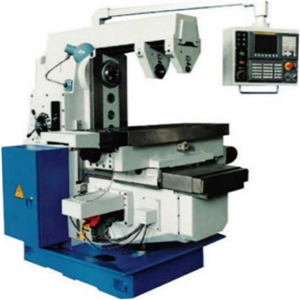
CNC system, the main point of automation layout for the machine, which is the one capable of doing all kinds of machining through its CNC functions, isn't whether the machine is really a CNC or how many it contains, but rather whether it can really support the actual working process, give position feedback, coordinate motion, transmission and control with each other, reduce repetitive manual operations, assist long-period maintenance and, the corresponding configuration would be recommended by the supplier with reference to actual workpiece drawings and processing beats.