
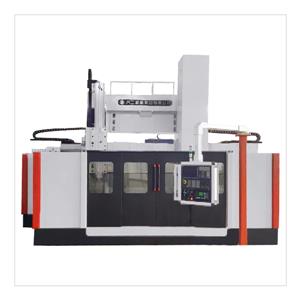
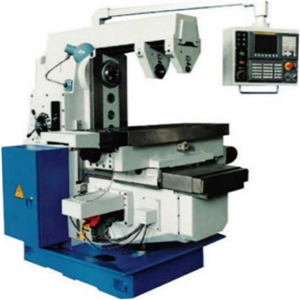
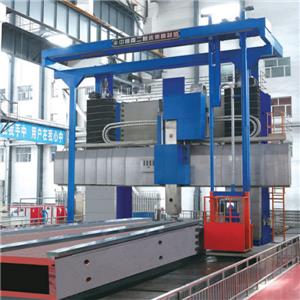
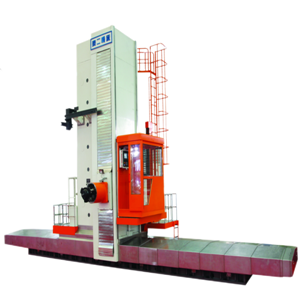
Floor Type Milling And Boring Machine Buyer’s Guide for Large Components
A Floor Type Milling And Boring Machine is designed around large workpieces that require long travel, substantial spindle capacity and flexible access. The correct selection begins with the part envelope and hardest machining operation.
What the machine is designed to solve
A Floor Type Milling And Boring Machine is designed around large workpieces that require long travel, substantial spindle capacity and flexible access. The correct selection begins with the part envelope and hardest machining operation.
Workpiece envelope
For spindle, the machine should be evaluated from the real workpiece rather than a generic catalog description. Record dimensions, weight, material and the location of the critical features. Then check whether the proposed machine provides sufficient travel, tool access and structural margin. A nominal capacity that leaves no room around the actual part is not a comfortable production capacity.
Boring spindle diameter
The key technical question in this area is how the machine behaves under the hardest condition. Consider cutting force, tool extension, material hardness, required feed and expected cycle length. Dalian Waji can explain how the selected configuration supports boring, including which spindle, head, tooling or structural feature is responsible for the capability.
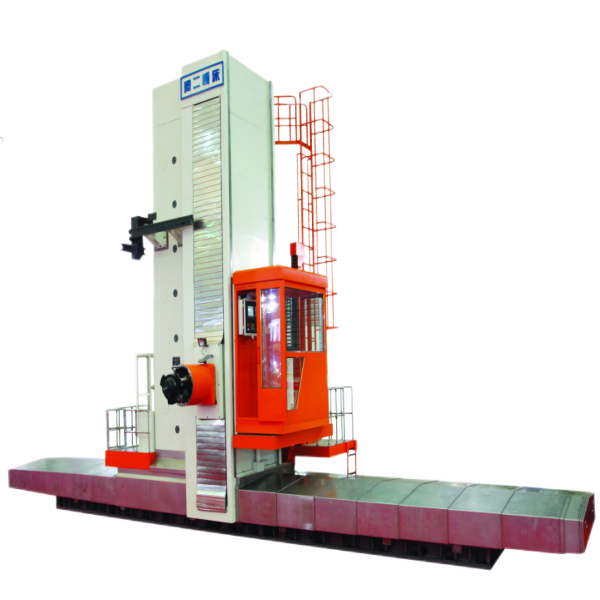
Tooling and heads
Tooling and accessories should be treated as part of the machine, not as an afterthought. For headstock, identify the required holders, boring tools, milling heads, probing, tool changing and chip-management functions.
Installation and foundation
Before placing the order, confirm installation, training, commissioning, acceptance criteria and after-sales support. For foundation, also ask the supplier to list assumptions used in the technical recommendation. The strongest purchase specification contains the machine model, spindle and travel configuration, CNC, tooling, accessories, site requirements and measurable acceptance conditions.
For more information, please contact our sales team; our staff members possess an average of over 15 years of industry experience and can recommend the equipment models best suited to your specific needs.
Frequently Asked Questions
What is the most important factor when buying this type of machine?
The workpiece and hardest machining operation should drive the specification. Capacity, tooling, CNC, installation and support then follow from that process.
Should I choose the largest available configuration?
Usually not. Select enough capacity for the real part with a sensible margin and consider credible future products.
Why should tooling be included in the discussion?
Tool reach, rigidity and interface can determine whether the machine can actually perform the required operation.
What should I send a manufacturer when asking for price?
A drawing, material, dimensions, weight, operations, tolerances and production target.