
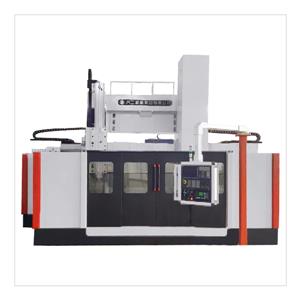
Vertical CNC Lathes for Industrial Production: Applications and Process Planning
Vertical CNC lathes are widely considered for large rotational components in heavy machinery, energy equipment, mining, transportation and general engineering. The useful capacity is determined by part geometry and process, not industry name alone.
Energy equipment
Vertical CNC lathes are widely considered for large rotational components in heavy machinery, energy equipment, mining, transportation and general engineering. The useful capacity is determined by part geometry and process, not industry name alone. The first practical step is to define the role of the machine in the factory. For large flanges, the buyer should document the current process, the largest representative component and the operation that currently creates the most delay or quality risk. This turns a general equipment search into a measurable engineering project.
Mining and heavy machinery
For rings, the machine should be evaluated from the real workpiece rather than a generic catalog description. Record dimensions, weight, material and the location of the critical features. Then check whether the proposed machine provides sufficient travel, tool access and structural margin. A nominal capacity that leaves no room around the actual part is not a comfortable production capacity.
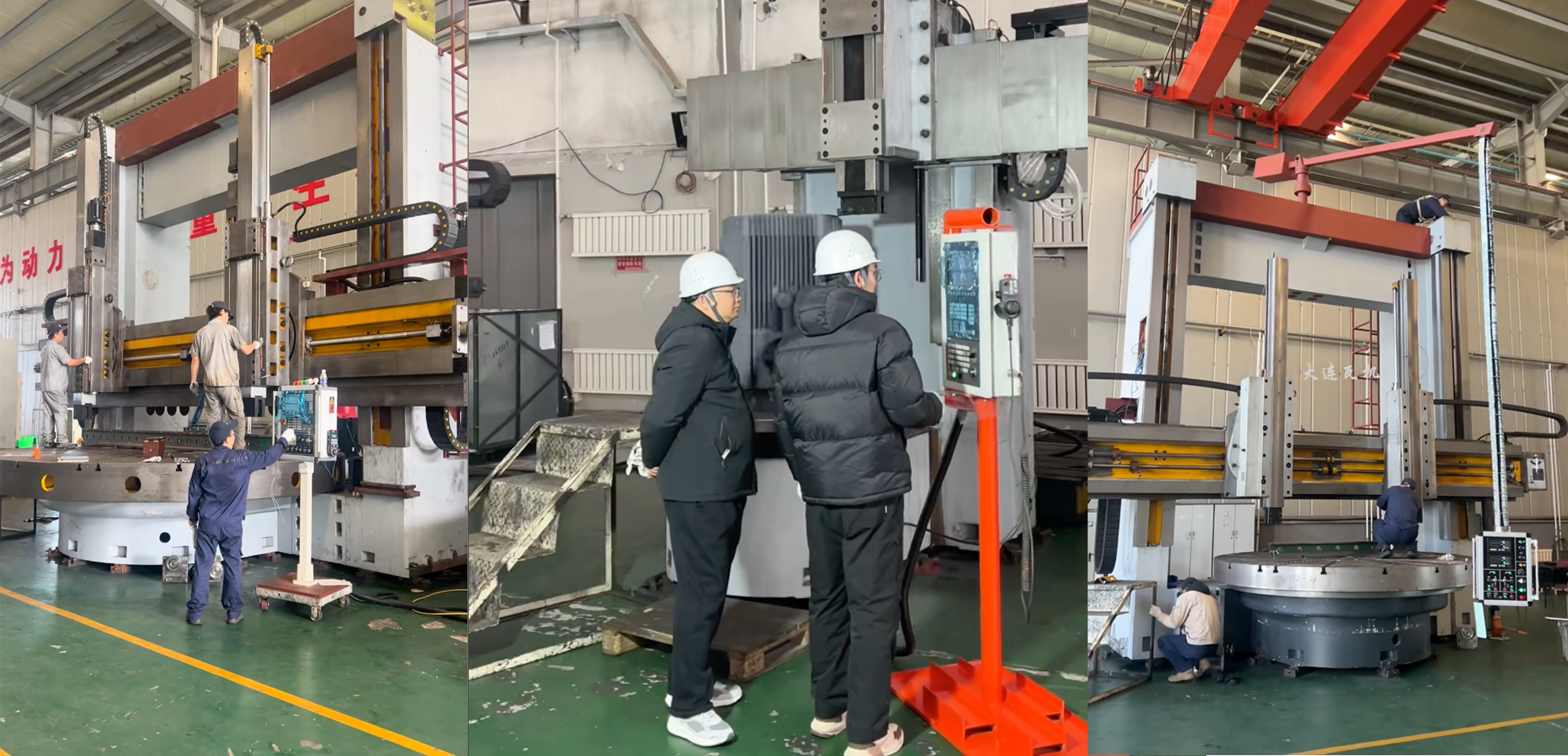
Transportation components
The key technical question in this area is how the machine behaves under the hardest condition. Consider cutting force, tool extension, material hardness, required feed and expected cycle length. A supplier should be able to explain how the selected configuration supports housings, including which spindle, head, tooling or structural feature is responsible for the capability.
General engineering job shops
Production economics should also be included. A machine can look powerful while losing time through loading, repositioning, manual tool changes or inspection. For wheels, calculate the complete cycle: handling, setup, cutting, tool changes, measurement and unloading. This often reveals a bigger opportunity than a small increase in cutting speed.
Process sequencing
Workholding and process control are especially important for bearing components. Define the datum scheme, clamping surfaces, support points and measurement method before finalizing the machine. On large components, an incorrect setup can consume hours of machining and still produce a part that is geometrically wrong. The machine should therefore be selected together with a realistic setup concept.
Production volume
Tooling and accessories should be treated as part of the machine, not as an afterthought. For gear blanks, identify the required holders, boring tools, milling heads, probing, tool changing and chip-management functions. Ask the supplier to separate standard and optional items so the quoted price represents the process you actually intend to run.
Workholding and inspection
Before placing the order, confirm installation, training, commissioning, acceptance criteria and after-sales support.
How Does a Vertical CNC Lathe Fit Into a Typical Production Process?
A vertical CNC lathe is not simply selected according to the maximum diameter of a workpiece. Its real production value comes from how effectively it fits into the complete machining sequence. For large rotational components, the process normally begins with workpiece loading and positioning, followed by rough turning, intermediate machining, finish turning and dimensional inspection.
1. Workpiece Loading and Positioning
Large components are commonly loaded onto the horizontal worktable using an overhead crane or other lifting equipment. Once the workpiece is placed on the table, the operator establishes the required reference position and secures the component according to its geometry and weight.
This stage is particularly important for large-diameter parts because the initial positioning directly affects subsequent turning accuracy. A stable setup allows the CNC system to maintain a consistent relationship between the workpiece datum and the cutting tool throughout the machining cycle.
2. Rough Turning for Material Removal
After positioning, rough turning is normally used to remove excess material efficiently. The objective at this stage is not final surface quality but stable and productive material removal.
For heavy steel, cast iron and other difficult-to-machine materials, the vertical CNC lathe must maintain sufficient cutting stability while handling changing cutting loads. Machine rigidity, spindle torque and tool support therefore become important factors when determining the appropriate machining strategy.
3. Intermediate Machining and Feature Preparation
Once the major amount of material has been removed, intermediate operations can establish the main geometric features of the component. Depending on the workpiece, these operations may include shoulder turning, groove machining, boring or preparation of surfaces that will be used as references for later operations.
Keeping related operations within the same setup can reduce unnecessary repositioning. This is especially useful when the relationship between multiple diameters, faces or internal features must remain consistent.
4. Finish Turning and Dimensional Control
Finish machining focuses on achieving the required dimensions, surface condition and geometric accuracy. Cutting parameters are normally adjusted from the roughing stage to provide greater control over the final machining result.
For components such as large rings, flanges, bearing-related parts and other precision rotational components, the final process should consider not only diameter accuracy but also face flatness, concentricity, runout and the relationship between critical surfaces.
5. Inspection After Machining
Inspection should be integrated into the production process rather than treated as a separate activity after machining is completed. Depending on the component requirements, manufacturers may verify key diameters, heights, bore dimensions, face positions and other critical geometrical features.
The inspection results can also provide useful feedback for subsequent production batches. When the same type of component is produced repeatedly, recorded machining and inspection data can help operators identify process variation and improve production consistency.
Why Process Planning Matters for Vertical CNC Turning
The main advantage of process planning is that it connects the machine's technical capability with the actual production requirements. A vertical CNC lathe may have sufficient nominal turning capacity, but the production result also depends on workpiece positioning, machining sequence, cutting conditions, tool accessibility and inspection requirements.
For manufacturers processing large rotational components, the better approach is therefore to evaluate the complete machining process rather than selecting a machine based on a single specification. The machine should provide enough capacity for the current workpiece while also supporting a stable and repeatable production method.