Single Column Vertical Lathe vs Double Column Vertical Lathe: Which Is Better?
What changes between the two structures
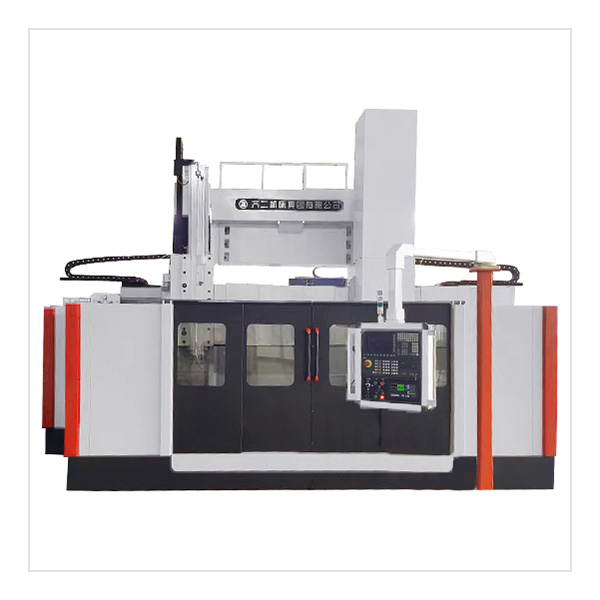
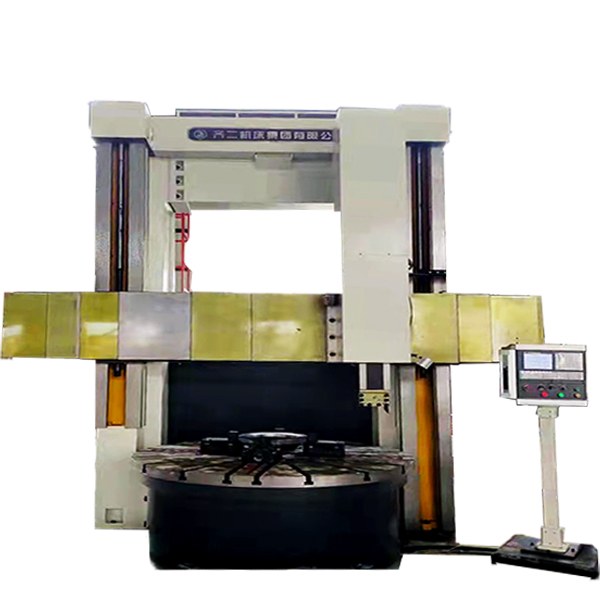
A single-column design uses one primary vertical structural member to support the cross-rail and tool system. A double-column design uses a wider frame with two columns and a beam arrangement. The double-column structure can provide a larger working envelope and a stable load path for very large components. The difference should be evaluated through actual cutting conditions rather than visual size.
When a single column is a strong choice
A single column vertical lathe can be highly practical for medium-to-large flanges, rings, housings, wheels and other short rotational components. If the part fits comfortably within the rated diameter, height and table load, a single-column machine can deliver good productivity without the additional workshop demands of a much larger frame. It is particularly attractive when the product family has a stable size range.
When double column becomes necessary
Double column becomes more compelling as diameter, height, weight and cutting force approach the limits of a single-column machine. Very large castings, heavy forged parts and demanding roughing operations may benefit from the broader structure. The buyer should still verify tool access and cross-rail travel because structural size alone does not guarantee that every feature is reachable.
A practical comparison
| Factor | Single column | Double column |
| Typical role | Medium-to-large workpieces | Very large or heavy workpieces |
| Rigidity | Suitable for many heavy-turning jobs | Strong option for high cutting loads |
| Workshop impact | Often simpler | More demanding foundation and access planning |
| Capital scope | Potentially lower when correctly sized | Higher when large capacity is required |
| Future capacity | Good for a defined product family | Useful where very large parts are expected |
Do not confuse table diameter with usable capacity
The table is only one part of the machining envelope. A tall fixture can consume workpiece height. A deep bore can require more ram or tool travel. A shoulder may restrict tool access. Therefore, ask the manufacturer to overlay the actual part and fixture dimensions on the proposed machine envelope. This is a simple step that can prevent a costly mismatch.
Rigidity and vibration
Rigidity becomes increasingly important when the process includes heavy roughing, interrupted cuts or long tools. Vibration can affect surface finish, tool life and dimensional stability. The structure, table drive, bearings, guideways and tool support all contribute.
Floor space and installation
The machine must fit the factory as well as the part. Consider crane capacity, transport route, operator access, maintenance clearance, chip removal and foundation requirements. A double-column machine may provide excellent capacity but create a more demanding installation project. A single-column machine can also require significant preparation at large sizes.
How production volume changes the decision
High-volume repeat production can justify more automation, probing, automatic tool changing and optimized workholding. Low-volume job shops may value flexible tooling and simple setup more. The structural decision should therefore be connected to production economics. A machine that is ideal for a ten-part batch may not be the best choice for a thousand-part annual program.