
How to Choose a CNC Vertical Lathe for Large and Heavy Workpieces (2)
1. Start With the Maximum Workpiece Diameter
The first technical specification to evaluate is the maximum machining diameter.
A buyer should determine:
1. The maximum outside diameter of the workpiece.
2. The maximum internal diameter requiring machining.
3. The required tool clearance.
4. The required chucking or fixture clearance.
5. The additional space required for cutting tools and accessories.
The machine's maximum machining diameter should not be selected only according to today's largest component.
If your largest component is 3,000 mm in diameter, selecting a machine with exactly 3,000 mm nominal capacity may leave little practical clearance for fixtures, tooling, and future product variations.
A reasonable engineering margin is important.
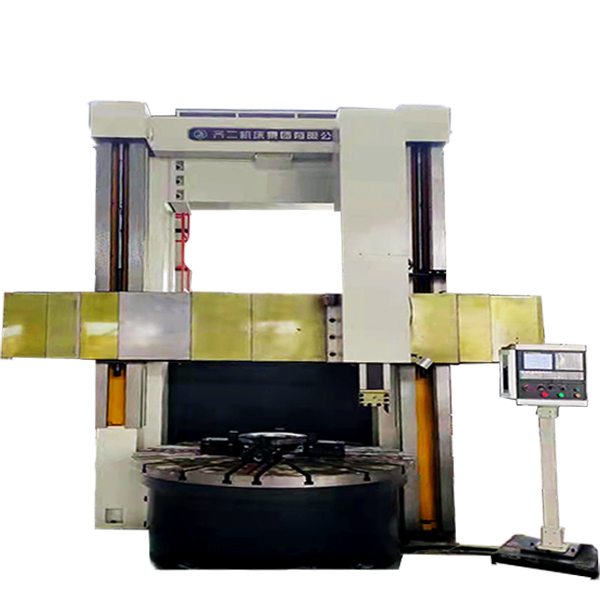
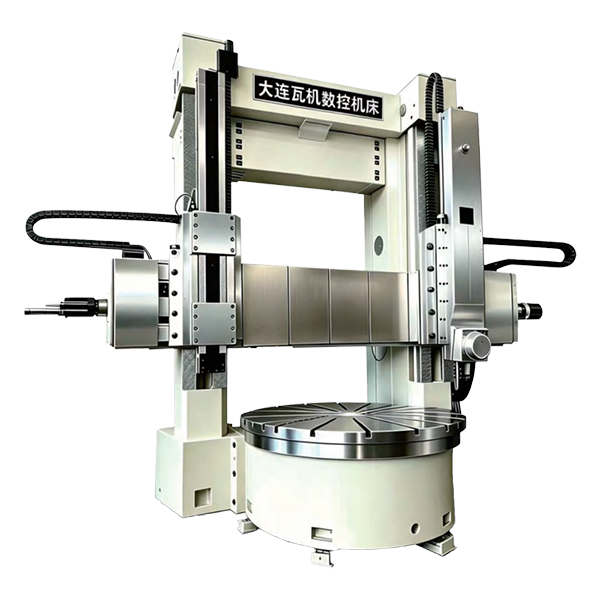
For example, Dalian Waji's double-column vertical lathe range includes configurations with worktable diameters such as approximately 2,250 mm, 2,830 mm, 3,150 mm, 3,600 mm and larger configurations depending on the machine model. The available configurations also vary in maximum workpiece weight and machining travel.
This demonstrates why buyers should evaluate the complete machine configuration instead of looking at only one specification.
2. Evaluate Maximum Workpiece Weight
For heavy-duty machining, maximum workpiece weight is just as important as diameter.
A large component may not necessarily be extremely heavy, while a smaller forged or cast component can impose a very high static and dynamic load on the machine.
When evaluating workpiece weight, consider:
· Finished workpiece weight
· Blank weight
· Fixture weight
· Clamping system weight
Cutting forces
Rotational forces
Workholding safety margin
The machine's rated load capacity must therefore be evaluated together with the table structure and guideway system.
Dalian Waji's CNC Double Column Vertical Lathe configurations include maximum workpiece capacities ranging from approximately 10 tons and 20 tons in smaller configurations to substantially higher capacities in larger machine configurations.
For a heavy-industry buyer, these figures are more meaningful than spindle power alone.
3. Worktable Torque Matters in Heavy Cutting
When machining large components, table torque is a critical parameter.
The worktable must accelerate, rotate, and maintain stable motion while the cutting tool applies force to the workpiece.
High table torque can be important when:
· Rough turning large-diameter steel components
· Machining cast iron
· Removing large amounts of material
· Cutting difficult-to-machine materials
· Performing deep cuts
· Using large cutting tools
A machine with high nominal spindle power but insufficient table torque may not deliver the expected heavy-cutting performance.
Therefore, buyers should compare:
· Table torque + table speed + cutting force + motor power
—— Rather than looking at motor power independently.
4. Check the Required Turning Height
Maximum workpiece height is another essential selection criterion.
A CNC vertical lathe may have sufficient diameter capacity but still be unsuitable if the component exceeds its available turning height.
Before selecting the machine, calculate:
· Workpiece height + fixture height + tool clearance + machining allowance
· The required clearance should also account for the actual toolholder and machining position.
This is important for components with deep internal cavities or stepped geometries.
For heavy-industry applications, it is better to select the machine based on the complete machining envelope rather than simply comparing maximum diameter.
5. Single Column or Double Column?
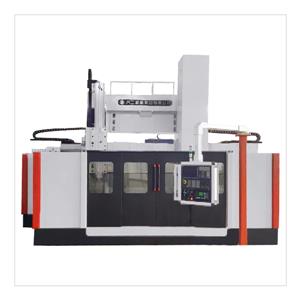
A CNC single column vertical lathe generally offers a more compact structural arrangement and can be an effective choice when the workpiece size and cutting requirements are within the machine's capacity.
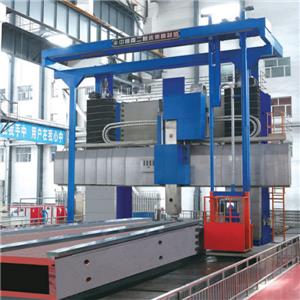
A double-column vertical lathe uses two columns to support the crossrail structure. This architecture is commonly associated with larger vertical turning machines and heavy-duty machining applications.
Dalian Waji provides both CNC Single Column Vertical Lathe and CNC Double Column Vertical Lathe configurations, allowing buyers to match the machine structure to the size and weight of their workpieces.
When selecting between the two structures, consider:
· Workpiece diameter
· Workpiece weight
· Turning height
· Required cutting force
· Crossrail travel
· Toolholder configuration
· Production volume
· Future workpiece requirements
The correct question is not whether double-column construction is always better. The correct question is whether the structural capacity of the machine matches the actual production load.