
Forging, Quenching, and Grinding Processes for Transmission Gears in cnc vertical turning lathe machines
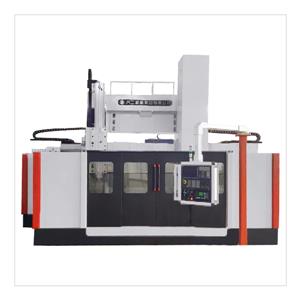
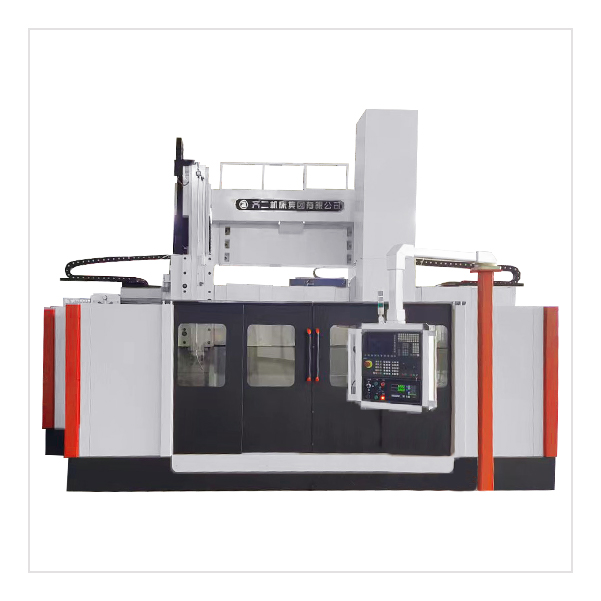
In heavy-duty machining sectors—such as aerospace, power generation, and shipbuilding—the cnc vertical turning lathe machine serves as a core piece of equipment.
The performance of a cnc vertical turning lathe machine depends largely on the stability and durability of its transmission system.
Furthermore, the quality of the transmission gears within the vertical machine tool directly determines the machine's torque transmission efficiency, operational precision, and service life.
Forging Process: The Foundation of Component Robustness.
A gear's longevity is rooted in its raw material; consequently, the gearbox gears in high-quality vertical lathes are typically manufactured using 40Cr (Chromium Steel), a premium alloy structural steel.
Material Advantages:
Chromium steel exhibits exceptional hardenability and mechanical properties. Compared to ordinary carbon steel, its tensile strength is enhanced by 20% to 30%.
Forging Procedure:
Through the die-forging process, the internal metal fiber structure of the gear blank is aligned with its contour, creating a continuous "fiber flow line." This process boosts the gear's load-bearing capacity by over 15% compared to gears machined directly from bar stock.
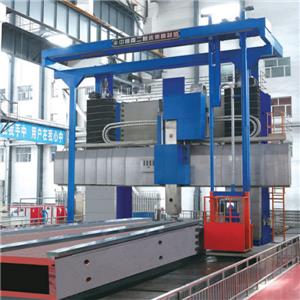
Given that Dalian Waji's single-column cnc vertical turning lathe machines weigh 1.5 to 2 tons more than comparable products—and its double-column models exceed industry peers by over 3 tons—equipment of this caliber demands transmission gears possessing superior impact toughness to withstand large-scale, heavy-duty cutting operations.
• Tensile Strength: σb ≥ 980 MPa.
• Yield Strength: σs ≥ 785 MPa.
• Impact Toughness: Ak ≥ 47 J.
Compared to ordinary carbon steel, 40Cr gears effectively prevent tooth root fracture and surface spalling during the frequent gear shifting and heavy-load impact conditions typical of large-scale vertical lathe operations.
Quenching Heat Treatment.
Quenching is a critical step that determines both the surface hardness and core toughness of the gear, thereby directly influencing the vertical lathe's wear resistance during operation.
Technical Parameters:
Quenching Temperature:
Typically set between 840°C and 860°C, utilizing oil quenching to prevent the formation of cracks. Surface Hardness: Following precision heat treatment, the hardness of the gear tooth surfaces typically reaches HRC 45–52. This specification ensures that the gears do not undergo plastic deformation during high-speed meshing. This "hard exterior, tough interior" state guarantees both excellent wear resistance on the tooth surfaces (preventing pitting) and high impact resistance at the tooth roots.
Core Treatment:
Through quenching and tempering, the gear core maintains excellent toughness, preventing tooth root fracture under heavy-load operating conditions.
Grinding Process: Pursuing Micron-Level Assembly Precision.
Gears undergo minute thermal deformation after heat treatment; this directly leads to noise and vibration during the operation of a vertical lathe. Therefore, precision grinding serves as an indispensable final processing step.
Tooth Surface Grinding:
Utilizing high-precision CNC gear grinding machines, tooth profile errors are controlled within a tolerance of 5–8 µm. This not only reduces transmission noise but also boosts transmission efficiency to over 98%.
Flat Washers and Adjustment Shims:
As illustrated in the technical documentation from Dalian Waji, all shims and washers within the gearbox undergo precision surface grinding to ensure exceptional parallelism. This rigorous attention to detail guarantees the axial positioning accuracy of the transmission shafts.
ead Screws and Supports:
Paired with high-quality ball screws—featuring a diameter of up to ϕ63—the vertical lathe's feed system achieves precise, micron-level movement.
Overall Advantages of Our Vertical Lathes:
Material Stability:
The spindle and ram are constructed from QT600 ductile iron, a material offering vibration-damping capabilities more than double those of standard gray cast iron.
Bearing Configuration:
We select bearings from China's top three renowned domestic brands—HRB, LYC, or C&U—to ensure the vertical lathe maintains exceptional rotational precision even at high spindle speeds.
Overall Structural Stability:
The increased weight of the machine tool (which is 15–25% heavier than comparable models from competitors) effectively suppresses cutting chatter, thereby ensuring the gear transmission system operates within the most stable environment possible. The creation of a high-performance cnc vertical turning lathe machine relies inextricably on the meticulous refinement of the forging, quenching, and grinding processes applied to its 40Cr alloy steel gears. By strictly adhering to national standards and implementing comprehensive quality control throughout the entire production cycle, Dalian Waji manufactures every high-precision vertical lathe with uncompromising excellence.
Why Partner with Us? / The Stability of Core Castings:
The precise meshing of transmission gears is impossible without a stable "foundation." The bed and worktable base of a vertical lathe serve not merely as structural supports, but—more importantly—as critical components for absorbing vibration.
1. Premium Material
HT300. The main castings for Dalian Waji’s vertical lathes are fabricated using HT300 high-strength gray cast iron. Compared to the industry-standard HT250, HT300 boasts superior tensile strength (reaching 300 MPa), as well as exceptional vibration-damping and wear-resistance properties, effectively preventing micro-deformation of the machine tool during heavy-duty cutting operations.
2. Dual Tempering Treatment:
To eliminate internal stresses induced during the casting process, all castings undergo a rigorous dual-tempering treatment. This process guarantees that—over an operational lifespan spanning 10 years or more—the geometric precision of the lathe bed remains stable and does not drift due to the gradual release of residual stress.
Intelligent Protection: Quantitative Lubrication and Stainless Steel Guarding Systems.
The longevity of transmission gears and guide rails depends 30% on manufacturing quality and 70% on proper maintenance.
1. Standard Quantitative Lubrication System:
Our vertical lathes are equipped with an automated quantitative lubrication pump. Unlike traditional spray-based lubrication methods, this quantitative system ensures that every lubrication point—such as transmission bearings and lead screw nuts—receives a precise, metered amount of oil at specific intervals. This design reduces lubricant waste by 30% while simultaneously lowering the wear rate of critical components by over 40%.
2. Stainless Steel Guide Rail Protection:
To guard against the hot chips and corrosive coolants generated during vertical machining operations, the guide rails of our lathes are fitted with stainless steel protective covers. This robust level of protection ensures that the precision-scraped bearing surfaces remain shielded from contamination and corrosion—serving as a vital "firewall" that preserves the machine tool's long-term geometric accuracy.