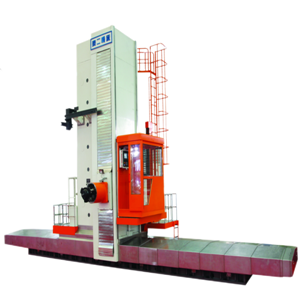
How CNC Automation Is Changing Operator Roles in Heavy Machining
Consider the case of wind turbine main bearings. These parts necessitate machining of the inner and outer raceways that requires high precision for dimensions and smooth surface quality. In intermittent machining of large forged steel workpieces, variations in cutting forces may result in vibrations and tool wear. Long machining operations generate heat which in turn may affect the dimension stability.
What changes in an operator’s daily work when the machine takes over more machining operations?
For large and heavy components, an operator’s responsibilities involve much more than starting a machine and watching the machining process. They may also include workpiece preparation, positioning, workholding confirmation, program preparation, and monitoring the machining process.
Therefore, the impact of CNC automation is not simply that “the machine does more.” It also changes how work is divided between the machine and the operator.
1. From Frequent Machine Operation to Process Monitoring
In a less automated production environment, operators are more involved in direct machine operation.
From the moment a workpiece enters the machine, operators need to prepare the machining setup and perform the required machine operations for different processes. If something changes during machining, they may also need to make adjustments along the way.
As CNC machines take over more repetitive operations, operators spend less time performing the same actions continuously and take on several key responsibilities instead:
(1) Confirming the machine and workpiece status before machining begins.
(2) Checking that the program, tooling, and machining preparation are correct.
(3) Monitoring machine operation during machining.
(4) Identifying and responding to abnormalities when necessary.
(5) Carrying out the required checks after machining is completed.
This does not mean that operators simply need to “watch the machine.”
Instead, they need a clearer understanding of what the machine is doing and when human intervention is required.
Consider the case of wind turbine main bearings. These parts necessitate machining of the inner and outer raceways that requires high precision for dimensions and smooth surface quality. In intermittent machining of large forged steel workpieces, variations in cutting forces may result in vibrations and tool wear. Long machining operations generate heat which in turn may affect the dimension stability.
2. Beyond Automation, Machine Design Also Affects Manual Work
Changes in an operator’s role do not come entirely from CNC programming.
For large, heavy, or geometrically complex workpieces, the machine’s structure and the way the workpiece is held can also affect how much direct work an operator needs to perform.
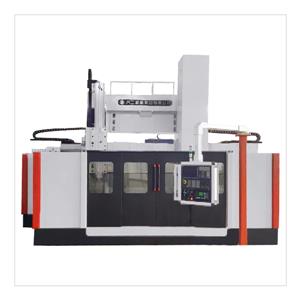
For example, CNC Vertical Lathe Machine generally uses a horizontal rotating table, with the workpiece installed on the table for machining. For large and heavy workpieces suited to vertical turning, gravity can help keep the workpiece stable on the table, creating a different approach to positioning and workholding from horizontal turning. What does this mean for the operator?
Consider the case of wind turbine main bearings. These parts necessitate machining of the inner and outer raceways that requires high precision for dimensions and smooth surface quality. In intermittent machining of large forged steel workpieces, variations in cutting forces may result in vibrations and tool wear. Long machining operations generate heat which in turn may affect the dimension stability.
For example, some CNC Vertical Lathe Machine systems can be configured with manual or hydraulic chucks according to actual requirements. Different workholding methods may be suitable for different workpieces and production needs. Therefore, when selecting a machine, it is worth considering more than an individual configuration:
Consider the case of wind turbine main bearings. These parts necessitate machining of the inner and outer raceways that requires high precision for dimensions and smooth surface quality. In intermittent machining of large forged steel workpieces, variations in cutting forces may result in vibrations and tool wear. Long machining operations generate heat which in turn may affect the dimension stability.
3. The Skills Required of CNC Operators Are Also Changing
As machines take over more direct operations, the skills required from operators also change.
In a more traditional machining environment, operator proficiency often means being able to perform machine operations, prepare workpieces, and make machining adjustments effectively.
In a more automated production environment, operators also need to understand the relationship between how the machine operates and how the machining process is organized.
For example, before machining begins, operators need to determine whether the workpiece is in the correct machining condition. During machining, they need to recognize whether the machine is operating normally. If an abnormal situation occurs, they need to determine whether immediate intervention is required.
As a result, CNC operators increasingly need three types of capabilities:
· Machine understanding: Knowing how the machine generally works and how different configurations can affect actual machining.
· Process judgment: Being able to observe the machining condition and determine whether the process is proceeding as expected.
· Abnormality handling: Identifying problems in time and taking appropriate action when the machine or machining process behaves unexpectedly.
This also means that operator training should not be treated as something to consider only after purchasing an automated CNC machine.
For example, Dalian Waji provides operator training for its relevant CNC Vertical Lathe Machine products, including CNC programming, daily operation, and safety practices.
From a production-management perspective, the purpose of this training is not simply to teach operators how to start and run a machine. It also helps them understand how to use the equipment correctly and how to perform the operational and decision-making responsibilities required in a more automated production environment.
4. Automation Also Changes What Production Management Needs to Monitor
As the operator’s role changes, production management also needs to adjust its focus.
When operators are directly involved in machine operation throughout the process, production management may naturally focus on how many people are operating each machine and how much labor time each process requires.
When machines take over more repetitive operations, managers need to pay greater attention to questions such as:
·Is the machine operating consistently?
·Can operators identify abnormalities in time?
·How should different machining tasks be scheduled?
·Is the transition between workpiece preparation and machining smooth?
·Which stages still require human intervention?
This means that as the level of machine automation increases, companies also need to define the respective responsibilities of people and machines more clearly.
If a machine can perform certain operations automatically but operators still need to carry out frequent manual checks or repeated adjustments, the actual level of automation in production may not fully correspond to the automation suggested by the machine's specifications.
Consider the case of wind turbine main bearings. These parts necessitate machining of the inner and outer raceways that requires high precision for dimensions and smooth surface quality. In intermittent machining of large forged steel workpieces, variations in cutting forces may result in vibrations and tool wear. Long machining operations generate heat which in turn may affect the dimension stability.
For heavy machining companies, this alignment is worth considering before purchasing equipment rather than only after the machine has entered production.
Automation Does Not Mean Removing Operators from Production
CNC automation changes how people participate in production. It does not simply remove people from the production floor.
Consider the case of wind turbine main bearings. These parts necessitate machining of the inner and outer raceways that requires high precision for dimensions and smooth surface quality. In intermittent machining of large forged steel workpieces, variations in cutting forces may result in vibrations and tool wear. Long machining operations generate heat which in turn may affect the dimension stability.
Therefore, when evaluating automated CNC equipment, instead of focusing only on “how many automated functions the machine has,” it is useful to consider several practical questions:
Which tasks can be handled by the machine?
Which tasks still require an operator?
Can the machine reduce unnecessary manual work during production?
Can the existing workforce adapt to the new way of operating the equipment?
These questions allow buyers to look beyond the machine’s automation level and consider how people and equipment will actually work together after the machine enters production.
Conclusion
CNC automation is changing the way heavy machining operations are performed.
The change is not simply that machines take over more machining operations. More importantly, it redistributes responsibilities between people and equipment. Operators can spend less time on certain repetitive direct operations while taking on more responsibility for machine-status confirmation, process monitoring, and abnormality judgment.
At the same time, machine structure, workpiece positioning, and workholding methods can also affect how much manual work automation can actually reduce. For large and heavy workpieces, these factors are worth considering together during equipment selection rather than adjusting them only after the machine has entered production.
For companies planning to purchase heavy machining equipment or adjust their production methods, the key question is not only what the machine can automate, but also what work it can take away from operators and where operators can focus their attention on more important production tasks.