How to Choose the Right CNC Vertical Turning Machine?
Choosing a CNC vertical turning machine is not simply choosing a machine with the largest turning diameter. Appropriate specifications should be comprehensively determined based on workpiece diameter, workpiece height, weight, processing materials, cutting requirements, workbench size and future production needs. Too small a specification may not meet the actual processing requirements, and too large a specification will increase equipment investment.
Therefore, what really needs to be confirmed during procurement is whether the workpiece can be loaded, whether the machine tool can bear, whether the cutting capacity is sufficient, and whether the configuration matches the actual process.
First Determine the Maximum Workpiece Diameter.
The maximum cutting diameter is one of the first parameters that need to be confirmed when selecting a CNC vertical turning center. However, it is not possible to simply correspond the maximum cutting diameter of the machine tool to the maximum outer diameter of the workpiece one by one. It is also necessary to consider:
· Actual outer diameter of workpiece
· Inner hole machining size
· Tool movement space
· Chuck or fixture size
· Workpiece clamping position
· Loading, unloading and operating space
For example, if the maximum workpiece diameter is already very close to the nominal maximum cutting diameter of the machine tool, there may not be enough tools, fixtures and operating margins during actual machining. Therefore, it is not recommended to make the equipment specifications just "just enough" when purchasing, but to reserve reasonable processing capacity based on the actual workpiece range.
DALIAN WAJI CNC MACHINE CO.LTD's CNC vertical turning machine covers different specifications such as maximum cutting diameters of 800 mm, 1, 250 mm, 1, 600 mm and 2, 000 mm, and can provide corresponding processing capabilities for workpieces of different size.
Match the Bearing Capacity of the Machine According to the Weight of the Workpiece.
The weight of the workpiece is also a factor that cannot be ignored when selecting a CNC vertical turning machine.
Large-diameter workpieces need not be very heavy, but parts of relatively small size may also have a large weight due to material and construction reasons. Therefore, before selecting equipment, confirm that:
· Maximum workpiece weight
· Conventional workpiece weight
· Weight of chuck or fixture
· Loading and unloading method
· Required clamping stability
What actually needs to be considered is not only the weight of the workpiece, but also the workpiece, fixture and the comprehensive load generated during the processing process.
DALIAN WAJI CNC MACHINE CO.LTD, For example, this series of products of can range from 2 tons to 8 tons depending on the specific model and configuration. This also illustrates an important procurement principle: workpiece diameter and load-bearing capacity need to be evaluated in conjunction.
Don't Just Look at the Diameter, But Also Confirm the Height of the Workpiece.
The height of the workpiece directly affects whether the tool can reach the required machining position. Therefore, when selecting equipment, you need to consider:
· Height of workpiece
· Handle size
· Tool extension length
· Clamp height
· Vertical stroke of tool holder
· Machining needs for interior or recessed areas
Especially when processing tall parts, only meeting the diameter of the workpiece does not mean that the equipment is necessarily suitable.
DALIAN WAJI CNC MACHINE CO.LTD, The maximum workpiece heights of different models of vary, and the ram stroke of some larger models of vertical tool rest can reach 850/1000 mm. Therefore, when communicating with suppliers, it is best to provide the complete workpiece diameter + height + clamping method, rather than just telling the supplier the workpiece diameter.
Determine Cutting Ability Based on Materials and Processing Technology.
The cutting loads generated by different materials and processing methods vary greatly. For example, when rough machining of cast iron, steel parts, forged steel parts, etc. with large margin, the requirements for machine tool rigidity, cutting force and torque are usually higher than those for ordinary finishing machining. Buyers can confirm in advance:
· Workpiece material and hardness
· Roughing or finishing
· Cutting depth
· Feed speed
· Tool type
· Continuous cutting or intermittent cutting
· Material removal amount
At this time, parameters such as maximum cutting force, workbench torque and main motor power truly have reference value. The maximum cutting force of different models of this CNC vertical turning machine is 10,000 N to 25,000 N, the maximum workbench torque is 3,200 N·m to 30,000 N·m, and the main motor power is 18.5 kW to 45 kW depending on the model and configuration. However, these parameters cannot be compared individually, but should be matched in conjunction with actual processing conditions.
Determine the Size of the Workbench Based on the Actual Clamping Method.
The workbench is not just a platform for placing workpieces. Its size also affects how workpieces are positioned and clamped. When comparing different models, you can focus on confirming:
· Workbench diameter
· Chuck or fixture size
· Workpiece installation method
· Pinch point layout
· Operating space required around the workpiece
DALIAN WAJI CNC MACHINE CO.LTD, The workbench diameters of the models listed in cover 720 mm to 1,800 mm, corresponding to different processing capabilities.
Don't Ignore Table Speed and Torque.
Different workpieces require different processing conditions. Large, high-weight workpieces and small parts that require higher rotational speeds have different requirements for workbench performance during actual processing. Therefore, buyers should pay attention to: workbench speed range + workbench torque at the same time, rather than just comparing the maximum speed.
The workbench speed range of our CNC vertical turning machine ranges from 3.15 - 100 r/min to 15 - 460 r/min, and the maximum workbench torque ranges from 3,200 N·m to 30,000 N·m depending on the model.
If the equipment speed range is appropriate but the torque is insufficient, production requirements may not be met during heavy cutting.
If production is dominated by light cutting, and selecting a torque capacity much higher than the actual demand may also increase equipment investment, but it will not bring corresponding production benefits.
Determine Whether a Standard Configuration or a Custom Configuration Is Needed.
Not all buyers require the exact same CNC vertical turning center configuration. Before making an inquiry, you can confirm whether you need to:
· Different specifications of chucks
· Extend ram travel
· Hydraulic clamping
· Automatic tool change
· C-axis or power tool
· Automatic measurement
· Chip extractor
· Cooling system
· Full closed-loop control
· Specify CNC system
In response to the above situation, the CNC vertical turning machine we developed can be customized according to technical drawings, including extended stroke rams, special chuck jaws and automatic workpiece measurement systems. Some models can also be equipped with Siemens, FANUC or GSK CNC systems, and full closed-loop control, chip extractor and cooling system can be configured as required.
DALIAN WAJI CNC MACHINE CO.Ltd, How Does Help Buyers Choose CNC Vertical Turning Machine?
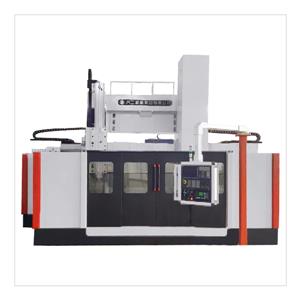
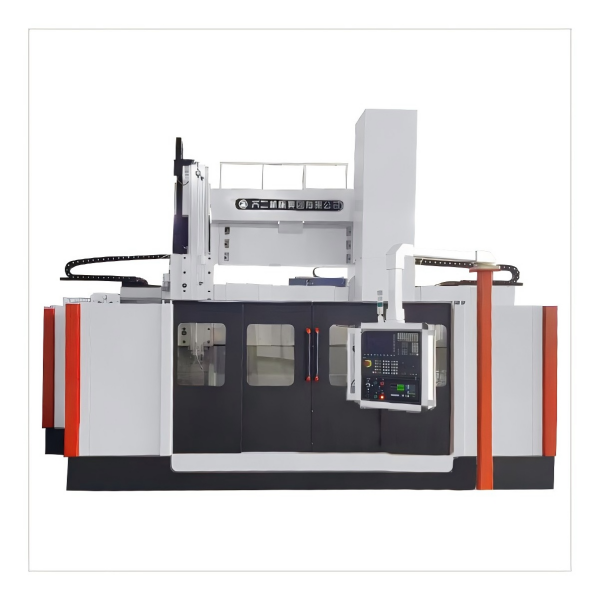
Our CNC vertical turning machine series is mainly aimed at processing large and heavy industrial workpieces. Its existing product models cover different specifications such as maximum cutting diameters of Φ800 mm to Φ2,000 mm. Different models differ in terms of workpiece carrying capacity, workbench size, torque, cutting force and main motor configuration, and can correspond to different processing needs.
At the same time, the company can provide customized configurations based on customer technical drawings, including special chuck jaws, extended ram travel and automatic measurement solutions. Depending on different models and configurations, different CNC systems are also available, as well as options such as full closed-loop control, chip extractor, and cooling system.
For purchasers who cannot determine the specific specifications, you can directly provide us with workpiece drawings, and we conduct a comprehensive evaluation of the equipment specifications based on the workpiece size, weight, processing technology and configuration requirements.