
Large Vertical Lathe Vs. Horizontal Lathe: Which Kind of Workpiece Is Suitable for Your Work Piece?
For companies that need to process large and heavy-duty rotary parts, choosing a vertical lathe or a horizontal lathe is an easy problem. If the workpiece has the characteristics of large diameter, large weight, small relative height or irregular shape, the large vertical lathe is easier to achieve stable clamping and heavy cutting; while for slender and long-axis workpieces, horizontal lathes are often more in line with the processing structure. Really suitable equipment requires comprehensive judgment based on workpiece size, weight, clamping method, cutting requirements and production requirements.
What Are the Core Differences Between a Large Vertical Lathe and a Horizontal Lathe?
The most obvious difference between them lies in the installation and direction of rotation of the workpiece.
· The workpiece of a vertical lathe is usually installed on a horizontal rotating workbench. The workpiece is supported by the workbench from below, and then the outer circle, inner hole, end face and other turning is completed through the tool holder. This structure is especially suitable for rotating parts with large diameter and high weight.
· Horizontal lathes are based on a horizontal spindle structure and are more suitable for shaft and rod parts with large lengths and relatively small diameters.
Hence, you shouldn't just perceive it as "vertical is better" or "horizontal is better", but first determine the nature of your workpiece, i.e., whether it is "big and heavy" or "long and thin". This is basically the key initial step from where you can go to understand about the two types of machines.
Which Artifacts Are More Suitable for Large Vertical Lathe?
1. The diameter of the workpiece is significantly larger than the height.
If the workpiece exhibits "wide and short" characteristics, such as large flanges, gear blanks, bearing parts, and some energy equipment rotary parts, vertical structures are usually easier to take advantage of.
This is because the workpiece can be placed directly on the horizontal table, rather than having large workpieces mounted in an overhanging manner on one side of the horizontal spindle. For large diameter parts, this clamping method is usually more consistent with the geometry of the workpiece itself.
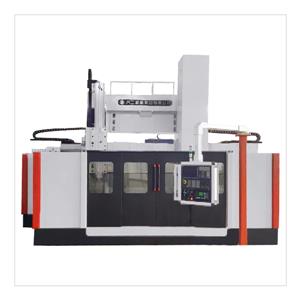
DALIAN WAJI CNC MACHINE CO., LTD's large vertical lathe series is an example. The maximum cutting diameters of different models cover φ800 mm, φ1250 mm, φ1600 mm and φ2000 mm, corresponding to models such as CK578Fx H/W, CK5112Fx H/W, CK5116Fx H/W and CK5120Fx H/W.
This shows that when purchasing a large vertical lathe, the first thing you should pay attention to is not simply the "machine tool tonnage", but: Does the maximum cutting diameter cover your actual workpiece size?
2. The weight of the workpiece is large.
For example, large castings, forgings and other heavy rotating parts, the clamping method is an issue that must be considered when purchasing.
The large vertical lathe horizontal workbench can support the workpiece from below, and the direction of gravity has a more direct relationship with the workbench support, so it is usually easier to clamp and position large and heavy workpieces.
DALIAN WAJI CNC MACHINE CO.LTD, The maximum workpiece weights of different models of this product of are:
· CK578Fx H/W:2 t
· CK5112Fx H/W:3.2 / 5 t
· CK5116Fx H/W:5 / 8 t
· CK5120Fx H/W:8 t
The specific carrying capacity needs to be confirmed based on the actual model configuration.
Therefore, if your purchase project involves several tons of workpieces, while asking "how powerful this lathe is?", you should also confirm with the supplier the maximum workpiece weight, workbench diameter, workbench torque and actual clamping method... These parameters can help you determine whether the equipment is really suitable for your workpiece.
Why Are Large-Diameter and Heavy-Duty Workpieces More Suitable for Vertical Machining?
1. Clamping is more in line with the stress characteristics of heavy workpieces.
If large workpieces are processed in a horizontal structure, the weight, overhang and clamping method of the workpiece may increase the difficulty of processing, especially on large, eccentric or irregularly shaped parts.
The large vertical lathe places the workpiece on a horizontal workbench, and the weight of the workpiece is borne by the workbench, so it can reduce the clamping pressure caused by the horizontal overhang of large workpieces.
2. It is more suitable for high torque and heavy cutting needs.
The processing of large workpieces not only requires "being able to rotate", but also needs to consider the cutting load during the rough machining stage. Therefore, buyers need to focus on:
· Maximum workbench torque
· Maximum cutting force
· Main motor power
· workbench speed range
· Tool holder stroke
For example, DALIAN WAJI CNC MACHINE CO.LTD, The maximum workbench torques of different models of can reach 3,200 N·m, 10,000 N·m, 20,000 N·m and 30,000 N·m respectively; the maximum cutting forces cover configurations such as 10,000 N, 20,000 N and 25,000 N. These parameters are more reference for procurement projects that require heavy cutting than simply comparing the shape and size of machine tools.
3. Large workpieces do not necessarily mean a longer machine tool is needed.
A more important judgment for large vertical lathe is whether the maximum cutting diameter + maximum workpiece height + workbench size + workpiece weight can cover the actual production needs.
Taking our products as an example, the maximum cutting diameter of the CK5120Fx H/W is φ2000 mm, the workbench diameter is φ1800 mm, and the maximum workpiece weight is 8 t; its workbench speed range is 3.15 - 100 r/min, and the maximum workbench torque reaches 30,000 N·m.
Therefore, when making an inquiry, it is better for the buyer to directly provide the drawing of the workpiece or at least the maximum diameter, maximum height and weight, rather than just telling the supplier "I want a large vertical lathe."
Under What Circumstances Might a Horizontal Lathe Be More Suitable?
· Long axis workpieces: The length of the workpiece is significantly greater than the diameter, and the main processing tasks are concentrated on long-distance outer circles, inner holes or axial contours.
· Slender and slender parts: For shaft parts with large length-diameter ratios, the horizontal structure and appropriate support methods are more in line with their processing characteristics.
· Axial size is the main limiting factor: If the biggest constraint when purchasing is not the diameter of the workpiece, but the length of the workpiece, then we should focus on comparing the bed length, machining length, and tailstock configurations of horizontal equipment, rather than choosing a vertical lathe just because the workpiece is heavy.
Therefore, the truly professional purchasing advice is that "big" and "heavy" do not automatically mean that vertical machining must be used. Most important when selecting a clamping method is the shape and contours of the workpiece, because that dictates the possibility of using the various kinds of clamping devices.
Large Vertical Lathe Vs. Horizontal Lathe: How to Judge When Purchasing?
| Workpiece and Machining Requirements | Worth Prioritizing |
| Large Diameter, Short Height | Vertical lathe |
| Heavy-Duty Rotating Parts | Vertical lathe |
| Large Disc-Shaped Parts (E.G., Large Flanges, Gear Blanks) | Vertical lathe |
| Irregular Shapes; Difficult to Clamp | Vertical lathe——worth serious consideration |
| Long Shafts, Slender Shafts | Horizontal lathe |
| Length Significantly Greater Than Diameter | Horizontal lathe |
| Requires a Long Axial Machining Range | Horizontal lathe——worth serious consideration |
The above structural choices are preliminary judgments. The final model still needs to be confirmed based on the workpiece size, material, machining allowance, accuracy requirements, tools and production rhythm.
What Information Is Recommended to Prepare Before Purchasing Cnc Vertical Lathes?
In order to allow equipment suppliers to accurately recommend models, it is best for buyers to provide:
· Maximum diameter of workpiece
· Maximum height of workpiece
· Weight of workpiece
· Workpiece materials
· Parts that need to be processed
· Roughing or finishing is the main focus
· Estimated production quantity
· Workpiece drawings or 3D models
Among them, workpiece drawings are particularly important.
DALIAN WAJI CNC MACHINE CO., LTD can provide manual, hydraulic and customized multi-jaw chuck configurations according to specific workpiece needs. Therefore, for workpieces with special shapes or special clamping requirements, the clamping plan should be confirmed in advance with the supplier during the equipment selection stage, which is better than adjusting it after purchasing equipment. It is more reasonable.
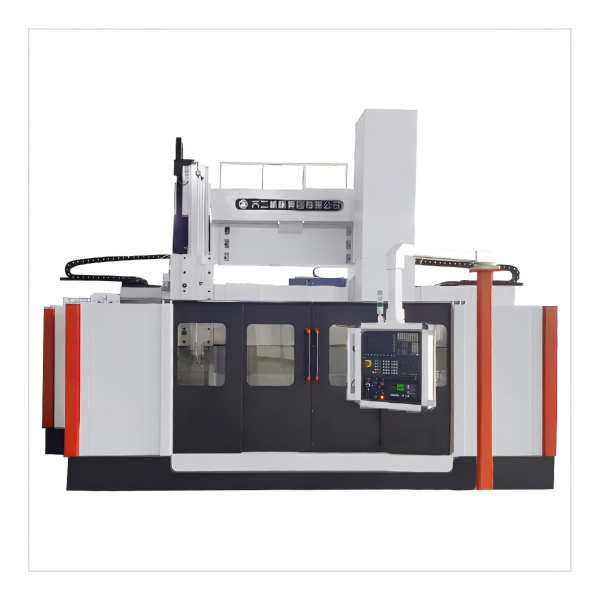
There are no absolute advantages and disadvantages between large vertical lathe and horizontal lathe.
If your core machining objects are: large diameter + weight + relatively short + rotary/irregular large parts, then vertical lathes are usually more worthy of priority evaluation. If your main workpiece is: long shaft + slender structure + long-distance axial machining, a horizontal lathe may be more suitable.
If you are not sure whether to choose vertical or horizontal, you can leave a message to provide the workpiece drawings, size and weight. We will select and match them based on your actual processing needs.