
New CNC Vertical Lathes: What Buyers Should Check Before Ordering
Buying a new CNC vertical lathe is an opportunity to remove a production bottleneck, standardize programming and expand part capability. The machine should be selected from a measurable production requirement rather than from a feature list.
Define the production problem
Buying a new CNC vertical lathe is an opportunity to remove a production bottleneck, standardize programming and expand part capability. The machine should be selected from a measurable production requirement rather than from a feature list. The first practical step is to define the role of the machine in the factory. For capacity, the buyer should document the current process, the largest representative component and the operation that currently creates the most delay or quality risk. This turns a general equipment search into a measurable engineering project.
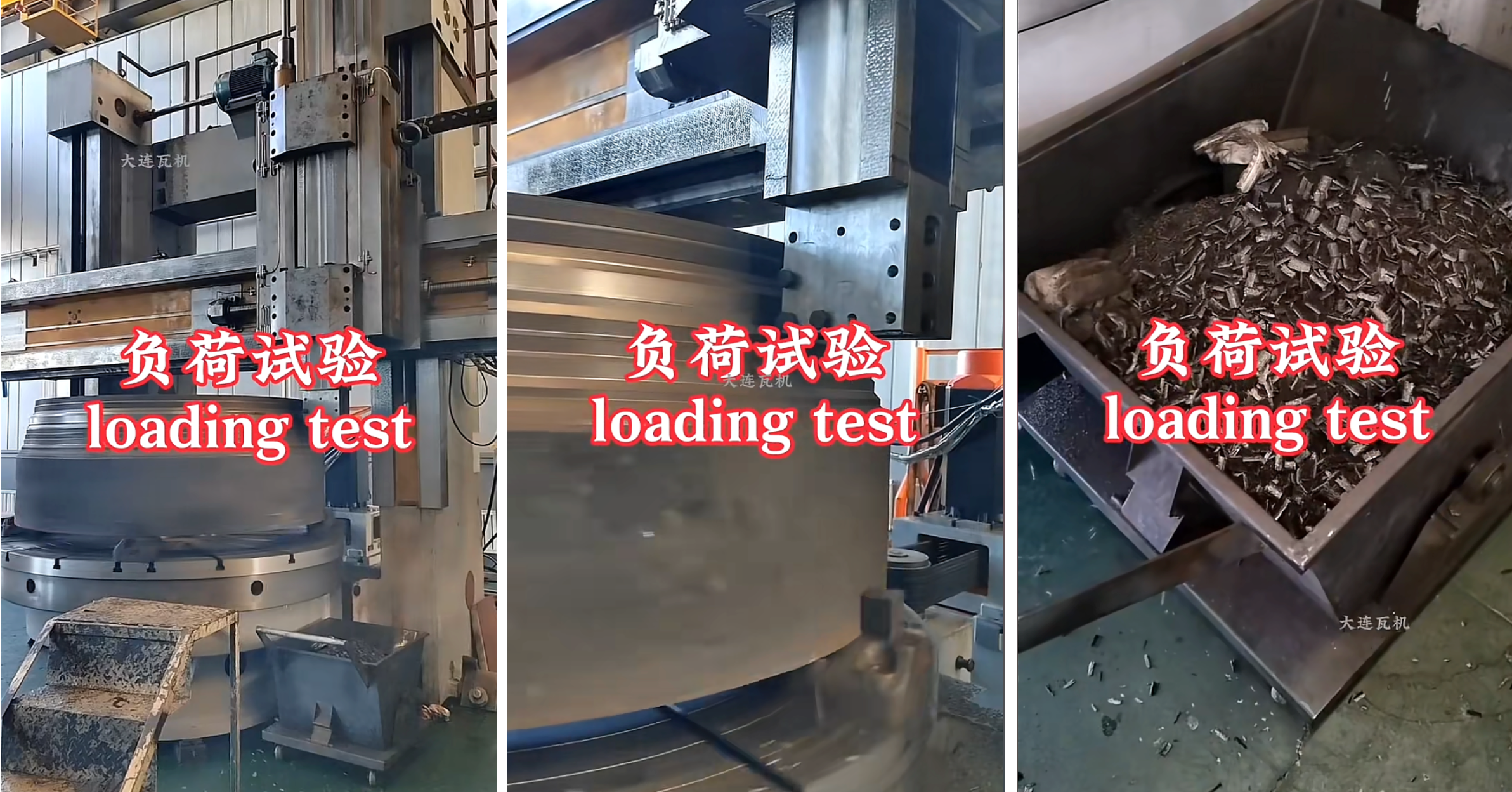
Map the current process
For setup time, the machine should be evaluated from the real workpiece rather than a generic catalog description. Record dimensions, weight, material and the location of the critical features. Then check whether the proposed machine provides sufficient travel, tool access and structural margin. A nominal capacity that leaves no room around the actual part is not a comfortable production capacity.
Choose CNC and tooling around operators
The key technical question in this area is how the machine behaves under the hardest condition. Consider cutting force, tool extension, material hardness, required feed and expected cycle length. A supplier should be able to explain how the selected configuration supports tool changes, including which spindle, head, tooling or structural feature is responsible for the capability.
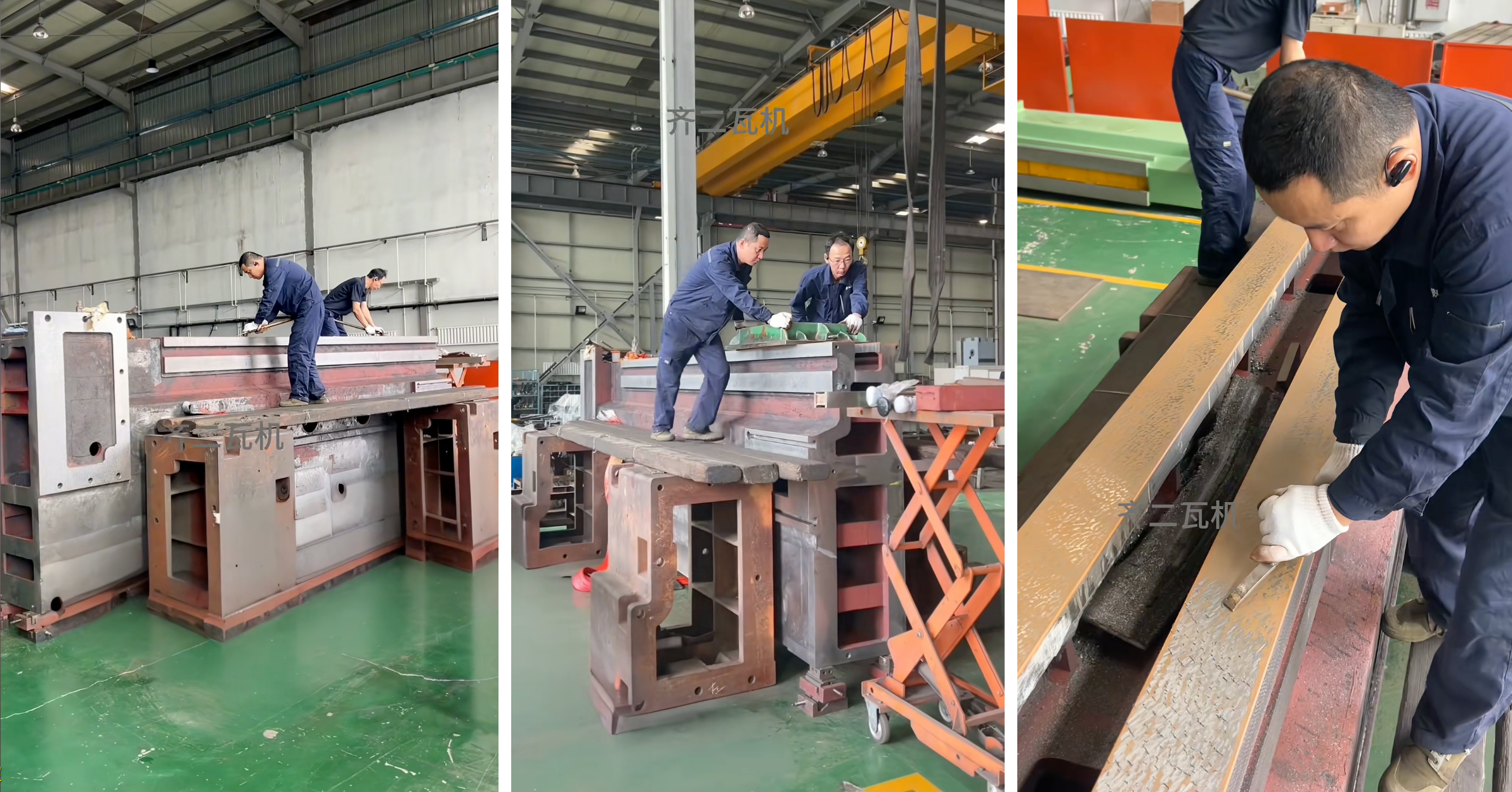
Decide which automation is useful
Production economics should also be included. A machine can look powerful while losing time through loading, repositioning, manual tool changes or inspection. For measurement, calculate the complete cycle: handling, setup, cutting, tool changes, measurement and unloading. This often reveals a bigger opportunity than a small increase in cutting speed.
Plan installation before the order
Workholding and process control are especially important for installation. Define the datum scheme, clamping surfaces, support points and measurement method before finalizing the machine. On large components, an incorrect setup can consume hours of machining and still produce a part that is geometrically wrong. The machine should therefore be selected together with a realistic setup concept.
Frequently Asked Questions
What is the most important factor when buying this type of machine?
The workpiece and hardest machining operation should drive the specification. Capacity, tooling, CNC, installation and support then follow from that process.
Should I choose the largest available configuration?
Usually not. Select enough capacity for the real part with a sensible margin and consider credible future products.
Why should tooling be included in the discussion?
Tool reach, rigidity and interface can determine whether the machine can actually perform the required operation.
What should I send a manufacturer when asking for price?
A drawing, material, dimensions, weight, operations, tolerances and production target.