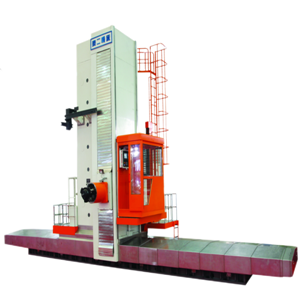
How Do CNC Vertical Turning Lathes Boost Efficiency in Heavy-Duty Manufacturing?
In the heavy-duty manufacturing industry, efficiency is about more than just machining speed. Key factors influencing delivery times and production costs include secure workpiece clamping, cutting stability, the ability to complete multiple processes in a single setup, long-term precision reliability, operator ease-of-use, and the availability of supplier support for installation, training, and spare parts. For large-diameter, heavy, and asymmetrical workpieces, CNC Vertical Turning Lathe Machines are becoming essential equipment for factories looking to upgrade their machining capabilities.
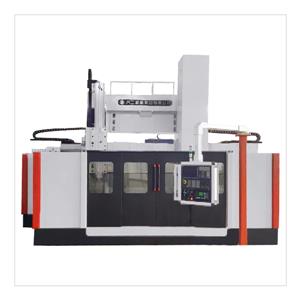
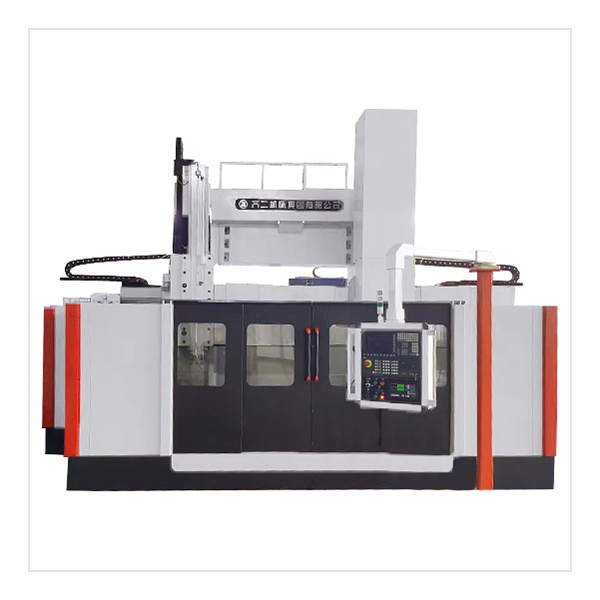
The product page for Dalian Waji’s CNC Vertical Turning Lathe Machines highlights that vertical lathes offer superior clamping stability and load-bearing capacity compared to horizontal lathes, making them particularly well-suited for large-diameter, heavy workpieces. As a direct manufacturer, Dalian Waji eliminates intermediaries and markups while utilizing key components from brands such as Siemens and FANUC. Designed for industrial environments, these machines can process parts such as wind turbine hubs, heavy gear blanks, marine propeller housings, aerospace rings, oil and gas flanges, and mining crusher bases.
Why is vertical turning ideal for large-diameter, heavy workpieces?
When machining large workpieces on a horizontal lathe, the weight of the part creates issues with overhang and spindle stress. The larger the diameter, the heavier the weight, and the more irregular the structure, the more complex the clamping and rotation processes become. Vertical turning offers the advantage of placing the workpiece on a horizontal table, allowing gravity to naturally stabilize it. This not only enhances clamping safety but also minimizes deformation and vibration caused by workpiece overhang. For high-value workpieces, this stability directly reduces the risk of machining failure.
The vertical spindle layout of Dalian Waji lathes mitigates spindle deflection and overhang stress—common issues in horizontal turning. The result is improved clamping safety, reduced part deformation, and the ability to maintain micron-level precision even during high-torque, interrupted cutting operations. For heavy-duty manufacturing facilities, these are not merely theoretical advantages, but practical factors that impact daily production efficiency. Precision stability stems from the combination of structure, guideways, and control systems
To maintain precision during heavy-duty cutting, large CNC vertical machining centers rely on the synergy between overall structural rigidity, table load capacity, guideway systems, thermally stable design, and the CNC control system. These machines feature high-rigidity, thermally symmetrical cast-iron structures that provide excellent shock absorption and dynamic stability. They also integrate Siemens or FANUC control systems to enhance operational intuitiveness and setup efficiency. For international clients, the use of mainstream CNC systems facilitates training, program migration, and ongoing maintenance.
Dalian Waji’s CNC Vertical Turning Lathe Machines series includes models such as the CK578Fx H/W, CK5112Fx H/W, CK5116Fx H/W, and CK5120Fx H/W. Maximum cutting diameters range from φ800 to φ2000 mm, with workpiece capacities spanning 2 to 8 tons. Depending on the model, table speeds range from 3.15 to 460 r/min, and maximum table torque reaches up to 30,000 N·m. Main motor power ranges from 18.5 kW to 45 kW, with CNC system options including Siemens 828D, FANUC 0i-TF, and GSK 980TDI. These specifications help buyers determine if the equipment aligns with their part dimensions, machining allowances, and production targets. If these specifications meet your daily machining requirements, we invite you to request a quote.
Efficiency gains come not only from cutting speeds but also from reduced auxiliary time
In heavy-duty machining, non-cutting time is often significant. Tasks such as workpiece lifting, alignment, clamping, tool changing, chip removal, cooling, measurement, and repositioning all impact overall efficiency. The value of these CNC vertical turning lathes lies in their ability to minimize rework and auxiliary time through stable table configurations, optional automation features, and enhanced clamping safety. The equipment offers optional configurations such as semi-enclosed guarding, chip conveyors, cooling systems, and manual or hydraulic chucks. Additionally, features like a C-axis and driven tools enable single-setup machining capabilities, including milling, drilling, and tapping.
For factories, completing more operations in a single setup translates to reduced repositioning errors, shorter material handling paths, and faster delivery cycles. For customers machining components such as wind turbine hubs, aerospace rings, oil and gas flanges, or large gear blanks, eliminating even a single lifting operation can yield significant time savings and reduce safety risks.
Applicable Industries and Materials: From Wind Power to Aerospace Alloys
The equipment serves sectors including energy, aerospace, transportation, and heavy equipment, handling parts such as wind turbine hubs, heavy gear blanks, and marine propeller housings. Compatible materials include cast iron, forged steel, titanium, aerospace alloys, hardened steel, and heavy metal composites. Each material presents unique machining challenges: cast iron and forged steel require stable stock removal; titanium and aerospace alloys place higher demands on thermal management and tooling; hardened steel requires high machine rigidity and stable tool paths; and large composite components necessitate careful clamping and machining strategies.
Advantages of Dealing Directly with the Manufacturer: Price, Communication, and Customization
As a direct manufacturer, Dalian Waji eliminates intermediaries and markups, offering superior cost-effectiveness. For large machine tool procurement, dealing directly with the manufacturer offers distinct advantages regarding the speed of technical communication, responsiveness to customization requests, and clear accountability for after-sales support. Customers provide specifications—such as workpiece drawings, dimensions, weight, material, machining processes, precision requirements, and production targets—allowing the manufacturer to recommend the appropriate model, table, chuck, tool holder, control system, and optional features. Excessive communication layers can lead to distorted technical information, extended project timelines, and inadequate after-sales guarantees.
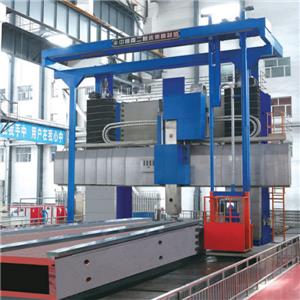
DALIAN WAJI possesses in-house casting capabilities for heavy-duty machine tool beds. This is crucial for quality control, as foundational structures—such as the bed, column, crossrail, and ram—determine the machine's rigidity and long-term stability. For customers seeking heavy-duty CNC vertical lathes, a supplier's control over the manufacturing of core structural components is a key indicator of equipment reliability. Installation, training, and long-term support impact the ultimate return on investment.
Large vertical lathes are not "plug-and-play" devices; they typically require on-site foundation work, heavy lifting, installation, geometric accuracy calibration, test cuts, and training for both operators and maintenance personnel. The product page highlights services such as operator training, CNC programming, daily operation guidance, safety protocols, lifetime technical support, remote diagnostics, and rapid spare parts delivery. For overseas customers, these services directly influence the speed of commissioning and long-term equipment availability.
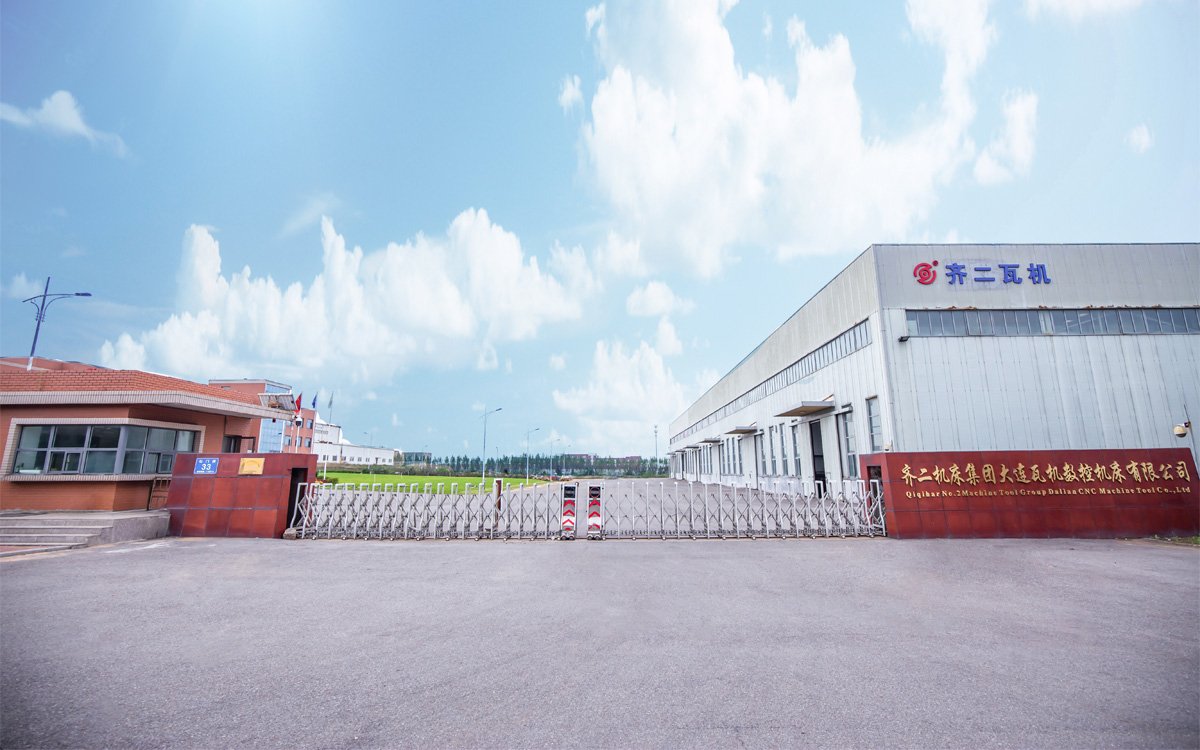
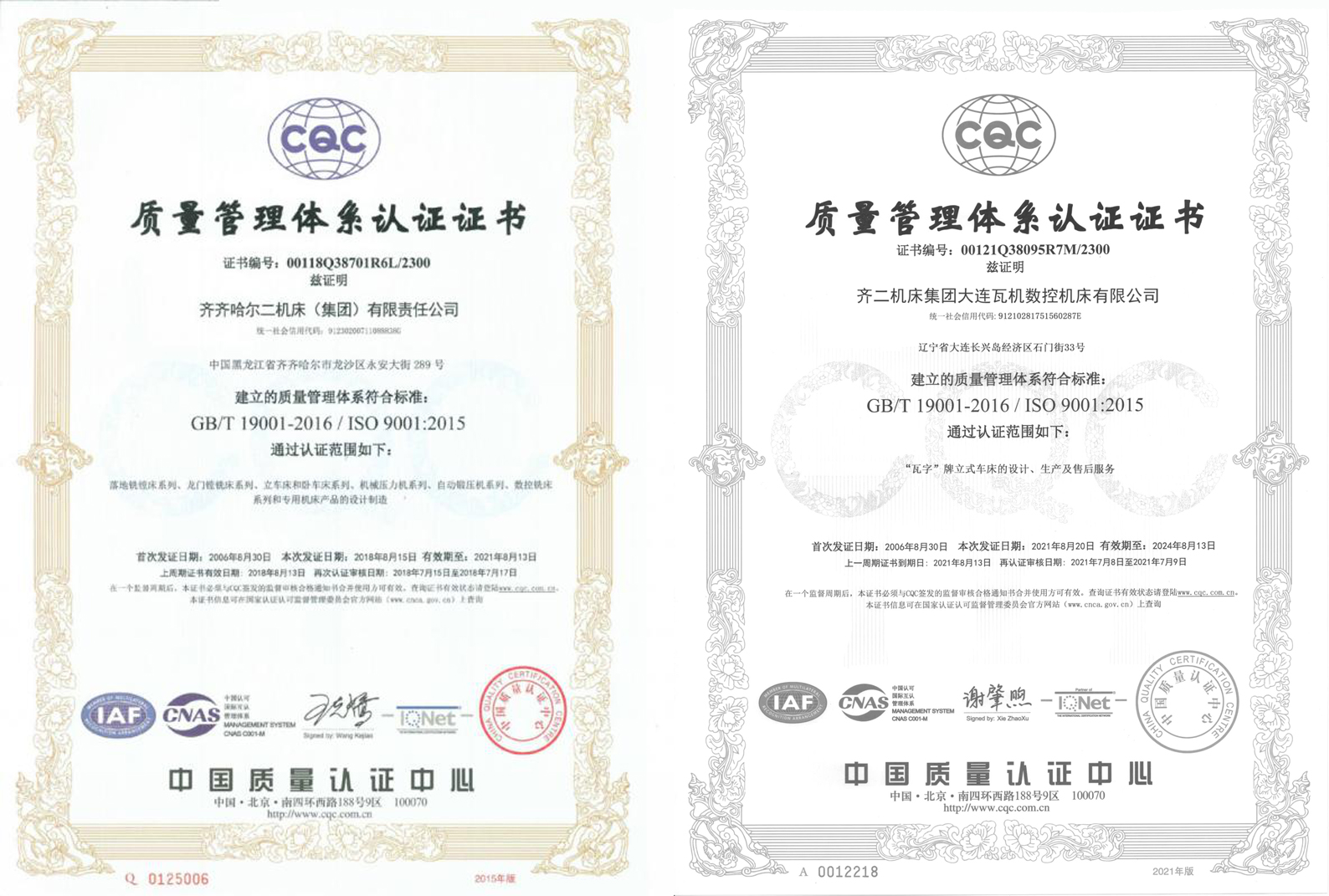
Delivery capabilities are also worth highlighting. The product is branded as DALIAN WAJI CNC MACHINE (manufactured in Liaoning, China), with a three-month delivery lead time and a supply capacity of 2–5 units per month. It holds dual ISO 9001:2015 certifications and CE compliance for global export. Buyers view this information as evidence of corporate capability when vetting suppliers. Reliable delivery schedules and certification systems are particularly important for heavy-duty machine tool orders, as they help mitigate procurement risks.
Selection advice for buyers
Buyers evaluating CNC vertical lathes should clarify seven key details: 1) maximum workpiece diameter and height; 2) maximum weight and center of gravity; 3) material type and hardness; 4) primary machining processes (e.g., turning, facing, boring, external turning, drilling, or milling); 5) accuracy and surface roughness requirements; 6) production cycle time and annual output; and 7) factory space, power supply, lifting facilities, and operator availability. Clarifying these details enables the supplier to recommend the most suitable model and configuration.
For large manufacturing enterprises, selecting a CNC vertical lathe is essentially a decision regarding machining capabilities for years to come. DALIAN WAJI CNC MACHINE provides industry-ready vertical turning solutions through direct manufacturing, heavy-duty structural design, in-house casting, mainstream CNC control systems, flexible configuration options, comprehensive installation and training, and long-term technical support. For customers machining large-diameter, heavy, asymmetrical, or high-value workpieces, this type of equipment enhances clamping safety, machining stability, and overall production efficiency.
You can submit your workpiece drawings and machining requirements to receive model recommendations and a technical quotation.
Click here for the detailed product specifications: Specification details