Why Are Cnc Large Vertical Lathes Essential for Machining Large, Heavy Industrial Components?
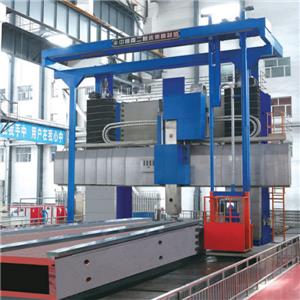
In sectors such as wind power, hydropower, mining machinery, marine engineering, construction machinery, and large-scale equipment manufacturing, components are becoming increasingly large, heavy, and difficult to machine. Parts such as wind turbine main bearing housings, generator rotor hubs, turbine runners, crusher bases, oversized gear blanks, marine diesel engine cylinder liners, and steering mechanism housings typically feature large diameters, immense weight, asymmetrical structures, high material strength, and significant interrupted cutting conditions. When machining such workpieces, conventional lathes or light-duty equipment often struggle with unstable clamping, spindle overhang, cutting vibrations, loss of precision, lifting risks, and low machining efficiency.
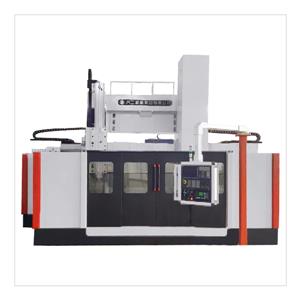
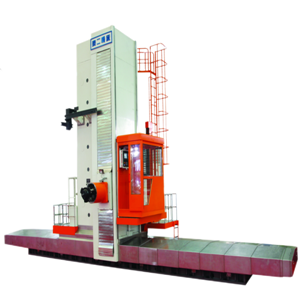
This is precisely where the value of CNC Large Vertical Lathe for Industrial Applications lies. Dalian Waji CNC Machine’s large vertical lathes are designed to machine large, ultra-heavy, asymmetrical, or oversized rotary components, emphasizing structural stability, powerful cutting capabilities, and sustained machining precision. For users searching for industrial-grade vertical lathes or CNC vertical turning solutions, the primary concern is not merely whether the machine can perform turning, but whether it can consistently deliver high-precision, high-efficiency machining under long-term, heavy-load operating conditions.
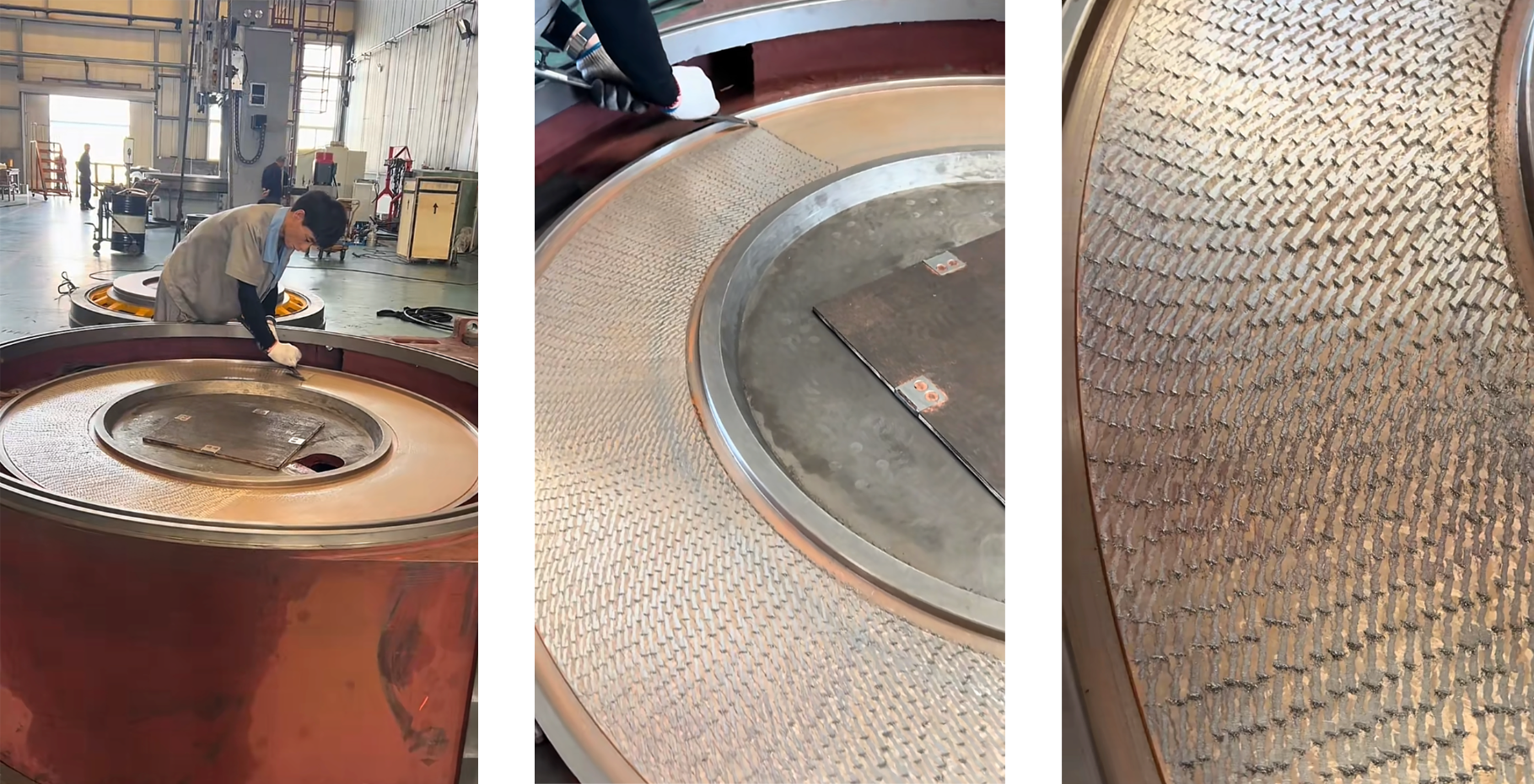
Industry Pain Point 1: Difficulty in clamping large workpieces; horizontal machining is prone to overhang and deformation.
The primary challenge with large rotary components is clamping. Workpieces can weigh several tons or more; in horizontal turning, the component is subjected to overhang stress caused by its own weight, making both the clamping and rotation processes more complex. This is particularly critical for asymmetrical parts, large thin-walled rings, or heavy gear blanks, where improper clamping can lead to deformation, vibration, and safety hazards. For end-users, any workpiece runout or clamping instability during machining not only compromises dimensional accuracy but can also result in tool damage, equipment downtime, or even safety accidents.
The core advantage of large vertical lathes lies in their utilization of gravity. With the workpiece resting flat on a horizontal table and the axis of rotation oriented vertically, gravity ensures natural contact between the workpiece and the table, thereby mitigating the overhang issues commonly encountered in horizontal machining. This configuration facilitates stable clamping for large-diameter, heavy workpieces and is better suited for high-torque, interrupted cutting operations. DALIAN WAJI’s product page highlights how vertical lathes reduce the need for heavy lifting and minimize safety risks—directly addressing the most pressing pain points for large-scale industrial clients.
Industry Pain Point 2: Heavy-duty cutting demands high structural rigidity and high torque output
Machining operations involving mining machinery, forged steel components, hard alloys, or large castings rarely involve light, continuous cutting; instead, they entail high-load, high-impact, and interrupted cutting processes. Insufficient machine rigidity leads to issues such as chatter marks, reduced tool life, and difficulty in rapidly removing machining stock. Given the high value of large workpieces and the significant costs associated with long machining cycles and clamping operations, customers prioritize completing as many processes as possible in a single setup while maintaining consistent machining accuracy.
Technical specifications on the product page indicate a model series comprising the CK578Fx H/W, CK5112Fx H/W, CK5116Fx H/W, and CK5120Fx H/W. These models offer maximum cutting diameters of φ800, φ1250, φ1600, and φ2000 mm; maximum workpiece capacities of 2t, 3.2/5t, 5/8t, and 8t; and maximum table torques of 3200, 10000, 20000, and 30000 N·m. These parameters enable buyers to quickly assess the equipment's suitability for their specific parts. High torque, powerful cutting forces, and a stable table are the key features distinguishing industrial-grade vertical lathes from standard equipment.
Industry Pain Point 3: Large parts require sustained accuracy, not just passing a short-term sample test
Customers in the heavy machining sector place a high premium on long-term accuracy. While producing a compliant sample immediately after installation is relatively straightforward, the true challenge lies in maintaining stable geometric accuracy throughout continuous production, heavy-load cutting, temperature fluctuations, and years of operation. Once the structure of a large machine tool suffers thermal deformation or significant guideway wear, the costs associated with subsequent compensation, repairs, and downtime are extremely high. Key selling points highlighted on the DALIAN WAJI webpage—such as ultra-stable structures, near-zero-error continuous cutting, heavy-duty drive systems, constant-pressure hydrostatic guideway technology (in high-end models), and thermally symmetrical, deformation-resistant designs—serve as compelling professional highlights for news content.
The value of hydrostatic guideways lies in their ability to minimize direct metal-to-metal contact between moving parts via a high-pressure oil film; this enhances stability during heavy-load rotation and ensures precision when machining large workpieces. Thermally symmetrical structures are designed to resist the thermal deformation caused by heavy cutting forces and prolonged operation. For manufacturers in the wind power, shipbuilding, and energy equipment sectors, precision stability is directly linked to assembly quality, operational lifespan, and project delivery risks.
Application Industries: Large vertical lathes serve critical foundational industries.
The DALIAN WAJI product page explicitly states that this equipment series serves sectors such as renewable energy and power infrastructure, heavy mining and construction machinery, and shipbuilding and marine engineering. Specific workpieces include wind turbine main bearing housings, generator rotor hubs, large hydro-turbine runners, rock crusher bases, extra-large gear blanks, excavator slewing bearings, ship propeller flanges, marine diesel engine cylinder liners, and large steering mechanism housings.
These applications share common characteristics: the parts are large and high-value, clamping is difficult, delivery schedules are tight, and the cost of machining failure is immense. Consequently, when customers search for "large vertical lathe" or "CNC vertical lathe machine" on Google, they usually have specific project requirements in mind. They want to verify whether the equipment can handle the weight, diameter, material, and cutting methods required for their target workpieces, and they look for suppliers who offer technical consultation, model selection advice, installation and training, and after-sales support.
Translating Product Specifications into Purchasing Confidence
Purchasing a large machine tool is not an impulse decision. Customers typically compare specifications such as maximum cutting diameter, maximum workpiece height, maximum load capacity, table diameter, spindle speed range, maximum torque, tool post travel, main motor power, CNC system, guideway type, support for closed-loop control, and the availability of chip removal and cooling systems. The DALIAN WAJI machine offers a choice of CNC systems—Siemens 828D, FANUC 0i-TF, or GSK 980TDI—and features linear guide rails. Optional configurations include full closed-loop control, semi-enclosed guarding, chip conveyors, coolant systems, and manual or hydraulic chucks.
For customers, these options mean the equipment can be tailored to specific production line requirements. Siemens and FANUC control systems facilitate training, maintenance, and spare parts sourcing for international clients; full closed-loop control meets high-precision demands; semi-enclosed guarding, chip removal, and coolant systems improve shop-floor management; and the choice of manual or hydraulic chucks accommodates various workpiece clamping needs. Marketing materials should translate these technical specifications into customer-focused language, helping procurement teams understand how each configuration impacts efficiency, precision, and safety.
Supply and Service Capabilities Are Equally Important
DALIAN WAJI is manufactured in Liaoning, China, and standard models are typically available for immediate delivery.
For industries such as energy, mining, shipbuilding, and heavy equipment manufacturing, a large vertical CNC lathe is more than just a piece of machining equipment—it is a core component of production capability. Through heavy-duty structural design, high-torque tables, a wide range of models, mainstream international CNC systems, optional closed-loop control, and comprehensive after-sales support, DALIAN WAJI CNC machine provide industrial-grade solutions for machining large rotary components.
Click here for the detailed product specifications: Specification details