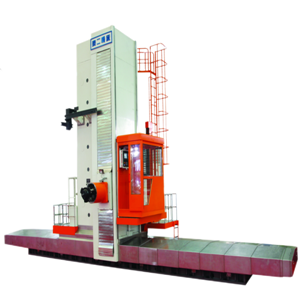
From Single-Process Machining to More Integrated CNC Production
In traditional CNC production, different machining tasks are often completed by different machines. One machine is responsible for a main process, after which the workpiece moves to another machine for the next operation.
Such a way of producing products is very widespread in the industry.
Provided that it is a simple type of machining and only machines are involved doing one operation each. With this approach the production is very effective so long as there are clear specifications to follow and standardized procedures to be used.
However, changes in machining requests may lead some companies to rethinking about a possible transition: Should they combine more machining activities on one machine and create more favorable working conditions?
This change does not simply mean asking one machine to handle every machining task. Rather, CNC production is gradually moving from relatively independent single-process machining toward more integrated machining capabilities and production methods.
1. Why Is Production Moving from Single-Process Machining Toward More Integrated Machining
Demands for machining parts have evolved to a much varied level.
Sometimes, the production target of simply-designed parts can be achieved with one major machining operation. In contrast, even one single complicated part requires several machines to be operated on it in succession before the part is completed.
Whenever the same machining work is completed with a single machine and different machines are tasked separately to the other tasks, a separation of operations occurs during the production process.
As a result, manufacturers are paying attention not only to the machining capabilities of individual machines, but also to how different machining capabilities can be combined more appropriately.
This does not mean that traditional single-process machining is being replaced. Instead, it shows that the way machining tasks and capabilities are organized is changing.
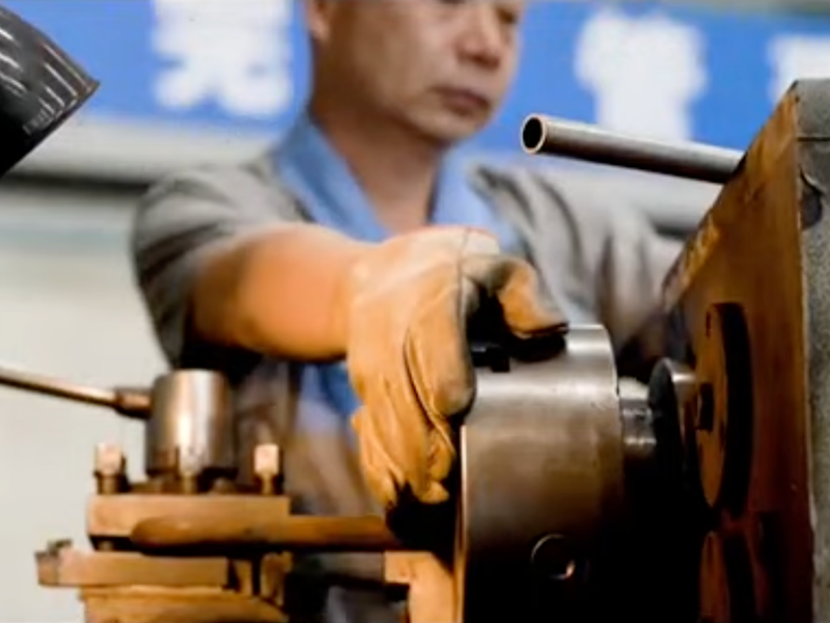
2. From Multiple Independent Processes to a More Reasonable Integration of Machining Operations
As a result of continuous development in CNC machine functions and equipment setup, certain machines can perform additional machining tasks related to their primary function depending on the machine configuration. Consequently, this opens the possibility for manufacturers to take another look at what different machining tasks they could possibly combine.
· Multiple Machining Operations
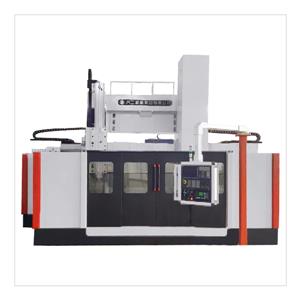
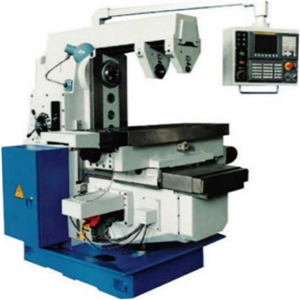
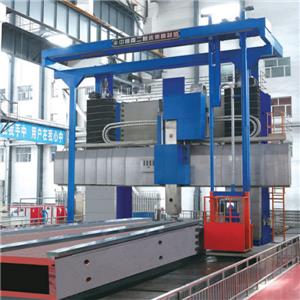
For workpieces with more demanding machining requirements, a machine such as a CNC Milling and Boring Machine with the appropriate configuration may undertake several related machining operations, allowing previously separated machining tasks to be organized in a more reasonable way.
· Completing More Machining Operations in One Setup
For suitable workpieces and machining tasks, completing more related operations in a single setup with equipment such as a CNC Milling and Boring Machine is also one direction in the development of CNC production.
This does not mean trying to complete “all processes in one setup.” Instead, where actual conditions allow, related machining operations can be performed in a more concentrated manner.
· Reasonable Integration of Machining Capabilities
Integrated machining does not mean that a machine with more functions is always better.
For manufacturers, what matters more is whether the machining capabilities provided by the machine can form a reasonable combination with the actual workpiece and production requirements.
Bottom line is, changing the production method of single-process machining to more integrated CNC is not a matter simply of adding more machine functions but rather it involves the reevaluation of the potential way different machining operations can be integrated according to a specific set of real production tasks.
3. Integrated Machining Does Not Mean “One Machine Completes Every Process”
When discussing the integration of CNC production, one common misunderstanding is that a higher level of integration means all machining tasks should be concentrated on one machine.
In practice, this is not necessarily the case.
Different workpieces have different structures, machining requirements, and production methods. Some machining operations may be suitable for integration, while others may still need to be completed separately on different machines.
Therefore, integrated machining is not simply about reducing the number of machines. The more important questions are: Which machining operations are suitable for integration? Which processes still need to be completed independently?
For manufacturers, this way of thinking is more practical than simply pursuing the ability to complete more processes on a single machine.
From this perspective, the development of CNC production is not simply a shift from “multiple machines” to “one machine.” It is a move from relatively independent machining operations toward a more reasonable combination of machining capabilities.
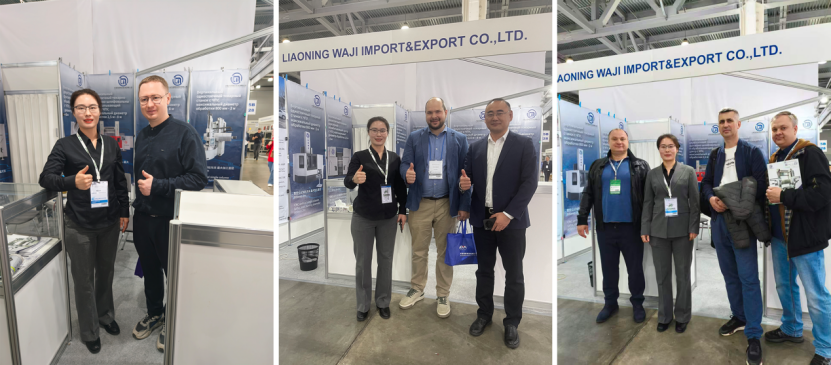
4. Machine Tool Manufacturers Are Also Developing Alongside Changing Production Requirements
Changes to CNC production techniques impact the business strategies and innovation direction of machine tool manufacturers.
Users’ machining needs are changing all the time, and this means that the machine tool manufacturers have to produce a range of machines of different types and versions, including such equipment as a CNC Milling and Boring Machine, to be able to respond to various production requirements.
Dalian Waji, for example, was established in 2003, building on existing machine tool manufacturing technology and accumulated expertise. The company inherited more than half a century of machine tool manufacturing technology and talent experience and has continued to develop different types of CNC machine tools.
Today, Dalian Waji has developed more than 10 types of CNC machine tools to address different machining requirements, with technological innovation, modularization, and multifunctional development among its product development directions.
Viewing things from the angle of machine tool innovation over a longer timeframe, this change is also a sign of an overall shift that is happening: machine tools are not just tools for one specific type of mechanical machining anymore. On the contrary, in order to be able to meet the new requirements of the manufacturing industry, machine tools have to offer greater machining flexibility.
Conclusion
The move from single-process machining toward more integrated CNC production does not mean that traditional machining methods have lost their value, nor does it mean that all machining operations should be concentrated on one machine.
What is changing is the way manufacturers think about the organization of machining capabilities.
For production tasks with increasingly complex machining requirements, multiple machining capabilities, suitable one-setup machining, and more appropriate machine configurations may all become factors to consider when adjusting production methods.
The future of CNC production is not necessarily about making one machine perform more tasks. Instead, it is about creating a more appropriate match between the machining capabilities of the equipment and actual production requirements.
If you are considering a more integrated approach to CNC machining, feel free to contact us and share your workpiece and production requirements. Dalian Waji can discuss a suitable equipment solution with you based on your actual application.