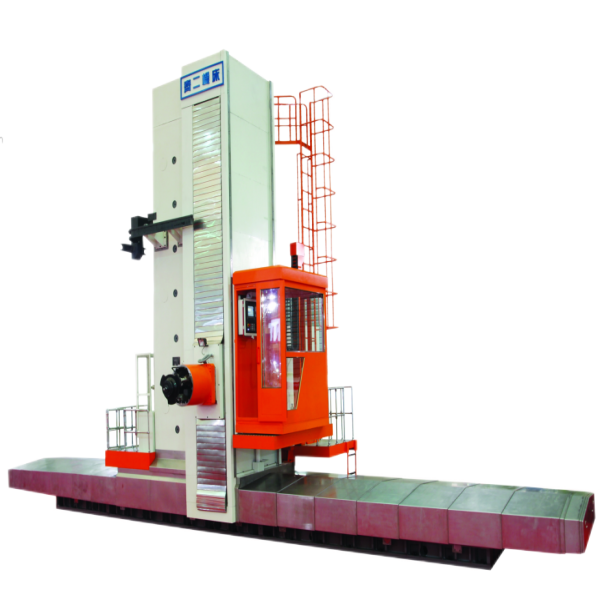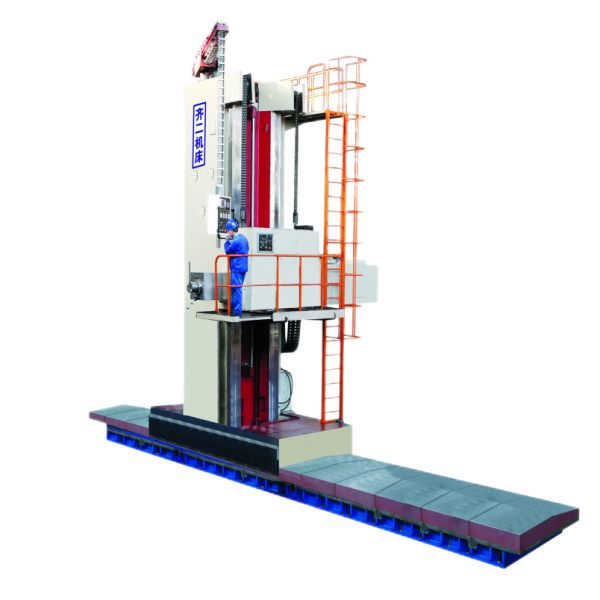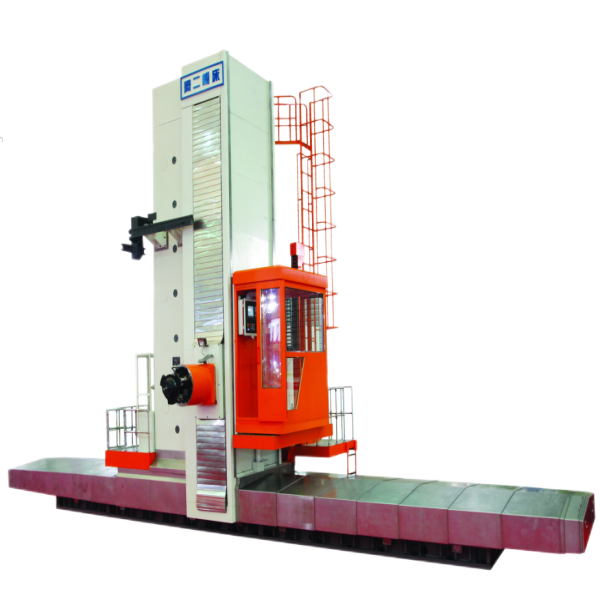
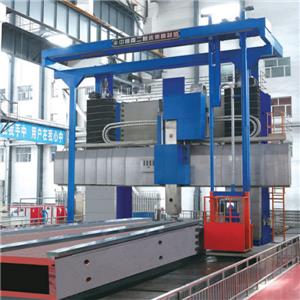
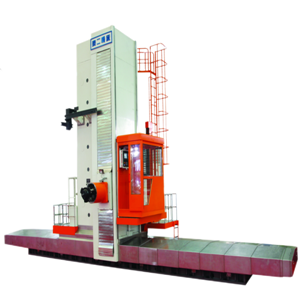


T69 Series CNC Floor Type Milling And Boring Machine
Brand DALIAN WAJI CNC MACHINE
Product origin CHINA LIAONING
Delivery time Depending on the specific order, pre-production investment has been made
Supply capacity Depending on the specific order
1. This CNC Milling and Boring Machine is suited for handling large, irregularly shaped workpieces and offers a wide variety of applications.
2. The CNC Boring Mill has high-precision drive components so movement of the traveling column during the machining is kept to a minimum and only a few adjustments will be necessary in between.
3. Our top-notch engineers have worked for so many years and thus they can give proper guidance on the right lathe setup depending on what you are working with.
What Is a T69 Floor Type Milling And Boring Machine?
A floor type milling and boring machine is different from a conventional machining center mainly because of the way the machine accommodates large and irregular workpieces.
In a lot of machining scenarios, the physical workpiece is often too big, too heavy or too long to be continually relocated to different tools. The floor type layout makes it possible for the machine to remain stationary at all times with only the column, headstock, ram and spindle unit that would have the freedom to reach to and from the machine part wherever necessary.
This type of setup is especially beneficial if a workpiece is to be machined on multiple different sides or if the two machining processes like milling and boring are to be carried out based on the same reference point of machining.
One more feature of T69 Series is that it has both milling and boring as main machining processes, and drilling along with other machining operations as well. Once the workpiece is accurately held and aligned, multiple operations can be performed without having to transfer it to a different machine.

This matters more than it may seem.
For a small component, moving from one machine to another may take only a few minutes. For a large metal component, the process can involve a crane, lifting fixtures, operators, alignment equipment, measurement and a second round of setup work.
Reducing these transfers can therefore improve both production efficiency and process consistency.
Traveling Column Structure for Flexible Large-Part Machining
The T69 series uses a traveling-column machining arrangement.
Rather than moving the whole workpiece through the machining area it is the machine structure that is going to be moving in the working direction. The benefit of this method is evident when dealing with long workpieces because you can set up the machine length available within the machining operation to match the column travel.
The latest range features a column travel of T6913D being only 4,000 mm while the T6926 one is at 10,000 mm with even farther travel options available depending the configuration.
This feature enables manufacturers to be more flexible when handling workpieces with large differences in length.
To illustrate, one company would have the machine bases of various kinds or housings of a width and height that are relatively similar whereas the length could change between different orders. In other words, a travel column setup lets the machining unit to get a larger working area while the workpiece is kept the same throughout different machining areas without necessitating to reposition it every time.
Naturally speaking, this doesn't just give you a bigger machine footprint but it's about the workpiece being able to stay in a steady setup during the machining process of the head as it goes through different areas of a component.
High-Precision Transmission Components
Machining accuracy depends on more than the CNC controller or spindle alone.
The transmission system, guideways, machine structure, thermal behavior and overall rigidity all influence how accurately the machine can position the cutting tool.
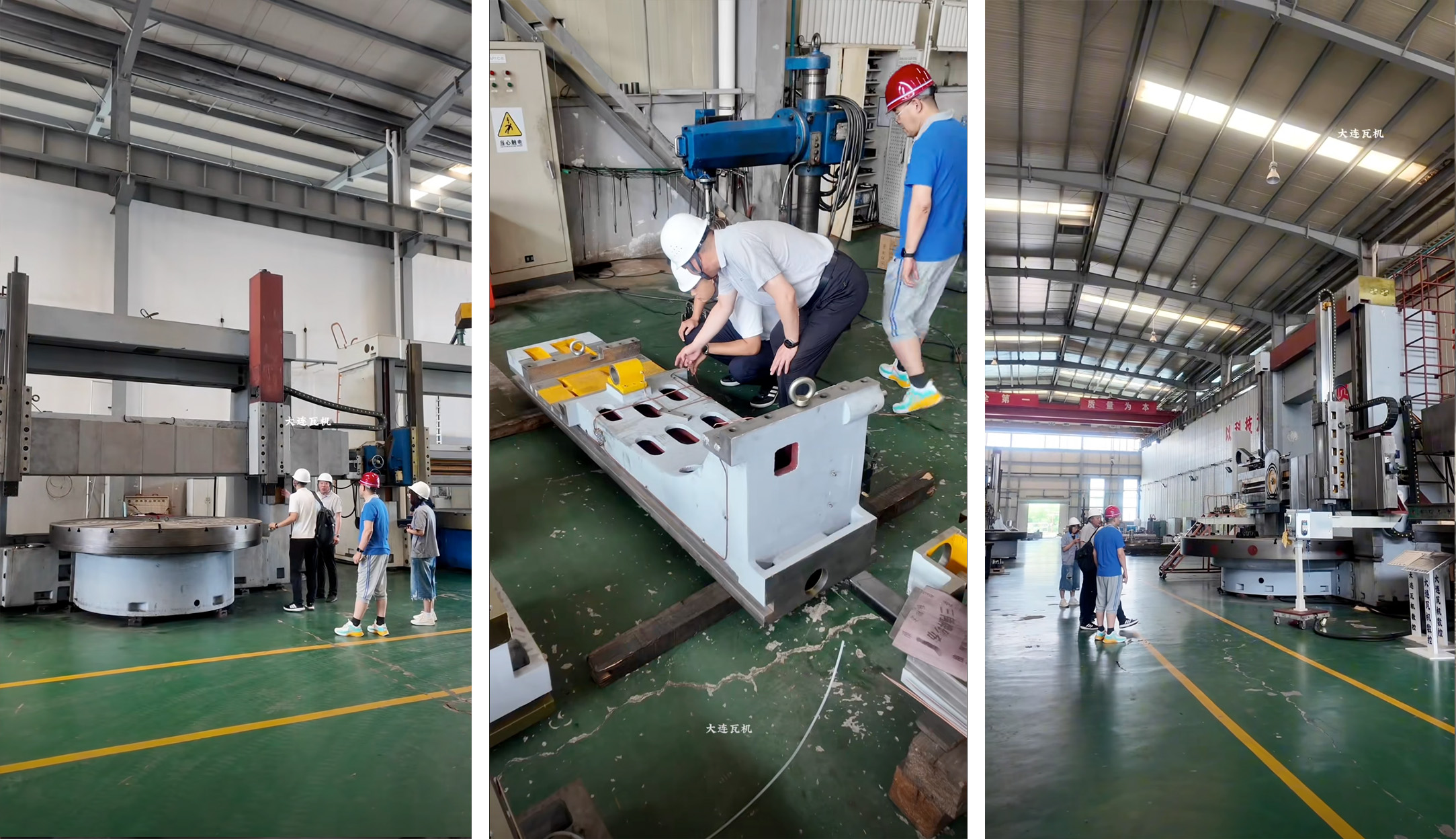
Ball screws of extremely high precision along with linear guide components form part of the drive mechanism of the T69 series. Apart from ensuring rigidness, the machine design also focuses on the ability of the travelling column to perform smoothly during cutting operations, by preventing vibrations from affecting it.
For buyers evaluating a floor type milling and boring machine, this part of the machine should not be overlooked.
A large machine may have long travel distances, but long travel also means that the transmission system must remain consistent across the entire working range.
For this reason, the relationship between:
guideway design,
ball screw transmission,
column movement,
ram movement,
spindle positioning,
structural rigidity
is more important than looking at any single specification in isolation.